
Sci & Tech
Ex-Twitter Executive Turned Whistleblower Exposes Platform’s Five Grave Security Failures

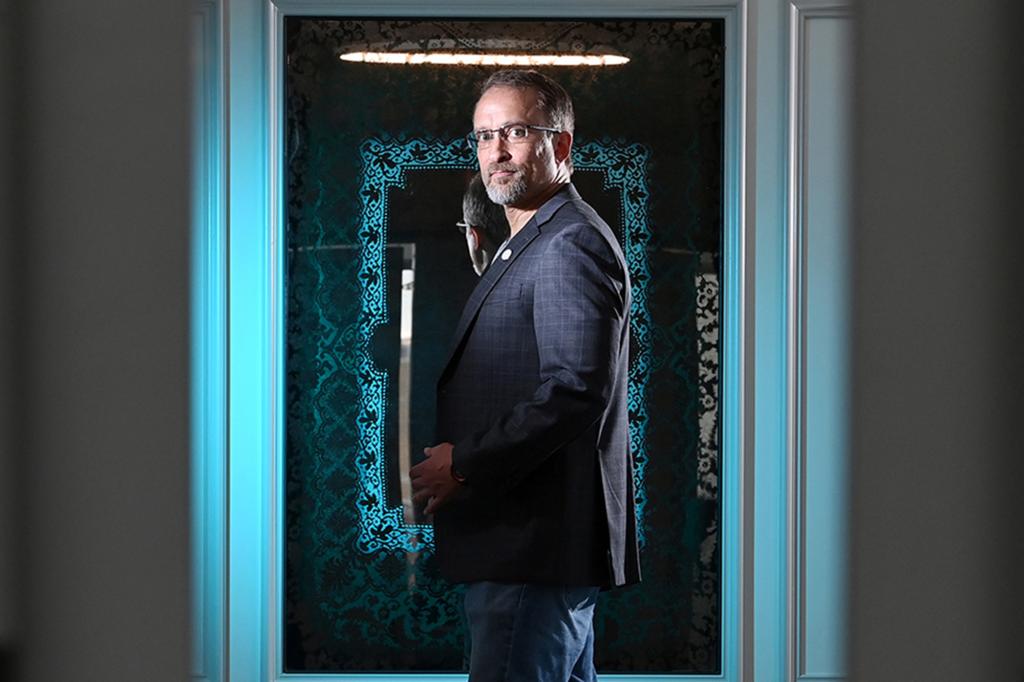
Startling new revelations from Twitter’s former head of security, Peiter Zatko, have raised serious new questions about the security of the platform’s service, its ability to identify and remove fake accounts, and the truthfulness of its statements to users, shareholders and federal regulators.
Zatko – better known by his hacker handle “Mudge” – is a respected cybersecurity expert who first gained prominence in the 1990s and later worked in senior positions at the Pentagon’s Defense Advanced Research Agency and Google.
Twitter fired him from the security job early this year for what the company called “ineffective leadership and poor performance”. Zatko’s attorneys say that claim is false.
In a whistleblower complaint made public on Tuesday, Zatko documented his uphill 14-month effort to bolster Twitter security, boost the reliability of its service, repel intrusions by agents of foreign governments and both measure and take action against fake “bot” accounts that spammed the platform.
In a statement, Twitter called Zatko’s description of events “a false narrative”.
Here are five takeaways from that whistleblower complaint.
Security and privacy systems grossly inadequate
In 2011, Twitter settled a Federal Trade Commission investigation into its privacy practices by agreeing to put stronger data security protections in place. Zatko’s complaint charges that Twitter’s problems grew worse over time instead.
For instance, the complaint states, Twitter’s internal systems allowed far too many employees access to personal user data they didn’t need for their jobs – a situation ripe for abuse.
For years, Twitter also continued to mine user data such as phone numbers and email addresses – intended only for security purposes – for ad targeting and marketing campaigns, according to the complaint.
Entire service could have collapsed irreparably under stress
One of the most striking revelations in Zatko’s complaint is the claim that Twitter’s internal data systems were so ramshackle – and the company’s contingency plans so insufficient – that any widespread crash or unplanned shutdown could have tanked the entire platform.
The concern was that a “cascading” data-centre failure could quickly spread across Twitter’s fragile information systems.
As the complaint put it: “That meant that if all the centres went offline simultaneously, even briefly, Twitter was unsure if they could bring the service back up. Downtime estimates ranged from weeks of round-the-clock work, to permanent irreparable failure.”
Twitter misled regulators, investors and musk about fake ‘spam’ bots
In essence, Zatko’s complaint states that Tesla CEO Elon Musk – whose $44 billion (Sh5.2 trillion) bid to acquire Twitter is headed for October trial in a Delaware court – is correct when he charges that Twitter executives have little incentive to accurately measure the prevalence of fake accounts on the system.
The complaint charges that the company’s executive leadership practiced “deliberate ignorance” on the subject of these so-called spam bots.
“Senior management had no appetite to properly measure the prevalence of bot accounts,” the complaint states, adding that executives were concerned that accurate bot measurements would harm Twitter’s “image and valuation.”
Twitter could have been at the mercy of disgruntled employees
Zatko’s complaint states that as a mob assembled in front of the US Capitol on January 6, 2021, eventually storming the building, he began to worry that employees sympathetic to the rioters might try to sabotage Twitter.
That concern spiked when he learned it was “impossible” to protect the platform’s core systems from a hypothetical rogue or disgruntled engineer aiming to wreak havoc.
“There were no logs, nobody knew where data lived or whether it was critical, and all engineers had some form of critical access” to Twitter’s core functions, the complaint states.
A playground for foreign governments
The Zatko complaint also highlights Twitter’s difficulty in identifying – much less resisting – the presence of foreign agents on its service. In one instance, the complaint alleges, the Indian government required Twitter to hire specific individuals alleged to be spies, and who would have had significant access to sensitive data thanks to Twitter’s own lax security controls.
The complaint also alleges a murkier situation involving taking money from unidentified “Chinese entities” that then could access data that might endanger Twitter users in China.
Kenya Insights allows guest blogging, if you want to be published on Kenya’s most authoritative and accurate blog, have an expose, news TIPS, story angles, human interest stories, drop us an email on [email protected] or via Telegram


Njuca Consolidated, Three Firms Faces Auction of 65 Properties Over Crippled Cash Flow

Why Absa Bank Is On The Spot For Enabling Sh150 Million Alleged Insider Fraud In Vetlab Club

Somalia’s Disputed President Allegedly Siphons Up to $6 Million Monthly from Kenyan Miraa Trade, Sharing the Spoils with Nairobi’s Shadow Cartels

Ahmed Adan Hefow: Governor Otuoma’s Trusted Right-Hand Man at the Centre of Busia’s Deepening Finance Scandal

Karua Detained at Entebbe as Uganda Blocks Besigye Lawyer From Entering Country

How KCB and Airtel Turned Kenya’s Unbanked Into a Data Goldmine Behind a ‘Financial Inclusion’ Deal

The Chivayo Network: How a Convicted Fraudster Won Access to Presidents, Passports and Billion-Dollar Deals Across Africa

BURRIED TWICE: The Victoria Bank CEO Yogesh Pattni Files

Court Stops Transfer Of EABL Shares To Asahi By Diageo In A Fresh Snag

Death Before Justice: Stephen Ngei, Victim of Sh180 Million Laptop Tender Scam Linked to Allan Chesang, Killed in Highway Crash

Businessman Philip Waithaka Kinuthia’s Minor Son Allegedly Drove Drunk, Killed Two Peponi Students in Ngong Road Horror Crash as Claims of Cover-Up Intensify

Inside NCBA’s Decline: How a Banking Giant Lost Its Strategic Edge

Cement, Cash and Courts: How the Hashu Dynasty Crushed the Ramji Brothers for Fourteen Years and Why the Walls Are Now Closing In

South Sudan: Adut Salva Kiir’s Shadow Treasury Exposed

Standard Chartered Ghosts Haunt Joshua Oigara At Stanbic As Whistleblower Spills Beans

Inside The Urban Planning Cartel That Owns Nairobi

THE VULTURE AND THE SCHEME How Nairobi West Hospital Became the Most Dangerous Institution in Kenya’s SHA Ecosystem and Why the Books Must Be Audited Now

The President’s Daughter and The Missing Witness: How Adut Salva Kiir’s Shadow Treasury Silenced Its Most Dangerous Critic

How Adil Popat Saved His Empire On The Eve Of Imperial Bank Collapse and Why Kenya’s Mainstream Media Buried The Story

Why John Ngumi Is Running From the EACC and Why the Sh415 Million Payday May Be the Least of His Worries
-
 News1 week ago
Businessman Philip Waithaka Kinuthia’s Minor Son Allegedly Drove Drunk, Killed Two Peponi Students in Ngong Road Horror Crash as Claims of Cover-Up Intensify
-
 Business2 weeks ago
Inside NCBA’s Decline: How a Banking Giant Lost Its Strategic Edge
-
 Africa2 weeks ago
South Sudan: Adut Salva Kiir’s Shadow Treasury Exposed
-
 Business2 weeks ago
Standard Chartered Ghosts Haunt Joshua Oigara At Stanbic As Whistleblower Spills Beans
-
 Investigations4 days ago
THE VULTURE AND THE SCHEME How Nairobi West Hospital Became the Most Dangerous Institution in Kenya’s SHA Ecosystem and Why the Books Must Be Audited Now
-
 Africa2 weeks ago
The President’s Daughter and The Missing Witness: How Adut Salva Kiir’s Shadow Treasury Silenced Its Most Dangerous Critic
-
 Business2 weeks ago
How Adil Popat Saved His Empire On The Eve Of Imperial Bank Collapse and Why Kenya’s Mainstream Media Buried The Story
-
 Business2 weeks ago
Why John Ngumi Is Running From the EACC and Why the Sh415 Million Payday May Be the Least of His Worries