
Development
Cabinet Approves Implementation Of Treasury Single Account TSA For National And County Governments

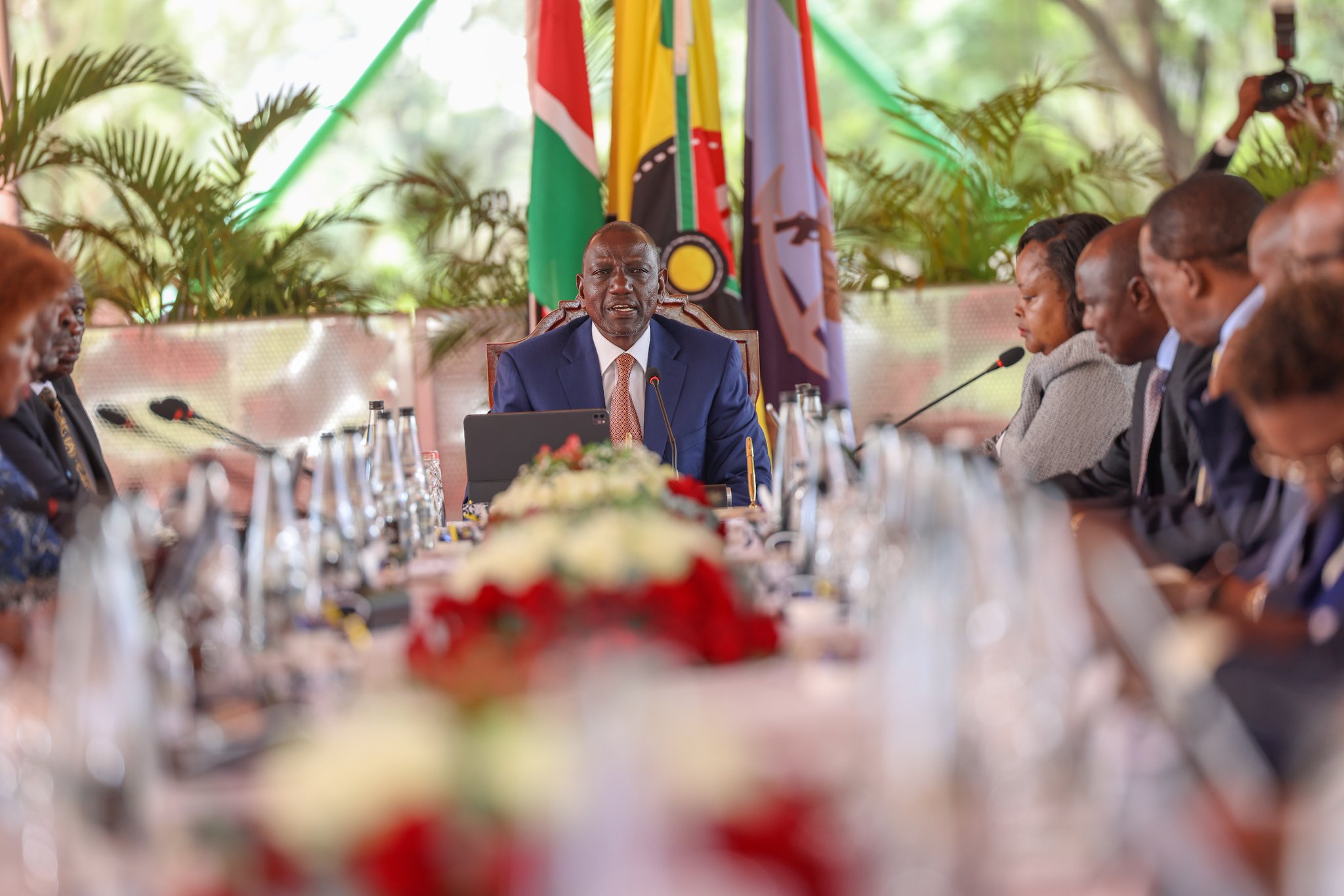
The Cabinet has approved the implementation of the Treasury Single Account (TSA) for National and county governments in a bid to enhance public finance management.
During a cabinet meeting chaired by President William Ruto at State House Nairobi today, the Cabinet underscored the importance of the TSA in simplifying government banking, creating visibility of government cash resources and increasing transparency in government cash management.
Additionally, the new system will help control expenditure and minimise fragmentation of government accounts in commercial banks.
The structure of the TSA will include the National Exchequer Account, the TSA Sub-Account and the County Revenue Fund.
“Government funds are banked in commercial bank accounts and individuals keep earning interest. This must stop. All the benefits of public funds must only accrue to the people of Kenya and no one else,” said President Ruto.
The Cabinet has also approved the implementation of the Electronic Government Procurement (e-GP) in both the National and county governments.
The move aims to enhance fairness, equity, transparency, competitiveness and cost-effective public procurement, potentially reducing costs by between 10 and 15 per cent, saving the government KSh90 billion yearly in public procurement expenditure.
The e-GP system is set to drive the Bottom-Up Economic Transformation Agenda, promoting sustainable and inclusive economic growth through the digitisation and automation of public procurement and asset disposal processes.
The Cabinet’s decision to implement electronic procurement is rooted in the understanding that digital transformation is essential for transparency, accountability and the establishment of an open marketplace for procurement agencies.
Electronic procurement will benefit the government, suppliers and the public through transparent information flow on expenditure.
Also given the go-ahead in Cabinet today are Public-Private Partnership Regulations whose aim is to improve the structure and performance of PPP projects. This move is crucial in creating a stable environment for public and private entities involved in PPPs and fostering a robust investment environment.
The regulations provide clear guidelines for planning, procurement, management and monitoring PPP projects, aligning with the Bottom-Up Economic Transformation agenda and incorporating environmental and climate change principles. The regulations will now be taken to Parliament for approval.
To fortify Kenya as a regional logistics hub, the Cabinet approved the Railway Amendment Bill 2024 that aims at initiating new ways of running railways and separating the business of freight, commuter and land development.
Kenya Railways is a big landowner in Kenya and most of the land is lying idle. This will be used to develop railway cities as is happening in Nairobi and will be extended to other major towns. The Bill proposes that the private sector, investors and even county governments run the railway cities. In such cases, Kenya Railways will become a regulator.
To address climate change challenges, the Cabinet approved Kenya’s Sovereign Green Bond Framework which seeks to secure alternative funding options for green and resilient investments amid rising climate change costs.
The Green Bond Framework is a financial instrument to raise funds for climate action, promoting a nexus between climate initiatives and economic development. The Cabinet recognises the potential of green bonds in mobilising resources for climate-resilient infrastructure, food and water security, and the deployment of green technologies.
The Cabinet also approved the draft Kenya Social Protection Policy 2023 which aims at cushioning the poor and vulnerable from socio-economic challenges. This policy aligns with constitutional mandates and national development goals, emphasising the importance of social protection in poverty alleviation and inclusive growth.
Other agenda approved by Cabinet were the Recognition of Prior Learning Policy, Establishment of the African Legal Support Facility and the Memorandum to Join the Asian Infrastructure Investment Bank.- PCS.
Kenya Insights allows guest blogging, if you want to be published on Kenya’s most authoritative and accurate blog, have an expose, news TIPS, story angles, human interest stories, drop us an email on [email protected] or via Telegram


The Teflon Company: How Gulf Energy’s Insiders Built Billions on Kenya’s Fuel, and Walked Away Clean

Inside Details Of Sh78 Billion Fraud in KPC’s Mombasa-Nairobi Line 5 Pipeline Project That Has Continued To Bleed The Country

Details Of The Precise Rescue Of Elite US Troops From Iranian Territory

The Fuel Deal That Exposed Wandayi’s Lies As Pressure Mounts For His Resignation

Who Architected the Ksh 4.8 Billion Fuel Scandal? Two CSs Now Caught in the Storm

THE ZAKHEM-ECOBANK MACHINE: How Kenya’s Courts Were Weaponised to Drain a State Corporation of Over KES 78 Billion

Poison at the Pump: How Kenya’s Fuel Marking System May Be Exposing Millions to Cancer-Causing Chemicals

Inside Nyayo House: The Kitchen Cartel That Demands Sh100,000 for a Stove

JSC Rot: “Why I Paid Over Sh4 Million for a High Court Slot” — Explosive Claims by ‘Incoming Judge’

Fly 748 Is Back And Flies You To Mombasa From Just Sh6,500

Tuju Forcefully Removed From His Karen Property With Masked Officers In Unmarked Vehicles In Early Morning Raid

Named: Havi Says Mutava Confessed He Was Collecting The Bribe For Lady Justice Josephine Mongare, So Why Is JSC Still Silence?

How Little-Known Pesa Print, Linked to State House Tycoons, Won NTSA Tender Worth Sh42 Billion in Traffic Fines

The Man With The Golden Pen: How NLC’s Joel Ombati Is Accused Of Masterminding Kenya’s Biggest Infrastructure Land Heist

‘They Will Eat You Alive’: Retired Teacher Warns Against Bashy African Credit as Sh500,000 Loan Spirals Into Sh1.5 Million Fight

THE HANDSHAKE THAT BECAME A NOOSE: How Tuju’s Alleged Intimate Access to EADB’s Yeda Apopo Produced a Sh294 Million Deal With No Written Contract, and Why That Trust Destroyed an Empire

Forged Legacy: How Kaplan and Stratton’s Peter Gachuhi Is Accused of Faking a Top AG’s Will as State Claims Damning Evidence

Waweru’s Bank Pockets Sh1.16 Billion from KPC IPO While Ordinary Kenyans Fled the Sale

Men Linked to Akasha Drug Dynasty Charged With Death Threats and Assault at Nairobi Nightclub

How Firm Linked To Mombasa Tycoon Jaffer Was Allowed To Import Fuel At Bloated Price And Set To Make Billions In Profits From Iranian War Crisis In Kenya
-
 Business2 weeks ago
THE HANDSHAKE THAT BECAME A NOOSE: How Tuju’s Alleged Intimate Access to EADB’s Yeda Apopo Produced a Sh294 Million Deal With No Written Contract, and Why That Trust Destroyed an Empire
-
 Investigations7 days ago
Forged Legacy: How Kaplan and Stratton’s Peter Gachuhi Is Accused of Faking a Top AG’s Will as State Claims Damning Evidence
-
 News2 weeks ago
Men Linked to Akasha Drug Dynasty Charged With Death Threats and Assault at Nairobi Nightclub
-
 Business6 days ago
How Firm Linked To Mombasa Tycoon Jaffer Was Allowed To Import Fuel At Bloated Price And Set To Make Billions In Profits From Iranian War Crisis In Kenya
-

 News2 weeks ago
City Lawyer Kimani Wachira Caught Up In Bribery Web Fights Claims
-

 News6 days ago
Treasury Hands Sh358M Brief to Eric Gumbo’s Firm While Bypassing Standard Rules — and the Lawyer Is Already Deep Inside Ruto’s State Machine
-
 Business6 days ago
Sold And Abandoned: How Diageo and Asahi Are Locking Kenya’s EABL Minority Shareholders Out Of East Africa’s Biggest Corporate Heist
-
 Business7 days ago
THE BANK THAT BROKE THE TRUCKER: How NCBA’s Asset Financing Empire Is on Trial Before London’s Most Feared Arbitral Tribunal