
Investigations
Revealed: The Cash Packages Russian Recruiters Use To Lure Kenyans Into Joining Ukrainian War
A confidential government brief has laid bare the staggering sums being dangled before desperate Kenyans to join Russia’s military machine in Ukraine, as the number of recruits climbs past 200 and families bury sons they may never find.

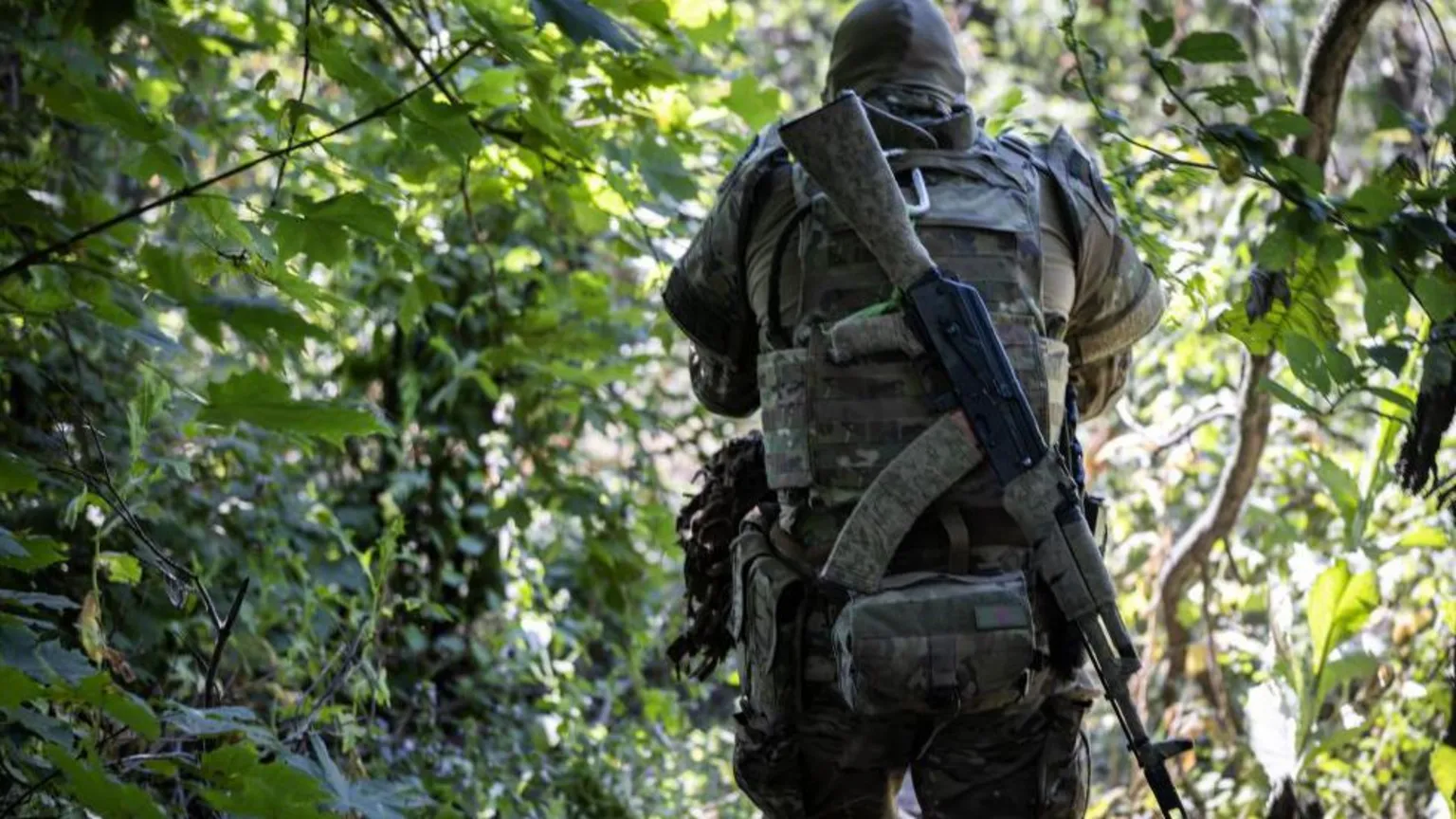
The offer sounds almost too good to refuse. Sign a military contract with Russia, and within three weeks you will have Sh4.4 million in your bank account, an amount that would take years to accumulate on a Kenyan salary. Stay alive for a month, and you pocket another Sh540,000. Die, and your family collects Sh24 million.
This is the financial architecture of Russia’s recruitment machine, exposed in chilling detail in a confidential brief by Foreign Affairs Cabinet Secretary Musalia Mudavadi dated February 9, 2026, a document that has sent alarm bells ringing through government corridors and the homes of grieving Kenyan families alike.
The figures are breathtaking by any local standard. An initial signing bonus of approximately 2.6 million rubles, equivalent to Sh4.4 million, is wired to recruits within three weeks of putting pen to paper. Monthly pay stands at around 320,000 rubles, or Sh540,014. For injury, the contract promises 3 million rubles, about Sh5 million. For death, 14 million rubles, or Sh24 million, is pledged to next of kin.
But as the coffins multiply and families are told their sons lie in unmarked mass graves on the Ukrainian front line, those promised millions are looking more and more like a cruel fiction.
‘Sign Here, Then Die’: The Recruitment Pipeline
As of January 23, 2026, the Kenyan embassy in Moscow had identified 95 Kenyans directly involved in the Russian military operation. Of these, 27 had been repatriated, eight were reported missing or confirmed dead, 33 were newly signed conscripts, and 27 remained of unknown status. The government’s own conservative estimate, however, puts the total number of Kenyans potentially recruited at over 200, with the real figure feared to be higher.
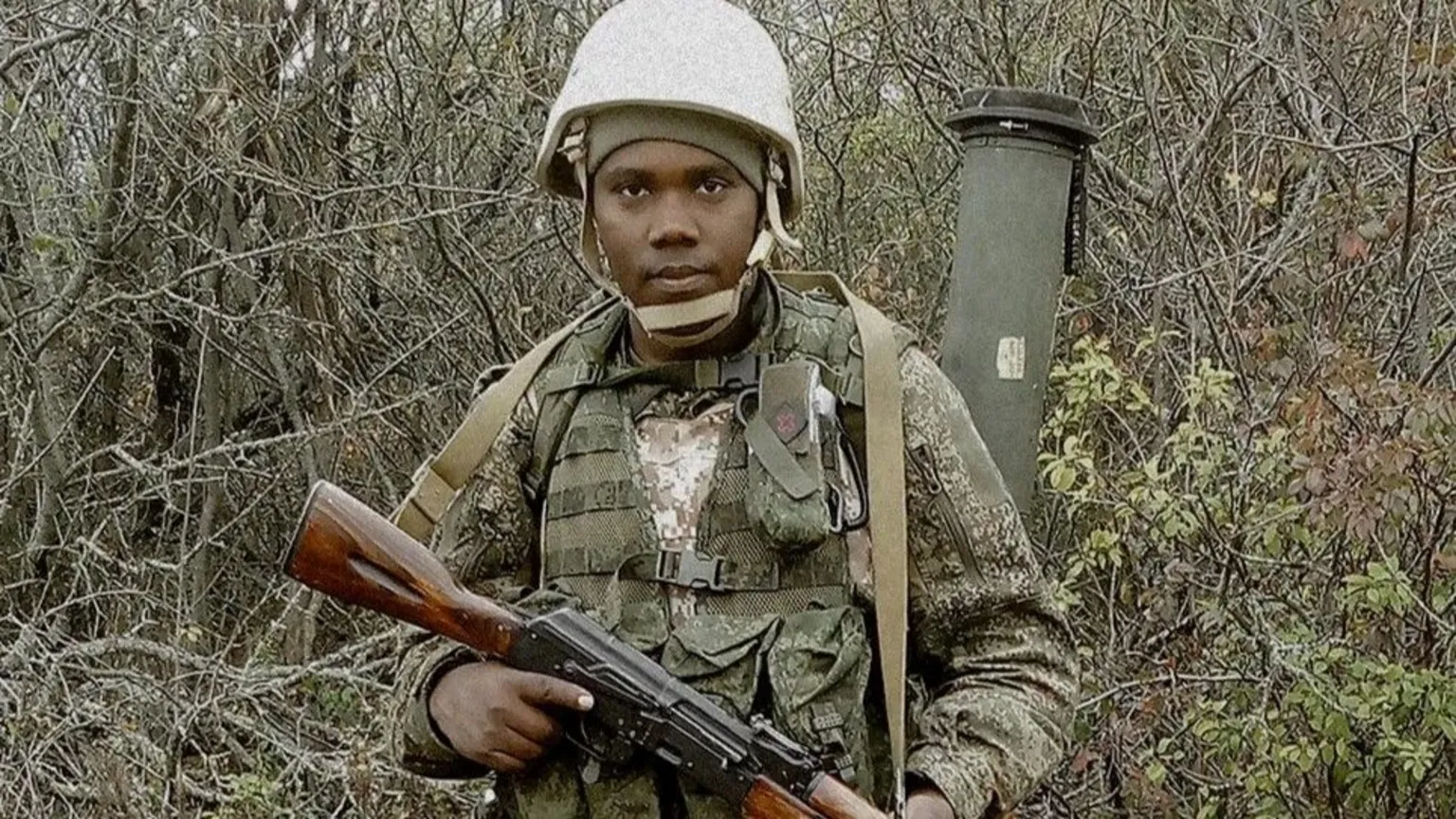
Clinton Mogesa, 29, died while fighting for Russia
The recruitment does not happen in back alleys. According to the Mudavadi brief, it is sophisticated, deliberate, and in many cases, alarmingly close to home. Recruitment networks operate both inside Kenya and within Russia itself. When recruits land in Russia, local contacts are waiting for them at airports. These handlers organise accommodation, transfer them to designated holding facilities, and shepherd them through contract signing in Russian, a language most of them cannot read.
Bank accounts are opened for them in Russian rubles to receive payments. The men are, in effect, processed like cargo before being loaded onto the front line.
An AFP investigation published in early February 2026 told the story of four Kenyan men with no military background whatsoever who were handed weapons and sent into battle. One had expected to work as a salesman. Two thought they were being employed as security guards. A fourth had been told he was travelling to Russia as a high-level athlete.
Junior Foreign Affairs minister Korir Sing’oei described these men plainly: “These individuals are used as cannon fodder on the war front.”
Former Soldiers, Desperate Men and a Dangerous Grey Zone
The picture, however, is not entirely one of innocent victims. The Mudavadi brief makes a pointed observation that complicates the narrative: some of the newest recruits appear to be former members of Kenyan security forces, including the Kenya Defence Forces, the National Youth Service, and the Prisons Service, who signed contracts with full knowledge of what they were getting into.
Investigative material reviewed by Kenyan media outlet the Daily Nation found video recordings of applicants openly marketing their military and police training as qualifications for combat service in Russia. Some were former police officers, others ex-soldiers. The identities of those coordinating local recruitment remain murky, but their methods are documented: WhatsApp groups, social media pages, and a website called ‘Fight for Russia’, launched in January 2025, which offered an online application form for any foreigner willing to join the war on Russia’s side.
More disturbingly, the brief reveals a pattern of what might be called “bonus fraud”: some recruits reportedly plan from the outset to pocket the initial signing payment and then desert, seeking the Kenyan embassy’s help to flee Russia.
“This trend presents reputational and diplomatic risks, as the Mission could be perceived as facilitating actions that may be interpreted by the host authorities as fraudulent or in bad faith,” Mudavadi’s brief warns bluntly.
Mass Graves and Missing Sons: The Human Cost
The dead are not coming home. Returnees have told the Kenyan embassy that those killed in action are buried in mass graves with, as the brief puts it, “minimal chance of retrace.” Families who have been waiting months for news of their sons and husbands may never get a definitive answer.
Eight Kenyans have been reported missing or confirmed dead. The fate of another 27 is entirely unknown. At least four Kenyans are being held as prisoners of war in Ukrainian custody, their cases being pursued through Kenya’s mission in Vienna, which is accredited to Ukraine. Ukrainian authorities have separately confirmed the deaths of three Kenyans near the frontline in eastern Ukraine.
Kenyan soldiers have been located across the vast Russian military theatre: in Belgorod near the Ukrainian border, at the Wagner Group’s military base in Istra, 80 kilometres from Moscow, in Saint Petersburg, 700 kilometres to the north, and in Rostov-on-Don, a city a full 1,000 kilometres from the capital.
Clinton Nyapara Mogesa, 29, is among those confirmed dead. His face has become one of the public images of this crisis, a young Kenyan whose final chapter was written in a trench in eastern Europe.
Nairobi Scrambles as Moscow Stays Silent
The Kenyan government has formally asked Russia to place Kenya on what it calls a “military recruitment stop list,” a request that has so far yielded no public response from Moscow. Mudavadi has confirmed plans to travel to Russia for high-level talks, which are expected to address the status of hospitalised Kenyans, the release of those held as prisoners of war, and the framework for a potential Bilateral Labour Agreement designed to create legal, safe employment pathways to Russia.
“The high-level engagements will include negotiations for the unconditional release of all Kenyans recruited into the Russian army,” Mudavadi said. “This should pave the way for the establishment of a Bilateral Labour Agreement with Russia, which will ensure access to legal, genuine, dignified and safe job opportunities in Russia.”
In the meantime, the government has shut down over 600 non-compliant recruitment agencies and repatriated more than 30 Kenyans from Russia in the past two months alone. In September 2025, police raided an apartment in Athi River and rescued 21 young men hours before they were to board a flight to Russia. A recruitment agency employee was subsequently charged with human trafficking.
President William Ruto has held phone calls with Ukrainian President Volodymyr Zelenskyy seeking the release of Kenyans held in Ukrainian detention, while Zelenskyy has publicly stated that foreign nationals fighting for Russia are signing, in his foreign minister’s words, the equivalent of a death sentence.
Ukraine’s own intelligence estimates put the total number of African fighters in Russian ranks at over 1,436, drawn from 36 countries. Kenya is not the worst-affected nation on that grim list, but it is among the most vocal in pushing back.
A Warning That May Come Too Late for Some
Even as the government scrambles, 33 new Kenyan recruits have been signed up since the crisis first came to light, drawn by the same promise of millions of shillings that has already cost others their lives.
“The prospect of financial incentives has contributed to growing participation,” Mudavadi acknowledges in his brief, before adding a caveat that is both obvious and devastating: “The Ministry is yet to establish whether any Kenyan national has received their full entitlements as stipulated in their contracts.”
In other words, the millions being promised may not, in many cases, ever arrive. What has arrived, with grim regularity, is the news that another young Kenyan is missing, injured, captured, or dead somewhere in the mud of eastern Ukraine.
The cash packages that Russia’s recruiters are dangling before young Kenyans are real. Whether the men who sign up to collect them will live to spend a single shilling is an entirely different question.
Kenya Insights allows guest blogging, if you want to be published on Kenya’s most authoritative and accurate blog, have an expose, news TIPS, story angles, human interest stories, drop us an email on [email protected] or via Telegram










Madagascar Leader Michael Randrianirina Dissolves Government In Surprise Move

CS Wandayi Convenes An Emergency Meeting With Oil Marketers Amid Fears Of Fuel Shortages in Kenya

Sh50 Billion Vanished: Audit Exposes Massive Looting Inside Kenya’s SHA

The Minnesota Blueprint: How a Global Healthcare Fraud Model Is Now Targeting Kenya’s SHA Funds

CS Kabogo Pushes for Stronger TikTok Regulation Ahead of Next Elections

Oil Prices Fall After Trump Warns Iran Over Strait Of Hormuz

TikToker ‘Billionaire Son’ Arrested After Filming Himself Tearing Sh100 Bank Notes

Waweru’s Bank Pockets Sh1.16 Billion from KPC IPO While Ordinary Kenyans Fled the Sale

The Man With The Golden Pen: How NLC’s Joel Ombati Is Accused Of Masterminding Kenya’s Biggest Infrastructure Land Heist

Putin Says Energy Crisis Has Arrived But Russia Is Ready To Work With Europe

Alleged Male Lover Claims His Life Is in Danger, Leaks Screenshots and Private Videos Linking SportPesa CEO Ronald Karauri

Russian Man’s Secret Sex Recordings Ignite Fury as Questions Mount Over Consent and Easy Pick-Ups in Nairobi

THE FIRM IN THE DOCK: How Kaplan and Stratton Became the Most Scrutinised Law Firm in Kenya

Multi-Million Dollar Fraud: Three Kenyans Face US Extradition in Massive Cybercrime Conspiracy

Iran Demands Arrest, Prosecution Of Kenya’s Cup of Joe Director Director Over Sh2.6 Billion Tea Fraud

Ex-Inchcape Kenya CEO Sanjiv Shah Charged With Bank Fraud

FBI Investigates Congresswoman Ilhan Omar’s Husband’s Sh3.8 Billion Businesses in Kenya, Somalia and Dubai

A UN Director Based in Nairobi Was Deep in an Intimate Friendship With Epstein — He Even Sent Her a Sex Toy

A Farm in Kenya’s Rift Valley Ignites a National Reckoning With Israeli Investment

Sifuna, Babu Owino Are Uhuru’s Project, Orengo Is Opportunist, Inconsequential in Kenyan Politics, Miguna Says
-
 News6 days ago
Ex-Inchcape Kenya CEO Sanjiv Shah Charged With Bank Fraud
-
 Development1 week ago
Kenya Strips Dutch Climate Body of Diplomatic Immunity Amid Donor Fraud Scandal and Allegations of Executive Capture
-

 Politics1 week ago
NIS Kismu Hotel Secret Tape That Sealed Gachagua’s Fate and MP Ng’eno Death in A Chopper Crash
-

 Investigations2 days ago
SOLD TO THE BULLET: How the Bodyguard Handed MP Ong’ondo Were to His Killers
-
 News1 week ago
Investor Sued Over Sh30,000 Fee to Access Runda Road
-

 Investigations2 weeks ago
Did Festus Omwamba Take the Fall? The Puzzle of a Senator’s Ouster and a Call to the CS
-

 Investigations1 week ago
I Swore Never To Hire The Chopper Again, Author Recalls Harrowing Experience in Helicopter That Killed MP Ng’eno Alleges Poor Maintenance By Owners
-

 Politics2 weeks ago
Revealed: Ex-VP Moody Awori Has Never Received Pension Benefits Since His Retirement in 2007