
Lifestyle
Kenya Receives First Batch of Long-Acting HIV Prevention Injection Lenacapavir as Government Announces Sh7,800 Annual Cost
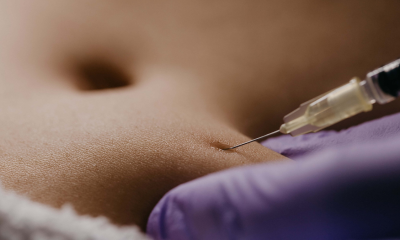
Unlike daily oral PrEP, which requires strict routine compliance, Lenacapavir is administered twice a year by a trained health professional.

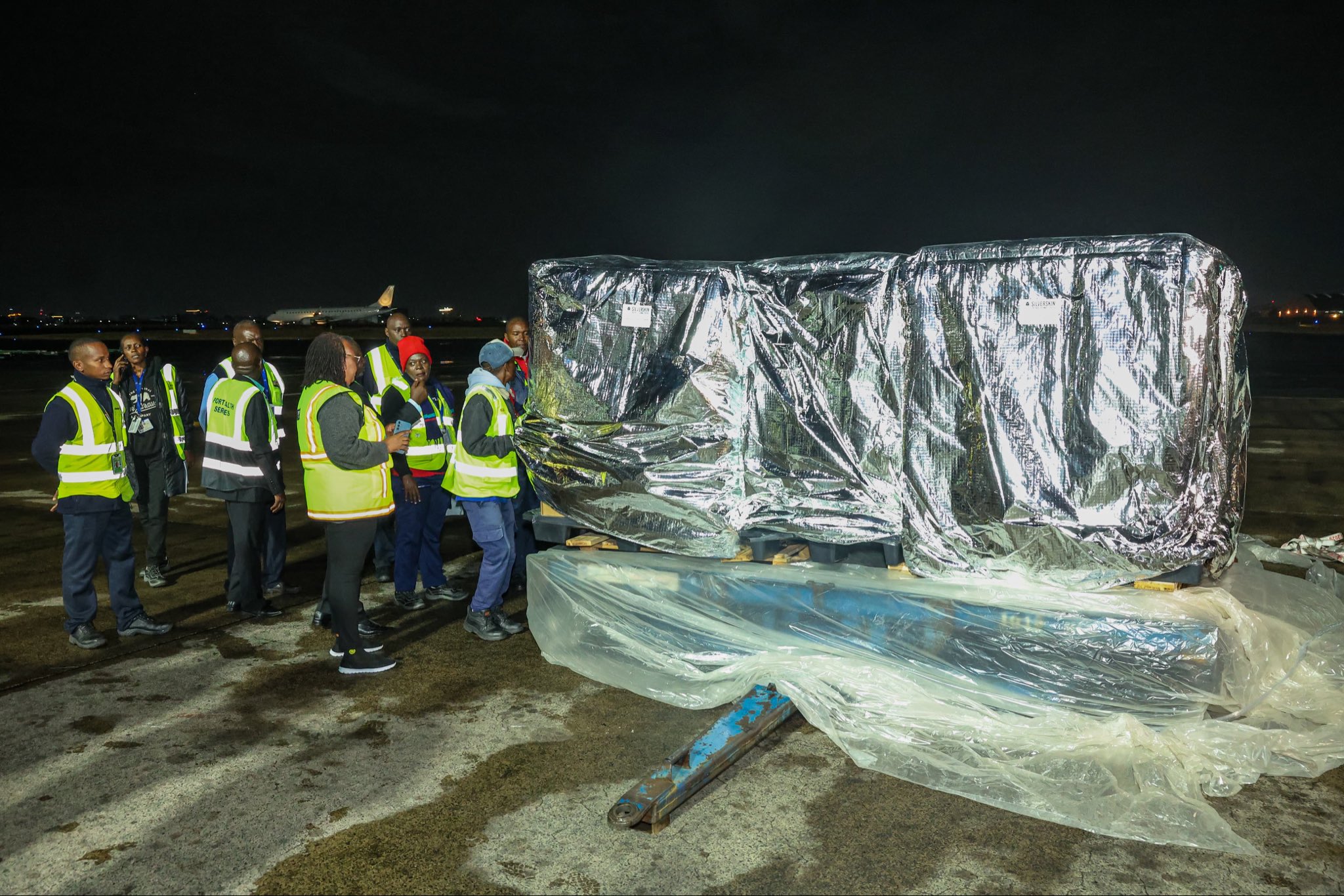
NAIROBI — Kenya has received its first shipment of the long-acting HIV prevention injectable Lenacapavir, positioning the country at the forefront of next-generation HIV prevention efforts in Africa as it moves to curb new infections among high-risk populations.
The initial consignment of 21,000 starter doses arrived in Nairobi this week through a partnership between the Ministry of Health and the Global Fund. Health officials confirmed that an additional 12,000 continuation doses are expected by April, while a further 25,000 doses supported by the United States Government will reinforce early implementation.
Lenacapavir, a twice-yearly injectable form of pre-exposure prophylaxis, offers a significant shift from daily oral PrEP regimens that have struggled with adherence, particularly among adolescent girls, young women, and other populations at substantial risk of HIV acquisition.
Kenya’s Director General for Health, Dr Patrick Amoth, received the shipment alongside representatives from the U.S. Embassy and intergovernmental agencies. He said the country had completed all regulatory and scientific requirements ahead of the rollout.
The drug was approved by the U.S. Food and Drug Administration in June 2025 and subsequently endorsed by the World Health Organization in July 2025 within updated global guidelines on long-acting HIV prevention.
In January 2026, Kenya’s Pharmacy and Poisons Board registered both the oral and injectable formulations for national use following a comprehensive scientific review.
Health authorities announced that Lenacapavir will be offered at an estimated annual cost of about Sh7,800 per patient.
Officials described this as a dramatic reduction from earlier global pricing estimates of approximately $42,000 per year during its initial commercial phase, a figure that had raised concerns about affordability in low- and middle-income countries.
The lower price reflects negotiated access arrangements and donor-backed procurement mechanisms aimed at accelerating uptake in high-burden settings.
Under the National AIDS and STI Control Programme, the Ministry of Health will implement a phased rollout beginning in March 2026. Phase one will target 15 high-burden counties identified through epidemiological surveillance data.
Two subsequent phases will expand access nationwide, guided by health-system readiness, commodity security, and service integration capacity.
Kenya records tens of thousands of new HIV infections annually, with young women aged 15 to 24 disproportionately affected.
Public health experts say long-acting injectable prevention could be a decisive intervention in addressing structural barriers to daily pill adherence, including stigma, mobility, and inconsistent access to health facilities.
Unlike daily oral PrEP, which requires strict routine compliance, Lenacapavir is administered twice a year by a trained health professional.
Clinical trials have demonstrated high efficacy in preventing HIV acquisition when delivered on schedule, strengthening confidence in its potential population-level impact.
The Ministry says the rollout will be integrated into broader HIV prevention services, including prevention of mother-to-child transmission and sexual and reproductive health programmes, aligning with Kenya’s Universal Health Coverage reforms.
Authorities have emphasised that supply chain safeguards and pharmacovigilance systems are in place to monitor safety and ensure continuity of care.
Kenya becomes one of the first African countries to move from regulatory approval to structured public-sector deployment of the injectable PrEP, reflecting a strategy that links donor financing, regulatory preparedness and targeted epidemiological planning.
Public health analysts caution that successful scale-up will depend on sustained financing, community engagement and equitable distribution across urban and rural settings.
However, with initial stocks secured and additional consignments scheduled, Kenya’s health authorities say the country is transitioning from incremental prevention gains to a potentially transformative phase in HIV control.
Kenya Insights allows guest blogging, if you want to be published on Kenya’s most authoritative and accurate blog, have an expose, news TIPS, story angles, human interest stories, drop us an email on [email protected] or via Telegram








Karua Detained at Entebbe as Uganda Blocks Besigye Lawyer From Entering Country

How KCB and Airtel Turned Kenya’s Unbanked Into a Data Goldmine Behind a ‘Financial Inclusion’ Deal

The Chivayo Network: How a Convicted Fraudster Won Access to Presidents, Passports and Billion-Dollar Deals Across Africa

BURRIED TWICE: The Victoria Bank CEO Yogesh Pattni Files

Court Stops Transfer Of EABL Shares To Asahi By Diageo In A Fresh Snag

Death Before Justice: Stephen Ngei, Victim of Sh180 Million Laptop Tender Scam Linked to Allan Chesang, Killed in Highway Crash

Court Brands Sh1.1 Billion Fee Demand by Lawyer Victor Swanya “Excessive and Exorbitant,” Exposes How City Hall Lets Public Money Bleed Through Legal Bills

Trump Unveils New Air Force One

MR. NO SHOW: Finance Bill 2026 Exposes Ndindi Nyoro’s Political Conmanship

Billionaire Eric Muli Rebukes Musalia Mudavadi Over Nairobi Capital Relocation Debate

Businessman Philip Waithaka Kinuthia’s Minor Son Allegedly Drove Drunk, Killed Two Peponi Students in Ngong Road Horror Crash as Claims of Cover-Up Intensify

Inside NCBA’s Decline: How a Banking Giant Lost Its Strategic Edge

Cement, Cash and Courts: How the Hashu Dynasty Crushed the Ramji Brothers for Fourteen Years and Why the Walls Are Now Closing In

Standard Chartered Ghosts Haunt Joshua Oigara At Stanbic As Whistleblower Spills Beans

South Sudan: Adut Salva Kiir’s Shadow Treasury Exposed

Inside The Urban Planning Cartel That Owns Nairobi

THE VULTURE AND THE SCHEME How Nairobi West Hospital Became the Most Dangerous Institution in Kenya’s SHA Ecosystem and Why the Books Must Be Audited Now

How Adil Popat Saved His Empire On The Eve Of Imperial Bank Collapse and Why Kenya’s Mainstream Media Buried The Story

The President’s Daughter and The Missing Witness: How Adut Salva Kiir’s Shadow Treasury Silenced Its Most Dangerous Critic

Why John Ngumi Is Running From the EACC and Why the Sh415 Million Payday May Be the Least of His Worries
-
 News1 week ago
Businessman Philip Waithaka Kinuthia’s Minor Son Allegedly Drove Drunk, Killed Two Peponi Students in Ngong Road Horror Crash as Claims of Cover-Up Intensify
-
 Business2 weeks ago
Inside NCBA’s Decline: How a Banking Giant Lost Its Strategic Edge
-
 Business2 weeks ago
Standard Chartered Ghosts Haunt Joshua Oigara At Stanbic As Whistleblower Spills Beans
-
 Africa1 week ago
South Sudan: Adut Salva Kiir’s Shadow Treasury Exposed
-
 Investigations3 days ago
THE VULTURE AND THE SCHEME How Nairobi West Hospital Became the Most Dangerous Institution in Kenya’s SHA Ecosystem and Why the Books Must Be Audited Now
-
 Business1 week ago
How Adil Popat Saved His Empire On The Eve Of Imperial Bank Collapse and Why Kenya’s Mainstream Media Buried The Story
-
 Africa2 weeks ago
The President’s Daughter and The Missing Witness: How Adut Salva Kiir’s Shadow Treasury Silenced Its Most Dangerous Critic
-
 Business1 week ago
Why John Ngumi Is Running From the EACC and Why the Sh415 Million Payday May Be the Least of His Worries