
Opinion
Wehliye: How The Goverment, CBK And Commercial Banks Working Together Can Salvage The Economy From Covid-19 Pandemic

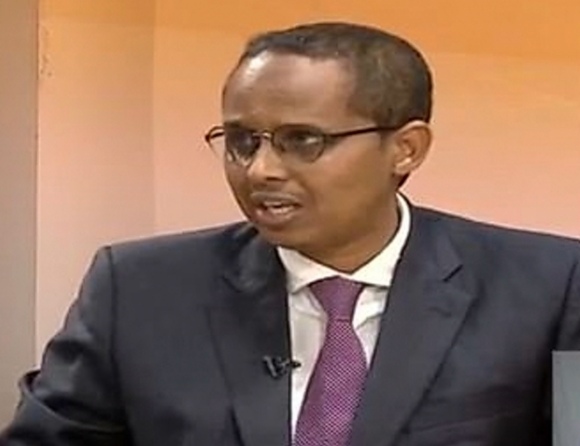
By Mohamed Wehliye
Along with dealing the health issues, the highest urgency lies in securing the funding to businesses. The government, the central bank & the commercial banks should come together and play a key role in mitigating the long term economic damage of this health crisis.
Covid-19 is a health crisis that has also serious economic consequences. Many countries are dealing with the health problems but are at the same time trying to minimize the impact on the economy now & once the health issues are dealt with.
In the last 2 months or so, I have been involved in designing Fiscal impulse, Deferral & Liquidity/Gurantee programs meant to respond to the Covid-19 crisis. In the process, I have looked at the various programs adopted by different countries (of different sizes & capacity).
In my opinion, the best programs to support the economy are those that are designed in such a way that there is risk sharing by governments through guarantee schemes & enlisting the banks to lend, using central & commercial bank funding for lending.
Unless we put in place a well designed & effective private sector stimulus program, the economy will likely not recover & that will have serious ramifications for the country- debt, jobs, security etc. Remember, our economy needed jump starting even before Covid-19.
Let the GoK put together a KES 100 billion loans to SMEs gurantee program to provide low cost funds at an attractive interest rate relative to the cost of funding for comparable maturities) for the SMEs. This will be money worth spent as investment in SMEs now = taxes tomorrow.
The National Treasury can partner with EIB/WB to provide lenders with a guarantee of 90% on each loan to give lenders further confidence in continuing to provide access to affordable finance to SMEs. The lender’s participation in the credit risk sharing shall be 10%.
The funding? KES 50 billion from the reserves released by CBK back to the banks & KES 50 billion from participating lenders. This way, the lenders will be getting a 50% discount on funding (the other 50% is money they had no access to) but assuming only 10% of the credit risk.
Because almost all the credit risk has been taken away from the banks, interest rate for these loans should be at max 5%. Remember the reserves will be like new money at 0% to the banks & as such cost of funds for these loans should be low.
Limit loan size to max 50m per customer so that as many SMEs (and as small) as possible can take advantage. Loan tenure of max 5 years and a grace period of 6 months for interest & principal requirements.
Facility should be available to viable businesses & should target specific sectors that are critical to the economy and where a lot of the employment is. Hospitality, Horticulture, Trade & Service, Public transport, Food & the food chain etc.
To manage risk of moral hazard, directors of these companies can be asked to also sign personal guarantees. Other risk management measures to prevent abuse of this cheap access to funds should be put in place.
It is in the interest of the banking sector that they support measures to save businesses and stimulate the economy. Otherwise, the credit risk that is building up in the system and the probable many years of recession will eventually also kill their own businesses.
Kenya Insights allows guest blogging, if you want to be published on Kenya’s most authoritative and accurate blog, have an expose, news TIPS, story angles, human interest stories, drop us an email on [email protected] or via Telegram


Yet Another Blow for Bia Tosha as Court Rejects Bid to Halt Diageo–Asahi Transaction

US to Slash Number of African Embassies Processing Visas from 50 to 20, Kenya Remains a Key Hub

Trump Picks Veteran Crisis Diplomat Henry Wooster as New U.S. Ambassador to Kenya

Former Catholic Priest Arrested Over Alleged Treasonous Social Media Posts

Hundreds Protest Against Planned US Ebola Quarantine Facility in Kenya

President Ruto Defends Laikipia Ebola Quarantine Centre, Tells Critics to ‘Relax’

“Raila Died Walking, He Didn’t Collapse,” Maurice Ogeta Breaks Silence On His Boss’ Final Moments

Bolt Denies Viral Exit Claims, Says Kenya Operations Remain Fully Active

Secret Trident Meetings, Claims of Millions Exchanged: Fresh Questions Raised Over PCF Boss Mohammed Sahal’s Role in Insurance Battle

The Kamukunji Cash Pit: Ghost School, Phantom Audit Trails and NG-CDF Manager Who Refuses to Leave

Why Ruto’s Favourite Candidate Adan Mohammed Could Be Locked Out of the KRA Top Job

Este Medical Kenya Fights American’s Explosive Complaints

Safaricom’s Sh1.4 Billion Reckoning: How Kenya’s Most Profitable Company Stole a Man’s Idea and Got Caught

LifeCare on the Brink: SHA Fraud, Stolen Wages, and the Rotten Empire Jayesh Saini Built

The Rot Inside Absa: How Bank Insiders Are Looting Nairobi’s Customers

The $24 Million Heist at the End of the World

Denial Under Duress: The Untold Collapse Threatening David Lagat’s DL Group’s Empire

THE INSURER THAT TOOK YOUR PREMIUM AND FORGOT YOUR NAME: How ICEA Lion Left a Client Begging for Sh7.8 Million Across Four Months

Court Confirms Safaricom Customers Data Was Sold To Betting Companies In Seven-Year Cover-Up

Eight Students Arrested In Kenya After Suspected Deadly School Arson Attack
-
 News1 week ago
Este Medical Kenya Fights American’s Explosive Complaints
-
 Investigations1 week ago
LifeCare on the Brink: SHA Fraud, Stolen Wages, and the Rotten Empire Jayesh Saini Built
-
 News4 days ago
Eight Students Arrested In Kenya After Suspected Deadly School Arson Attack
-
 Americas1 week ago
Inside FAFSA Fraud: How Kenyan Cybercriminals Siphoned Millions from America’s Sh12 Billion Student Loan System
-

 Investigations1 week ago
LSK On The Spot For Renewing Rogue Lawyer Dennis Onyango’s Licence Despite Mounting Evidence He Held Foreign Investors’ Millions Hostage
-

 Investigations2 days ago
Betika Faces DCI Probe, Directors Arrest and License Revocation Over Massive 29.5 Million Safaricom Customers’ Data Breach
-
 News3 days ago
How Uhuru’s Deal With Obama In 2015 Paved Way For America’s Ebola Plan In Kenya
-
 Investigations3 days ago
29.5 Million Safaricom Customers’ Data Breach Lands Odibets Boss Andrew Aligula In Police Custody, Firm Now Operating On A Thin Line Of Court Order