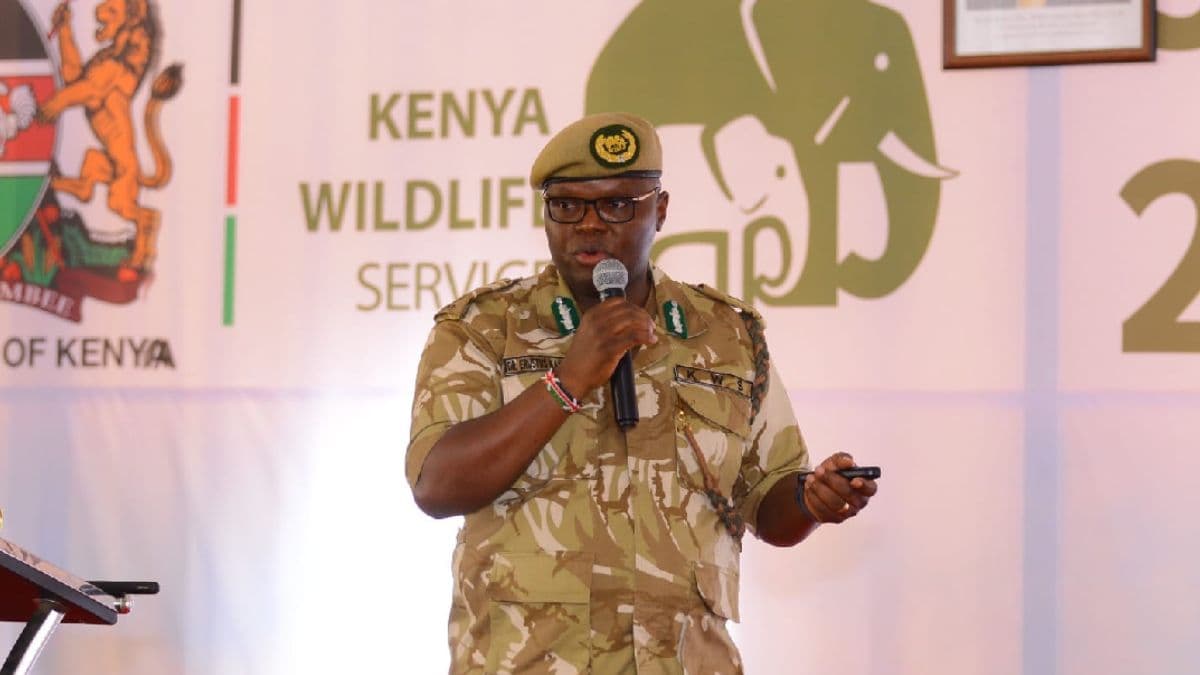
The Kenya Wildlife Service is once again at the centre of a procurement scandal that could see taxpayers lose millions of shillings after the Public Procurement Administrative Review Board declared the agency’s cancellation of a Sh710.9 million medical insurance tender unlawful and procedurally flawed.
In a damning ruling delivered this week, PPARB overturned KWS Director General Dr Erustus Kanga’s decision to terminate the three-year staff insurance contract, ruling that the cancellation was poorly explained and violated established procurement laws. The board has now ordered KWS to complete the procurement within 60 days, but the delay and procedural chaos have already cost the agency time, resources and credibility.
The latest scandal represents yet another blow to Dr Kanga’s embattled administration, which has been buffeted by corruption allegations, internal rebellion and systematic accusations of mismanagement over the past 18 months. What makes this case particularly troubling is that it marks the second time the same tender has been tainted by irregularities, suggesting that something is fundamentally broken in KWS procurement systems.
The tender saga began in April 2025 when KWS advertised for comprehensive medical insurance cover for its board members and staff. Eight major insurers submitted bids, including Jubilee Health Insurance and Britam General Insurance. After an initial evaluation was challenged and overturned due to a sophisticated forgery scheme that saw Jubilee wrongfully disqualified, PPARB ordered a fresh evaluation in May 2025.
Following the re-evaluation, Britam emerged as the lowest bidder at Sh710.9 million. But instead of approving the award and allowing staff to finally receive the medical cover they desperately need, Dr Kanga made a decision that has now been ruled illegal. He declined to approve the award and instead terminated the entire tender, citing vague “material governance issues” that the procurement board has now declared insufficient and legally untenable.
The board’s ruling was scathing in its assessment of KWS actions. It found that the agency failed to provide specific and factual reasons for the cancellation that bidders could understand or contest. The mere recitation of statutory language, PPARB emphasised, is not enough when a public entity is terminating a major procurement process. Bidders and taxpayers deserve concrete explanations, not bureaucratic generalities.
KWS attempted to justify the cancellation by citing a letter from the Directorate of Criminal Investigations about a past business relationship between one bidder and a broker. But investigators found no evidence of wrongdoing in the tender process itself and recommended no further police action. PPARB ruled that this did not constitute sufficient grounds for cancellation, noting that governance concerns must be specific and substantiated, not speculative or historical.
Even more troubling, the board discovered that KWS had failed to follow mandatory legal procedures when terminating the tender. The law requires an accounting officer to submit a written termination report to the procurement regulator within 14 days and to notify all bidders with clear reasons for the decision. KWS did neither. No termination report was filed with the regulator. The letters sent to bidders contained no meaningful explanation for why months of evaluation work was being thrown away.
These procedural violations matter because they expose taxpayers to legal liability and waste public resources. The tender was first advertised nearly nine months ago. Insurers invested time and money preparing bids. Evaluation committees spent weeks reviewing submissions. Staff have been left without proper medical cover while bureaucratic games are played at headquarters. All of this costs money, delays essential services and damages KWS reputation with the business community.
The ruling raises serious questions about Dr Kanga’s judgment and the quality of legal advice he is receiving. Why would a director general with over 20 years of conservation experience and a doctorate reject clear procurement procedures? Why cite governance concerns so vague that even a procurement tribunal cannot understand them? Why fail to file the most basic documentation required by law?
For Jubilee Health Insurance, which challenged the cancellation, the ruling represents vindication after months of fighting what it described as procedural manipulation. The company argued that KWS was using vague governance claims to avoid completing a procurement process that had already been marred by forgery and irregularities during the first evaluation round. PPARB agreed, ruling that the termination was unjustified and ordering the process to be completed properly.
The insurance tender debacle cannot be viewed in isolation. It forms part of a pattern of procurement failures, internal chaos and leadership breakdown that multiple sources have documented over the past year. An Ethics and Anti-Corruption Commission report released in August 2025 named KWS as Kenya’s most corrupt institution, revealing that job seekers were forced to pay over Sh200,000 in bribes to secure employment. The agency alone accounted for more than 35 percent of all bribe money exchanged across the entire country during the survey period.
Internal whistleblowers have compiled detailed dossiers alleging that Dr Kanga presides over a toxic work environment where transfers are weaponised to punish dissent, technical expertise is ignored, and a small cabal of loyalists makes decisions affecting Kenya’s entire wildlife heritage. Rangers report not receiving uniforms for three years. Staff meetings where grievances could be aired have been cancelled indefinitely. Medical insurance sits in arrears while officers nurse injuries from wildlife encounters.
Female officers say they have been completely shut out of senior management positions. Key parks have allegedly been captured along ethnic lines. The traditional practice of hiring lower cadre staff from communities surrounding protected areas has been abandoned, weakening the local cooperation that conservation depends on. Seasoned conservation professionals with decades of field experience sit idle while juniors with minimal qualifications are parachuted into sensitive positions.
The strategic plan launched with fanfare in 2023 appears dead in the water. Departments working on human wildlife conflict mitigation, tourism development, security and community relations report paralysis caused by confusion, resource shortages and unclear guidance from headquarters. Funds that once flowed directly to field stations for operational needs now require personal approval from a small inner circle, creating bottlenecks that leave rangers watching helplessly as elephants raid crops and poachers slip through surveillance gaps.
The insurance tender scandal is particularly galling because it involves the health and welfare of KWS own staff. These are the men and women who confront armed poachers in darkness, who wade through swamps tracking wildlife criminals, who spend weeks away from families protecting elephants and rhinos. They deserve medical cover that actually works, procured through processes that are transparent and efficient. Instead they are caught in bureaucratic quicksand while their leaders play games with procurement procedures.
The cost to taxpayers extends beyond the direct financial waste of repeated evaluations and legal challenges. Every day that KWS lacks proper insurance cover for staff is a day of institutional risk. Every procurement process that collapses due to procedural violations damages Kenya’s reputation with the private sector. Every tender that takes nine months instead of three months represents resources that could have been deployed to conservation instead of administrative fire fighting.
Tourism operators are already furious with KWS over massive park fee increases and illegal levies imposed despite explicit High Court orders. The brazen defiance of judicial directives signals an organisation that believes it answers to no one. Now procurement tribunals are having to force the agency to follow basic tendering procedures. The pattern suggests an institution that has lost its moorings and abandoned the professional standards that once made it the envy of African conservation.
International donors and conservation partners who once queued to fund KWS programs are increasingly wary of an agency associated with bribery scandals, tender manipulation and internal dysfunction. Global conservation organisations that send their wildlife managers to Kenya to learn best practices are reconsidering whether KWS still represents excellence or has become just another cautionary tale of institutional decay.
The 60 day deadline PPARB has imposed for completing the procurement offers Dr Kanga one last chance to demonstrate that his administration can execute even the most basic functions properly. The tender documents exist. The bids have been submitted and evaluated. The legal framework is clear. All that is required is following established procedures without the drama, secrecy and procedural violations that have characterised this process from the beginning.
But if the past 18 months are any guide, there is little reason for confidence. This is an administration that has presided over systematic bribery, defended forged documents in procurement processes, defied court orders on park fees, allegedly allowed mining cartels into protected areas and failed to provide basic equipment to frontline rangers. The insurance tender represents a test case for whether KWS can still perform routine functions or whether the rot has progressed to the point where even straightforward procurements collapse into chaos.
The implications stretch far beyond medical insurance. KWS is responsible for protecting wildlife that generates billions in tourism revenue and supports thousands of jobs. It maintains national parks that are global treasures. It represents Kenya’s commitment to environmental leadership. When such an institution becomes synonymous with corruption and mismanagement, the damage extends to the entire country’s international standing and economic prospects.
Dr Kanga came into office in August 2023 with a sterling academic background and two decades of conservation field experience. He was supposed to represent a new generation of professional leadership that would modernise KWS and restore public confidence after years of drift. Instead his tenure is becoming defined by the EACC report crowning KWS as Kenya’s most corrupt agency, multiple procurement scandals, whistleblower dossiers alleging systematic abuse and now a procurement tribunal ruling that his decision to cancel a major tender was unlawful.
The question facing the Cabinet Secretary for Tourism and Wildlife, the board of trustees and ultimately President William Ruto is how much longer this situation can continue before irreversible damage is done. Wildlife populations do not wait for procurement disputes to be resolved. Tourists making decisions about African safaris do not ignore headlines about corruption and mismanagement. International conservation funding does not flow to agencies that have lost institutional discipline.
The 60 day clock is now ticking. KWS must complete the insurance tender properly, following every procedure, documenting every decision, treating all bidders fairly and ensuring that staff finally receive the medical cover they need and deserve. If the agency cannot manage even this basic task under the direct supervision of a procurement tribunal, then the evidence will be overwhelming that leadership change is not just desirable but essential for institutional survival.
For now, taxpayers are left counting the cost of yet another procurement failure at an agency that is supposed to be protecting national heritage, not wasting public resources on bureaucratic incompetence and procedural violations. The rot at KWS is no longer hidden behind closed doors or whispered about in ranger posts. It is being documented in official reports, exposed in tribunal rulings and laid bare for all Kenyans to see.
Whether anyone in authority has the political will to act on what is now undeniable remains the only question that matters.





Comments