
Politics
Raila Urges Government and Mungiki Militia to Seek Common Ground

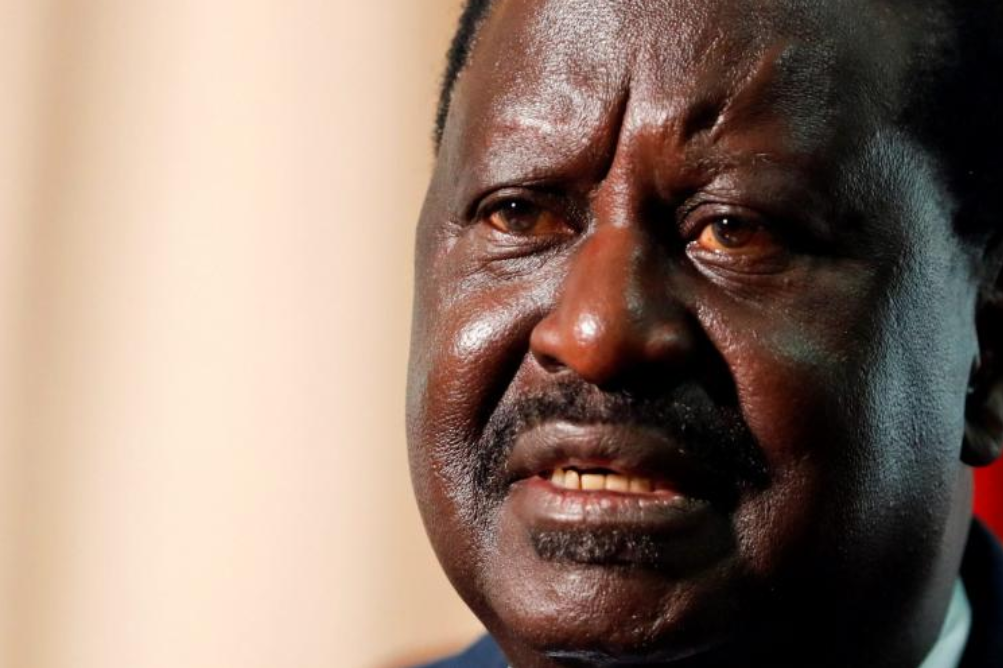
Opposition leader Raila Odinga believes that the government should engage in negotiations with members of the Mungiki sect rather than resorting to violent means.
Raila asserts that the Kenya Kwanza administration is leveling accusations without presenting concrete evidence to support their claims.
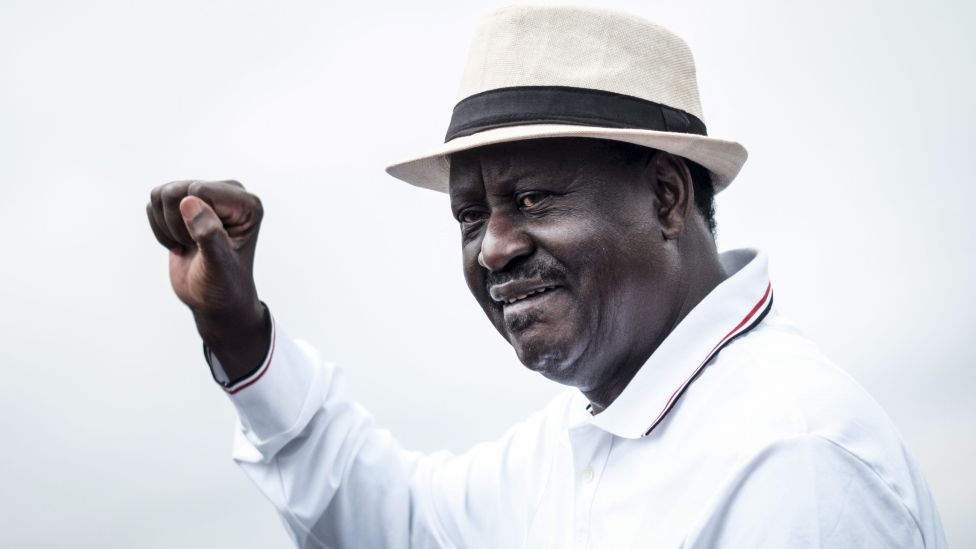
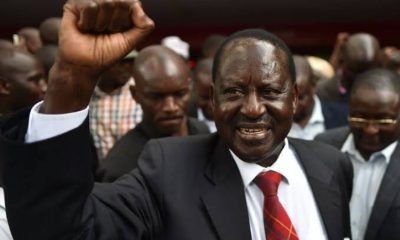
Raila Odinga. Image / BBC News
Kenya has a long history of political tensions and conflicts that have often exacerbated the divide between the government and various opposition groups. One such group is the Mungiki sect, a secretive and controversial movement that has been involved in criminal activities and sporadic violence.
However, in a surprising turn of events, Kenya’s opposition parties are now urging the government to engage in dialogue with the Mungiki militia, seeking a peaceful resolution to long-standing grievances.
This article explores the significance of this unprecedented move and its potential implications for Kenya’s political landscape.
Understanding The Mungiki Sect
The Mungiki sect emerged in the 1980s as a religious and political movement among the Kikuyu people, Kenya’s largest ethnic group.
Initially, the group aimed to promote traditional Kikuyu values, address social and economic inequalities, and challenge political elites.
However, over time, the Mungiki sect transformed into a notorious criminal organization, engaging in activities such as extortion, drug trafficking, and even acts of violence.
Government Crackdown and Raila’s Perspective
Due to their criminal activities, the Mungiki sect has been subjected to a series of government crackdowns.
Security forces have carried out operations to dismantle the group, leading to arrests, prosecutions, and occasional violent confrontations.
Critics argue that the heavy-handed approach by the government has often resulted in human rights abuses and further radicalization of Mungiki members.
In a surprising move, Kenya’s opposition parties, recognizing the need for a peaceful and inclusive society, have called for dialogue between the government and the members of Mungiki sect.
They argue that sustained engagement and understanding of the underlying causes of the Mungiki movement are essential for finding lasting solutions.
Raila Odinga’s standpoint is based on the belief that addressing the root socio-economic issues that drive individuals to join the Mungiki sect is paramount to fostering reconciliation and societal cohesion.
Reasons for Raila’s Engagement
- Addressing Socio-Economic Inequalities: Kenya is grappling with significant socio-economic disparities, including unequal access to resources, land, and opportunities. The opposition argues that by addressing these disparities and ensuring inclusive development, the government can effectively curb the recruitment of disenchanted individuals into the Mungiki militia.
- Promoting Restorative Justice: The opposition’s approach emphasizes the need to shift from punitive measures to restorative justice, focusing on reconciliation, rehabilitation, and reintegration. By adopting this approach, the government can help Mungiki members to renounce violence and contribute positively to society.
- Building Trust and Reconciliation: Meaningful dialogue between the government and the Mungiki sect can help build trust and understanding. By creating platforms for open discussions and listening to the concerns of Mungiki members, the government can potentially deescalate tensions and foster a sense of belonging among marginalized communities.
Challenges and Potential Implications
Engaging with the Mungiki sect poses several challenges and risks. The militia has been involved in serious crimes, and any negotiations must be conducted carefully to ensure accountability and justice for victims.
There is a delicate balance between addressing the root causes of the movement and avoiding the legitimization of criminal behavior.
However, if successful, the engagement between the government and the Mungiki sect could have profound implications.
It could potentially contribute to the rehabilitation and reintegration of former militia members into mainstream society.
Moreover, by addressing the socio-economic grievances of marginalized communities, Kenya may witness a reduction in radicalization and a more inclusive political landscape.
Conclusion
The opposition’s call for the government to engage in dialogue with the Mungiki sect marks a significant shift in Kenya’s political dynamics.
By focusing on the root causes of the Mungiki movement and advocating for restorative justice, the opposition parties aim to bring about reconciliation, trust-building, and lasting peace.
However, it is crucial for any negotiations to prioritize accountability and ensure that justice is served for victims of the Mungiki militia.
Ultimately, the success of this dialogue will depend on the willingness of all stakeholders to engage in genuine and inclusive discussions, keeping the best interests of the nation at the forefront.
Kenya Insights allows guest blogging, if you want to be published on Kenya’s most authoritative and accurate blog, have an expose, news TIPS, story angles, human interest stories, drop us an email on [email protected] or via Telegram










Court Upholds Gachagua Impeachment, Awards Him Sh50M In Constitutional Damages To Be Paid By Senate

Somali FIFA Referee Denied Entry To US Ahead Of 2026 World Cup: Reports

David Maraga: Kenya’s Ex-Chief Justice Arrested At Protest Against Building On National Park

KRA Warns It Will Automatically File Tax Returns for Kenyans Who Miss June 30 Deadline Using Its Own Data

Govt Plans to Monetise eCitizen Data in New Revenue Drive

Dennis Onyango: Why Raila Won Elections But Never Became President

Israel, Iran Trade Fire Despite Trump’s Call For Restraint

Dennis Onyango Lifts Lid on Raila’s Inner Circle, Says Sifuna Lost Baba’s Trust While Babu Was Viewed as a Threat

Sibling Rivalry? Cracks Emerge Within Linda Mwananchi

Instant Traffic Fines Still Active Despite Court Order, NTSA Clarifies

Cement, Cash and Courts: How the Hashu Dynasty Crushed the Ramji Brothers for Fourteen Years and Why the Walls Are Now Closing In

Inside The Urban Planning Cartel That Owns Nairobi

Why Ruto’s Favourite Candidate Adan Mohammed Could Be Locked Out of the KRA Top Job

LifeCare on the Brink: SHA Fraud, Stolen Wages, and the Rotten Empire Jayesh Saini Built

Este Medical Kenya Fights American’s Explosive Complaints

The Rot Inside Absa: How Bank Insiders Are Looting Nairobi’s Customers

Betika Faces DCI Probe, Directors Arrest and License Revocation Over Massive 29.5 Million Safaricom Customers’ Data Breach

Inside FAFSA Fraud: How Kenyan Cybercriminals Siphoned Millions from America’s Sh12 Billion Student Loan System

Fresh Move Launched to Remove Kenya Railways MD Mainga From Office After Awarding Sh817 Million Consultancy Contract

Court Confirms Safaricom Customers Data Was Sold To Betting Companies In Seven-Year Cover-Up
-
 Investigations4 days ago
Cement, Cash and Courts: How the Hashu Dynasty Crushed the Ramji Brothers for Fourteen Years and Why the Walls Are Now Closing In
-
 Investigations3 days ago
Inside The Urban Planning Cartel That Owns Nairobi
-
 Investigations2 weeks ago
LifeCare on the Brink: SHA Fraud, Stolen Wages, and the Rotten Empire Jayesh Saini Built
-
 Investigations1 week ago
Betika Faces DCI Probe, Directors Arrest and License Revocation Over Massive 29.5 Million Safaricom Customers’ Data Breach
-
 Investigations4 days ago
Fresh Move Launched to Remove Kenya Railways MD Mainga From Office After Awarding Sh817 Million Consultancy Contract
-

 News2 weeks ago
Eight Students Arrested In Kenya After Suspected Deadly School Arson Attack
-
 News1 week ago
How Uhuru’s Deal With Obama In 2015 Paved Way For America’s Ebola Plan In Kenya
-

 Investigations2 weeks ago
The Invisible Hand: Al Jazeera Further Exposes How Safaricom Became The Regime’s Most Powerful Spy