South Sudan’s promise of prosperity has long rested on the black gold beneath its soil. Oil was meant to fund schools, hospitals, and roads after decades of war.
Instead, more than a decade after independence, the country’s wealth has been captured by a powerful elite that treats national resources as private property while millions remain hungry, displaced, and trapped in poverty.
A September 2025 report by the United Nations Commission on Human Rights in South Sudan detailed the scale of systemic looting, revealing that more than 25 billion dollars in oil revenue since 2011 cannot be traced to public services.
The report painted a picture of a country where corruption has hollowed out institutions, crippled basic services and deepened food insecurity.
Investigators found that entire revenue systems had been hijacked by politically connected networks that siphoned money through opaque deals, inflated contracts and foreign-registered companies.
Nearly half the population now faces acute hunger, a crisis the UN and humanitarian agencies attribute directly to the diversion of state resources.
One of the most alarming examples is the Oil for Roads programme.
It was launched to convert oil wealth into much-needed transport infrastructure but ended up as another private feeding trough.
Between 2021 and 2024, 2.2 billion dollars meant for roads was diverted, with 1.7 billion dollars allegedly channelled to firms linked to then–Vice President Benjamin Bol Mel.
Less than a quarter of the planned infrastructure materialised.
In November 2025, after intelligence briefings, President Salva Kiir dismissed Bol Mel and placed him under house arrest, an extraordinary fall for one of the most influential power brokers in the country.
But as the old guard fell, a younger generation of elites stepped in to claim the spoils.
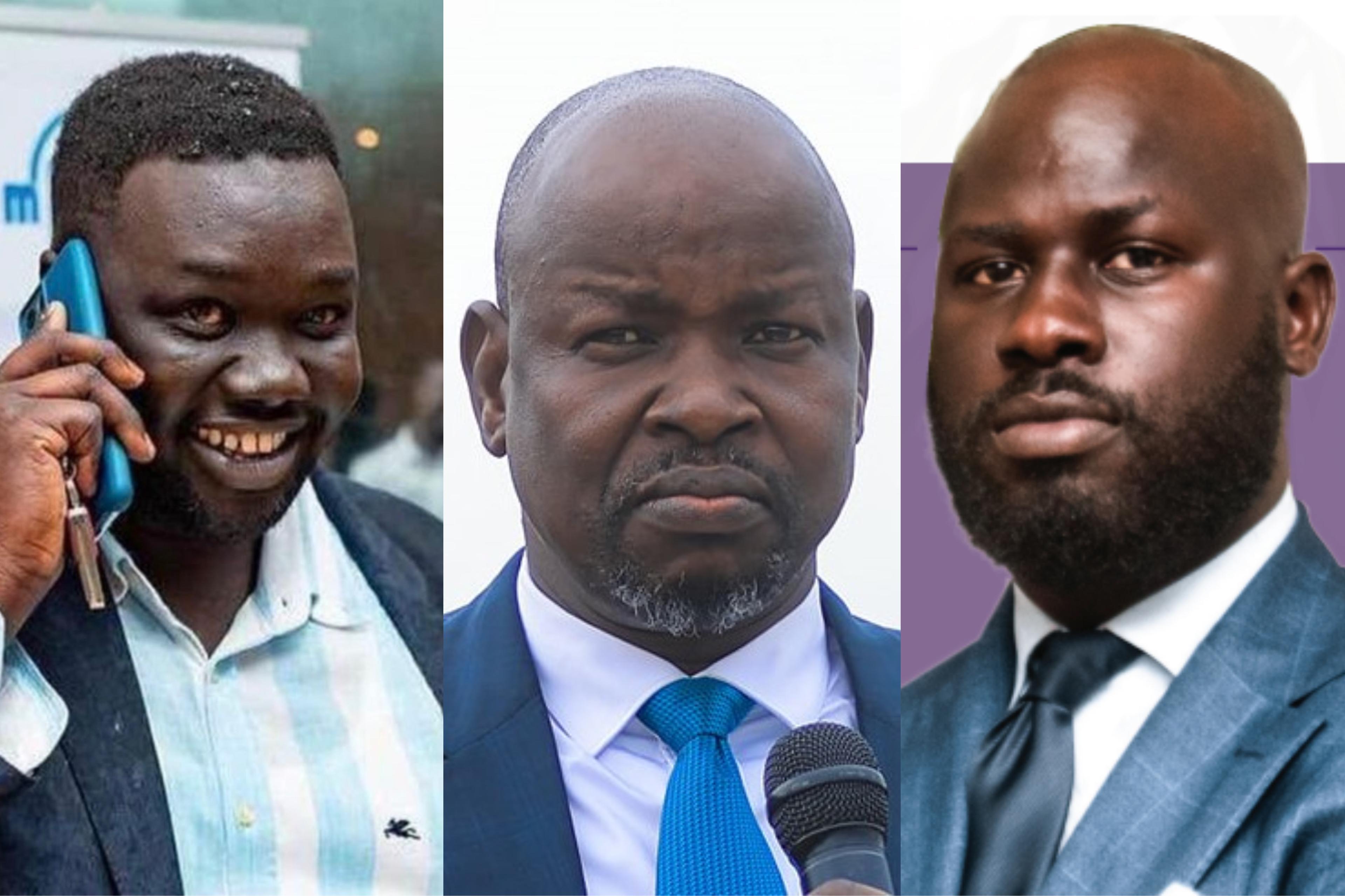
A network of young South Sudanese men, all born in 1991 and holding British citizenship, has quietly built a web of companies registered in London while operating aggressively inside Juba.
They include Deng Daniel, Garang Mayom Malek, Ariec Wol Mayar and Dinnall Bateman Kurtis Nathaniel.
Their firms, including Capital Pay Ltd, Capital Pay Software Solutions Ltd, ECitizen and Crawford Capital, emerged in 2025 and rapidly positioned themselves within critical revenue streams.
Business owners in Juba describe being confronted by these men or their agents, who present themselves as official revenue collectors acting with high-level authority.
Companies receive invoices for non-existent taxes or demands framed as “patriotic contributions.” Those who resist face intimidation.
The young group’s political cover is strengthened by figures like Ariec Wol Mayar, who serves as Director of Media at the Ministry of Foreign Affairs while allegedly profiting from the same private networks.
Their public display of wealth stands in painful contrast to the country’s suffering.
Social media is filled with images of their luxury cars, imported designer clothes, private jets and parties in Dubai, Monaco and Kampala.
They flaunt the kind of opulence that South Sudan’s oil wealth should have delivered to its people but instead finances the lifestyles of a privileged few.
The UN report warns that such networks, old and new, operate with impunity. Corruption is so deeply entrenched that entire institutions have collapsed.
Hospitals lack medicine, schools operate without pay for teachers, justice systems barely function and civil servants often go months without salaries.
As oil production declines and revenues shrink due to regional instability, basic survival has become harder for millions of citizens while the elite expand their reach into remaining income streams.
South Sudan’s leadership insists reforms are under way.
Kiir’s recent purge of senior officials, including Bol Mel and several revenue and central bank bosses, signalled an attempt to curb the rot.
But civil society groups say the shake-up appears to have created a vacuum now filled by younger, more aggressive profiteers.
Without full transparency and independent prosecution of economic crimes, they warn, the cycle of plunder will simply repeat.
South Sudan’s wealth was meant to uplift a nation emerging from conflict.
Instead it has enriched a small circle of self-proclaimed guardians who claim to defend the nation while draining it of its future.
As the country braces for worsening hunger and economic decline, the biggest question remains whether these predators will continue to rise or whether South Sudan will finally break the cycle that has robbed generations of their promise.

Comments