
Business
How Kenya became a money laundering haven

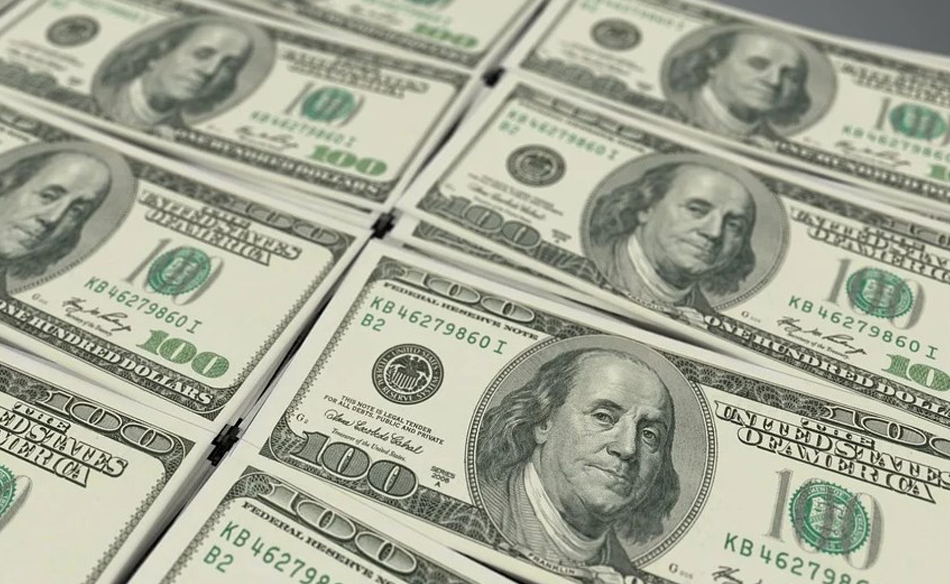
Kenya is now ranked among countries with rampant money laundering and financial crimes in the world after a report tabled before the US Congress exposed the country’s vulnerability through the increased use of mobile money transfer platforms, the hawala system of banking and Trade Based Money Laundering.
The report is part of the annual International Narcotics Control Strategy tabled before the US Congress to monitor the countries most affected by the vice and initiate measures to curb illicit financial transactions that aide criminal and terror activities.
Kenya is now ranked among top money laundering countries in the world with diaspora remittances totaling up to Sh178 billion between January and August 2020 including proceeds of narcotics trade.
The report also showed that dirty money has continued to circulate in the world despite the negative effects COVID-19 has had on economies across the world with many ravaged, shut or seriously slowed.
“Criminals not only continued to perpetrate traditional financial crimes, but devised new ways to exploit the pandemic through counterfeiting essential goods and telephone and email scams promoting health or medical products,” the report read in part.
Kenya is listed among other notorious African countries including Nigeria, Algeria, Ghana, Morocco, Mozambique, Tanzania, Liberia and Benin. The list also has the United States, UK, Colombia, Cyprus, Cuba, Italy, Mexico, Turkey, United Arab Emirates, Vietnam, India and Cayman Islands.
The continuous flow of illicit money is majorly aided by corruption in many parts of the world, lack of political will, ineffective institutions and inefficient anti-money laundering laws.
Kenya remains exposed to money laundering and terror financing in the East African region since it became a pioneer in mobile money transfer that has been used abused to finance terror activities. Weaker laws also maker it possible to infiltrate formal and informal channels through cybercrime, corruption, wildlife trafficking and smuggling of illicit drugs, counterfeits and illegal timber trade.
The proximity of the country with war torn Somalia is also attracting laundering of piracy-related proceeds with a thriving miraa and charcoal trade that is unregulated. The Central Bank of Kenya has also failed in ensuring that all financial transactions above one million are flagged.
Kenya Insights allows guest blogging, if you want to be published on Kenya’s most authoritative and accurate blog, have an expose, news TIPS, story angles, human interest stories, drop us an email on [email protected] or via Telegram













US to Slash Number of African Embassies Processing Visas from 50 to 20, Kenya Remains a Key Hub

President Trump Nominates Henry Wooster As U.S. Ambassador To Kenya

Former Catholic Priest Arrested Over Alleged Treasonous Social Media Posts

Hundreds Protest Against Planned US Ebola Quarantine Facility in Kenya

President Ruto Defends Laikipia Ebola Quarantine Centre, Tells Critics to ‘Relax’

“Raila Died Walking, He Didn’t Collapse,” Maurice Ogeta Breaks Silence On His Boss’ Final Moments

Bolt Denies Viral Exit Claims, Says Kenya Operations Remain Fully Active

Secret Trident Meetings, Claims of Millions Exchanged: Fresh Questions Raised Over PCF Boss Mohammed Sahal’s Role in Insurance Battle

The Kamukunji Cash Pit: Ghost School, Phantom Audit Trails and NG-CDF Manager Who Refuses to Leave

Lawyer in Sh65 Million Fake Gold Scandal Dragged to Court as Investigators Uncover Web of Suspicious Deals

Why Ruto’s Favourite Candidate Adan Mohammed Could Be Locked Out of the KRA Top Job

Este Medical Kenya Fights American’s Explosive Complaints

Safaricom’s Sh1.4 Billion Reckoning: How Kenya’s Most Profitable Company Stole a Man’s Idea and Got Caught

LifeCare on the Brink: SHA Fraud, Stolen Wages, and the Rotten Empire Jayesh Saini Built

The Rot Inside Absa: How Bank Insiders Are Looting Nairobi’s Customers

The $24 Million Heist at the End of the World

Denial Under Duress: The Untold Collapse Threatening David Lagat’s DL Group’s Empire

THE INSURER THAT TOOK YOUR PREMIUM AND FORGOT YOUR NAME: How ICEA Lion Left a Client Begging for Sh7.8 Million Across Four Months

Court Confirms Safaricom Customers Data Was Sold To Betting Companies In Seven-Year Cover-Up

Eight Students Arrested In Kenya After Suspected Deadly School Arson Attack
-
 News1 week ago
Este Medical Kenya Fights American’s Explosive Complaints
-
 Investigations1 week ago
LifeCare on the Brink: SHA Fraud, Stolen Wages, and the Rotten Empire Jayesh Saini Built
-
 News4 days ago
Eight Students Arrested In Kenya After Suspected Deadly School Arson Attack
-
 Americas1 week ago
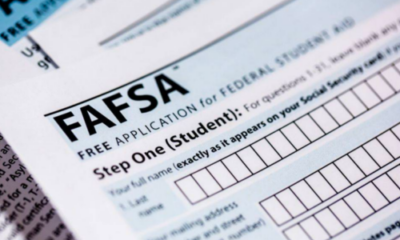
Inside FAFSA Fraud: How Kenyan Cybercriminals Siphoned Millions from America’s Sh12 Billion Student Loan System
-

 Business2 weeks ago
Blocked: How Mombasa Tycoon Ashok Doshi Has Stopped Imperial Bank Depositors From Getting Their Money
-
 Investigations1 week ago
LSK On The Spot For Renewing Rogue Lawyer Dennis Onyango’s Licence Despite Mounting Evidence He Held Foreign Investors’ Millions Hostage
-
 News2 days ago
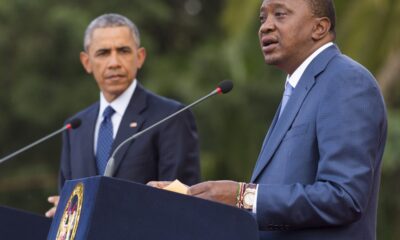
How Uhuru’s Deal With Obama In 2015 Paved Way For America’s Ebola Plan In Kenya
-
 Investigations2 days ago
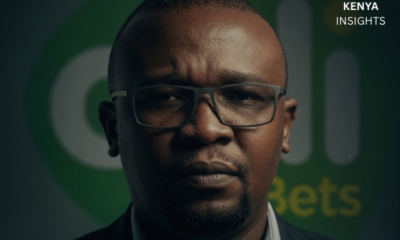
29.5 Million Safaricom Customers’ Data Breach Lands Odibets Boss Andrew Aligula In Police Custody, Firm Now Operating On A Thin Line Of Court Order