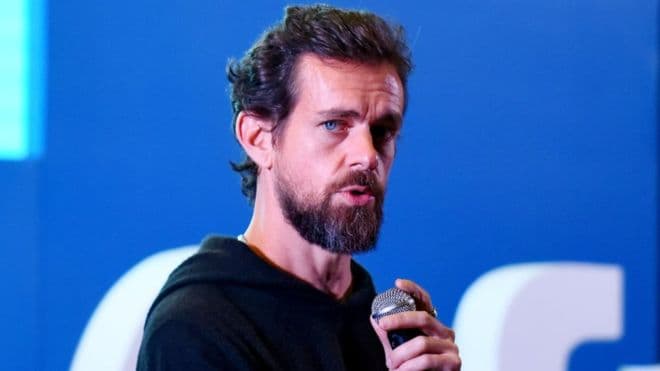
Twitter founder and CEO has announced that all paid political advertisements will be banned from the platform as soon as next month.
Announcing this, Twitter founder and CEO took the declaration to his social media.
We’ve made the decision to stop all political advertising on Twitter globally. We believe political message reach should be earned, not bought. Why? A few reasons…?
— jack (@jack) October 30, 2019
From November 22, major Political campaigns around the world such as the U.K. election, are expected to be hardest hit even as Dorsey maintained that
A political message earns reach when people decide to follow an account or retweet. Paying for reach removes that decision, forcing highly optimized and targeted political messages on people. We believe this decision should not be compromised by money.
— jack (@jack) October 30, 2019
Jack also states that online political campaigns or ads have introduced unparalleled risks such as unchecked misleading information and deep fakes at an alarming rate.
Internet political ads present entirely new challenges to civic discourse: machine learning-based optimization of messaging and micro-targeting, unchecked misleading information, and deep fakes. All at increasing velocity, sophistication, and overwhelming scale.
— jack (@jack) October 30, 2019
Dorsey requested for enhanced political ad regulation and transparency saying that regulators need to think past the present day to ensure a level playing field.
We considered stopping only candidate ads, but issue ads present a way to circumvent. Additionally, it isn’t fair for everyone but candidates to buy ads for issues they want to push. So we're stopping these too.
— jack (@jack) October 30, 2019
In addition, we need more forward-looking political ad regulation (very difficult to do). Ad transparency requirements are progress, but not enough. The internet provides entirely new capabilities, and regulators need to think past the present day to ensure a level playing field.
— jack (@jack) October 30, 2019
A final note. This isn’t about free expression. This is about paying for reach. And paying to increase the reach of political speech has significant ramifications that today’s democratic infrastructure may not be prepared to handle. It’s worth stepping back in order to address.
— jack (@jack) October 30, 2019
The move by Twitter to ban political ads from its platform has left world leading APP Facebook on the spotlight. Mark Zuckerberg-led company has been facing backlash after a move to exempt politicians from fact-checking by third parties. Jack’s fans have also hoped that Facebook will follow the footsteps of Jack.
https://twitter.com/Marmel/status/1189638511516733440?s=19

Comments