
Investigations
Safaricom, The Kenya’s Big Bad Wolf

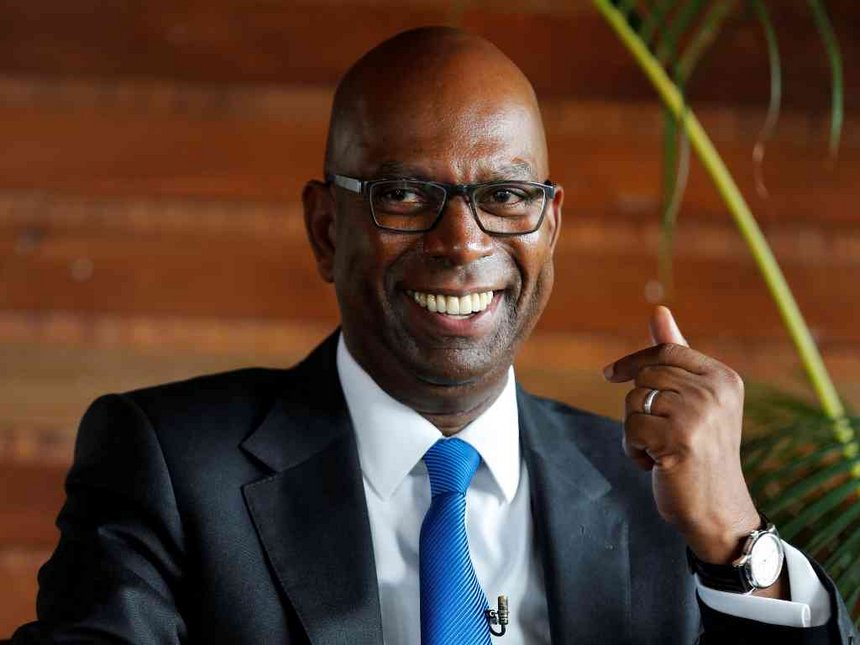

Safaricom CEO Bob Collymore
Safaricom the Big Bully
Beyond its extensive connections in Kenya’s government and political class, Safaricom also has a war chest full of cash reserves, and one of the largest advertising budgets in Kenya. You will not find the truth about Safaricom on mainstream media.
TV, radio and newspaper print editor’s cannot publish stories portraying Safaricom negatively because it is one of the media’s biggest advertiser. They risk losing a lucrative budget worth in advertising across their multiple media channels. Instead, they dance to Safaricom’s tune.
What is often buried and left out in staged media campaigns, is Safaricom’s reputation of stealing ideas from young companies, bullying and using its connections to lock out competitors? Safaricom’s monopoly has had negative ripple effects on the Kenya’s competitive landscape by locking out innovation. Ask any young computer geeks of Nairobi.
They will tell you, Mpesa, the widely used local payment system, is strictly controlled on how who and when it can be accessed. Collecting payments are limited to them, and they get to decide the rules. Complaints abound of Safaricom’s failure to offer simple APIs for tech developers and small businesses to link Mpesa payment applications to their process. For a company as big as they are, what they provide is low quality compared to industry standards. What is ideally supposed to be a natural process of applying for APIs (typically free and easy to access), is a nightmare at best.
Kariuki Marima, one of Silicon Savannah’s bright minds is frustrated and says Safaricom’s API Integration is a nightmare. Kariuki and other highly experienced developers from Banking and telecommunications admit they have not faced a more painful process than integrating to M-PESA. It is hard to believe a company with $150 million in reserves cannot develop simple, accessible APIs for Kenya’s technopreneurs.
It is no secret Safaricom has had numerous Intellectual Property cases brought against it in courts. Budding internet entrepreneurs have been victims of Safaricom’s devious tactics. Safaricom has been accused of stealing intellectual property ideas from young Kenyan companies, after luring with closed door session pitch.
Steve Ngethe came up with Manyatta rent in 2012. A mobile payment application that allowed landlords and real estate agents to aggregate rental payments. Steve got into talks with Safaricom’s Business Development Department on a potential partnership. Months later, Safaricom launched a rival product dubbed Lipa Kodi that resembled his original idea, Lipa Rent.
Faulu Kenya Microfinance Bank also had qualms with the Safaricom over its product concept, Kopa Chapaa. Faulu claimed they pitched Safaricom on the idea of a mobile money service in 2011 that would let users save, borrow loans and earn interest on their mobile phones. Faulu
“ had proposed to enter into a partnership with Safaricom to deploy a similar product and says it presented a prepared concept paper detailing how the platform was going to operate.” – business daily
Faulu Kenya’s case was heard before the High Court on December 2012. Judge Jonathan Havelock dismissed the application for an injunction by Faulu seeking to temporarily freeze the launch of M Shwari. Today, that product is and belongs to Safaricom and Commercial Bank of Africa.
Another case of Dr Dedan Maina Warui vs. Safaricom Ltd. sought an injunction against Safaricom on allegations of a breach of copyright and intellectual property. Dr Dedan claimed to have pitched Safaricom’s Enterprise Unit on the idea of a medical dispenser in March 2011. Warui had heard of Safaricom’s crooked methods. He smart enough to register his Med Dispenser concept paper with the Kenya Copyright Board as a literary work, no. CR 000712 on March 8, 2011. Safaricom later launched a similar product, Safaricom Healthcare Presence without notifying Warui. He found out through the Daily Nation newspaper and sought redress in court. Again, the High Court dismissed his application. In his ruling. Judge Gikonyo agreed that Warui concept paper was copyrightable.
These are just but a few example. Safaricom’s reputation has been soiled amongst Kenyan entrepreneurs and technologists. It is so bad, and that young companies are hesitant to take up investment rounds from the firm’s $1 million Spark Fund kitty set aside for startups.
Even large Kenyan corporations have locked horns with Safaricom over its monopolistic, anti-competitive, dishonest tactics. Airtel and Equity Bank have had over ten court battles with Safaricom over its anti-competitive behaviour. The status quo is intent on perpetuating the cash cow at whatever cost.
The latest court case in December 2015, was a spat between a payment start up BitPesa and Safaricom. BitPesa Limited and Lipisha Consortium Limited (the petitioners) took Safaricom (the respondent) to court for abruptly shutting down their services.
Kenya Insights allows guest blogging, if you want to be published on Kenya’s most authoritative and accurate blog, have an expose, news TIPS, story angles, human interest stories, drop us an email on [email protected] or via Telegram














Why Kisumu Senator Tom Ojienda Is Suspected as the Hidden Hand Behind the Brutal Beating of Senator Godfrey Osotsi

Bia Tosha vs EABL: Why the Dispute Isn’t What You Might Have Been Told

The Lawyer at the Centre of Kenya’s State Machine: Eric Gumbo, the AG’s Bypassed Office, and the Half-Billion-Shilling Question

Mombasa Lawyer Exposed In Sh600 Million Alleged Double-Dealing Diani Property Transaction

THE POISON THAT WON’T GO AWAY: Why Rejected Fuel From One Petroleum May Still Be Circulating Despite Assurances

Eric Omondi Tops Kenya Influencers With Sh57mn Earnings

Both Sides Claim Victory After US, Iran Agree To 11th-Hour Truce

The Teflon Company: How Gulf Energy’s Insiders Built Billions on Kenya’s Fuel, and Walked Away Clean

Inside Details Of Sh78 Billion Fraud in KPC’s Mombasa-Nairobi Line 5 Pipeline Project That Has Continued To Bleed The Country

Details Of The Precise Rescue Of Elite US Troops From Iranian Territory

Tuju Forcefully Removed From His Karen Property With Masked Officers In Unmarked Vehicles In Early Morning Raid

Named: Havi Says Mutava Confessed He Was Collecting The Bribe For Lady Justice Josephine Mongare, So Why Is JSC Still Silence?

How Little-Known Pesa Print, Linked to State House Tycoons, Won NTSA Tender Worth Sh42 Billion in Traffic Fines

‘They Will Eat You Alive’: Retired Teacher Warns Against Bashy African Credit as Sh500,000 Loan Spirals Into Sh1.5 Million Fight

THE HANDSHAKE THAT BECAME A NOOSE: How Tuju’s Alleged Intimate Access to EADB’s Yeda Apopo Produced a Sh294 Million Deal With No Written Contract, and Why That Trust Destroyed an Empire

Forged Legacy: How Kaplan and Stratton’s Peter Gachuhi Is Accused of Faking a Top AG’s Will as State Claims Damning Evidence

How Firm Linked To Mombasa Tycoon Jaffer Was Allowed To Import Fuel At Bloated Price And Set To Make Billions In Profits From Iranian War Crisis In Kenya

Men Linked to Akasha Drug Dynasty Charged With Death Threats and Assault at Nairobi Nightclub

City Lawyer Kimani Wachira Caught Up In Bribery Web Fights Claims

Sold And Abandoned: How Diageo and Asahi Are Locking Kenya’s EABL Minority Shareholders Out Of East Africa’s Biggest Corporate Heist
-
 Business2 weeks ago
THE HANDSHAKE THAT BECAME A NOOSE: How Tuju’s Alleged Intimate Access to EADB’s Yeda Apopo Produced a Sh294 Million Deal With No Written Contract, and Why That Trust Destroyed an Empire
-
 Investigations1 week ago
Forged Legacy: How Kaplan and Stratton’s Peter Gachuhi Is Accused of Faking a Top AG’s Will as State Claims Damning Evidence
-
 Business1 week ago
How Firm Linked To Mombasa Tycoon Jaffer Was Allowed To Import Fuel At Bloated Price And Set To Make Billions In Profits From Iranian War Crisis In Kenya
-
 News2 weeks ago
Men Linked to Akasha Drug Dynasty Charged With Death Threats and Assault at Nairobi Nightclub
-
 News2 weeks ago
City Lawyer Kimani Wachira Caught Up In Bribery Web Fights Claims
-
 Business1 week ago
Sold And Abandoned: How Diageo and Asahi Are Locking Kenya’s EABL Minority Shareholders Out Of East Africa’s Biggest Corporate Heist
-

 News1 week ago
Treasury Hands Sh358M Brief to Eric Gumbo’s Firm While Bypassing Standard Rules — and the Lawyer Is Already Deep Inside Ruto’s State Machine
-

 Business5 days ago
Poison at the Pump: How Kenya’s Fuel Marking System May Be Exposing Millions to Cancer-Causing Chemicals