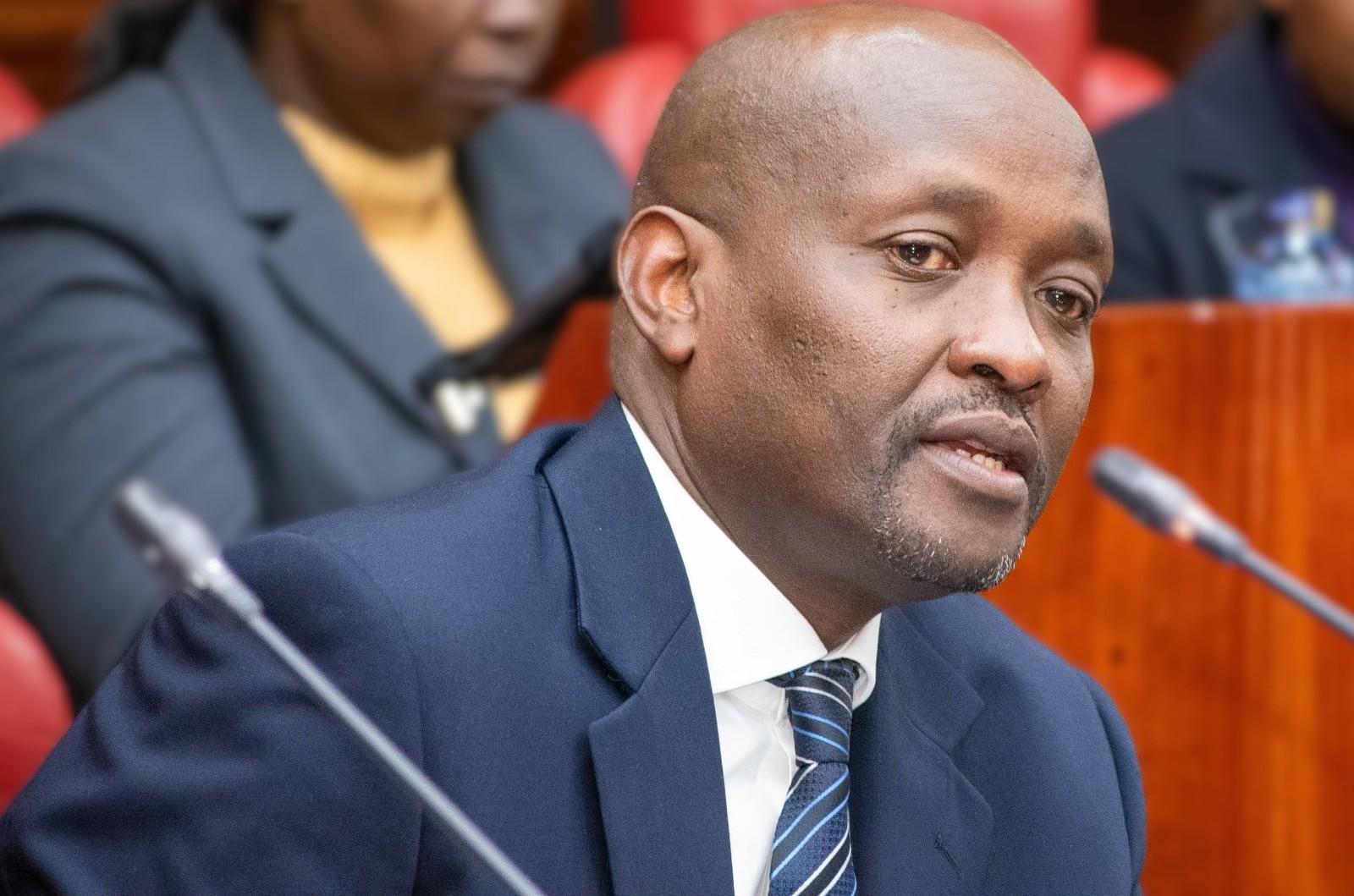
The Higher Education Loans Board has taken drastic action against persistent loan defaulters by blacklisting over 64,000 former beneficiaries with Credit Reference Bureaus, effectively barring them from accessing future credit facilities including bank loans and mortgages.
This unprecedented move comes as the government agency grapples with a staggering Sh32 billion in unpaid student loans owed by approximately 300,000 former students, threatening the sustainability of Kenya’s flagship higher education financing scheme.
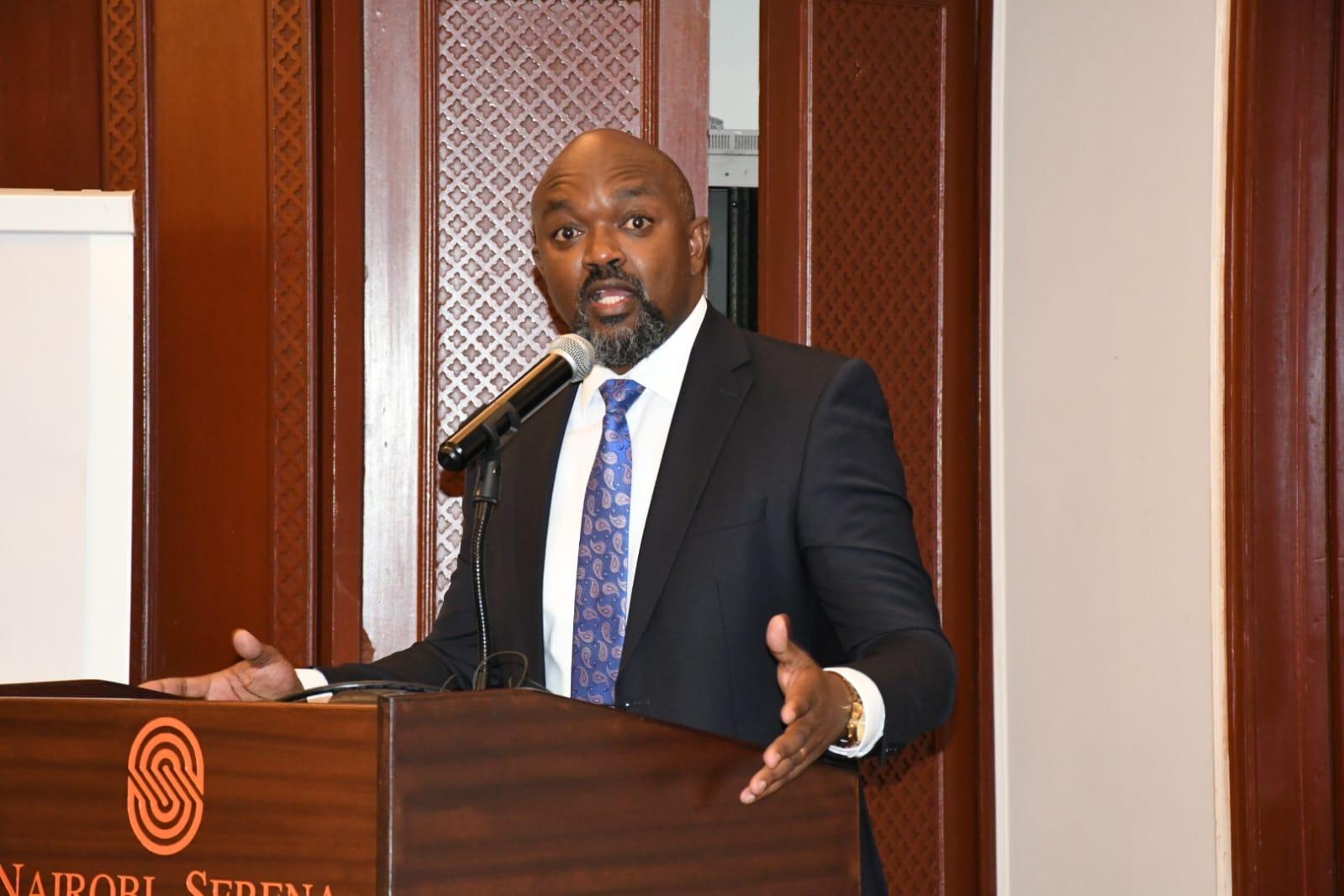
HELB Chief Executive Officer Geoffrey Monari revealed that the agency has advanced Sh195 billion in student loans over the past three decades, with the funds supporting tuition, meals, and textbooks for thousands of students from disadvantaged backgrounds.
However, poor repayment rates have forced the board to adopt stringent recovery measures.
“Last year alone, we collected Sh5.2 billion, which supported 50,000 university students and 114,000 students in technical and vocational training institutions,” Monari said, emphasizing the critical role of loan recoveries in sustaining the revolving fund model.
The HELB system operates on the principle that money recovered from past beneficiaries is channeled back to support current students.
With over 708,000 students enrolled in Kenyan universities and more than 100,000 graduating annually, consistent repayments are vital for the scheme’s viability.
The agency has identified three distinct categories of defaulters. The first comprises graduates in stable employment who have deliberately refused to honor their obligations.
The second group includes those earning minimal incomes who struggle to make consistent payments, while the third consists of willing borrowers who lack awareness of the repayment process.
“If someone is surviving on Sh5,000 a month in a casual job, it is unfair to expect consistent loan repayment,” Monari acknowledged. “But we are encouraging even small, regular contributions to keep their accounts active.”
The unemployment crisis has compounded the repayment challenge, with many graduates trapped in cycles of job hunting while repayment demands loom over their heads.
Harrison Okumu, a 25-year-old graduate from a public university, epitomizes this struggle.
“I want to pay, but without a stable job, it’s just impossible,” said Okumu, who completed his studies two years ago.
To address the mounting crisis, HELB has implemented a comprehensive recovery strategy. The board conducted 236 employer inspections this year and billed 28,000 past students who had not commenced repayments.
Additionally, the agency is pursuing defaulters through debt collectors and guarantors, with some cases dating back two decades.
The board has also established a self-protection fund, setting aside 0.037 percent of every loan to cover beneficiaries who die before completing repayments. So far, approximately 2,000 borrowers have died with outstanding loans.
International collections have emerged as a promising revenue stream, with HELB partnering with the Ministry of Foreign and Diaspora Affairs to pursue graduates working overseas.
Last year’s efforts yielded Sh100 million in collections, while Sh20 million has been recovered from diaspora repayments in the current financial year.
“It’s a promising stream, and we want more Kenyans abroad to honor their obligations,” Monari stated.
The agency faces additional challenges from employers who deduct loan repayments from graduates’ salaries but fail to remit the funds to HELB.
Currently, employers owe the board Sh34 million in unremitted deductions, prompting legal action through the Attorney-General’s office.
HELB is pushing for legislative reforms to strengthen compliance mechanisms.
Proposed amendments include freezing bank accounts of graduates who are able but unwilling to pay, and imposing penalties on employers who deduct but fail to remit loan payments.
To balance enforcement with compassion, HELB periodically runs penalty waiver campaigns, allowing defaulters to settle principal loans without accumulated fines.
The agency describes this approach as using both “carrot and stick” methods to ensure fund sustainability.
“Waivers are a carrot, while blacklisting is the stick,” Monari explained. “We are balancing both approaches to ensure the sustainability of the fund.”
For many students from low-income backgrounds, government loans represent the only pathway to higher education.
However, the mounting default crisis threatens to undermine this critical support system for future generations.
“Without repayment, the bridge weakens for the next generation,” Monari warned, highlighting the broader implications of the current crisis for Kenya’s human capital development agenda.
The blacklisting of defaulters marks a significant escalation in HELB’s collection efforts and serves as a stark warning to current and future beneficiaries about the consequences of failing to honor loan obligations.
As the agency continues to balance recovery efforts with social considerations, the sustainability of Kenya’s higher education financing model hangs in the balance.




Comments