
Sci & Tech
Cybersecurity Firm Avast Collects And Sells Your Personal Data Via Their Free Antivirus Program

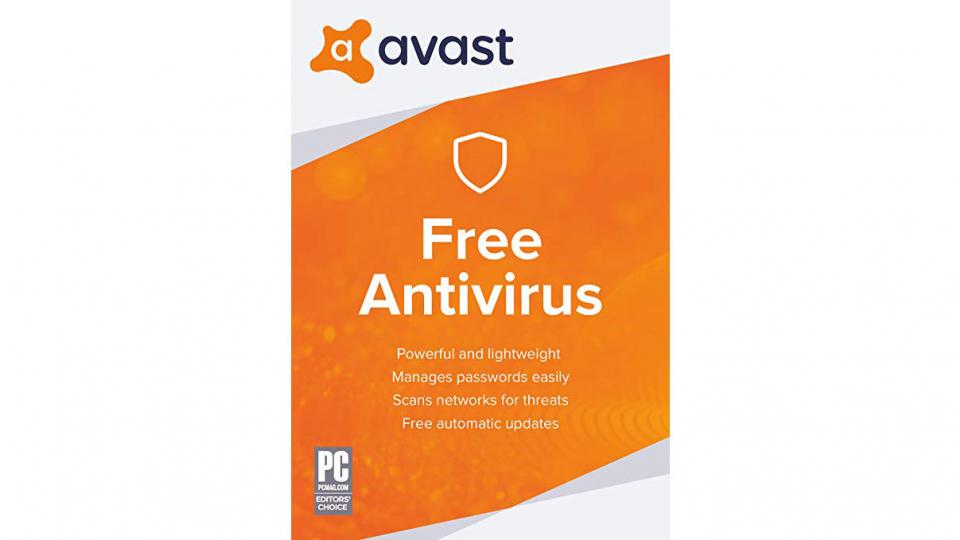
Cheap is great, free will cost you. Czech cybersecurity firm Avast Software s.r.o which owns popular free products such as Avast Antivirus and its subsidiary AVG is reportedly selling your web browsing data via a subsidiary called Jumpshot. This means that users who thought they were using freeware have in real sense been paying with their data.
Investigations were initiated jointly by Vice’s Motherboard and PCMag after Adblock Plus creator Wladimir Palant reported in October, 2019 that the Avast Online Security Extension as well as the AVG Secure Browser spy on users, harvesting their information.
Palant claimed that user information—which included a unique user ID, the page you visited, whether you’d visited that page before, and other information— was being provided to third parties, and suggested that Jumpshot could be a possible destination. (Avast acquired Jumpshot in 2013, and a statement on the company’s website says that it “provides insights into consumers’ online journeys by measuring every search, click and buy across 1,600 categories from more than 150 sites, including Amazon, Google, Netflix, and Walmart.”).
Jumpshot subsidiary has relationships with firms like Google, Pepsi, Microsoft, and Home Depot. PCMag and Motherboard managed to gain access to internal documents and a sample of data from Jumpshot, and they found Avast is tracking user clicks down to the second. Here’s an example of Jumpshot’s data format.
Device ID: abc123x Date: 2019/12/01 Hour Minute Second: 12:03:05 Domain: Amazon.com Product: Apple iPad Pro 10.5 – 2017 Model – 256GB, Rose Gold Behavior: Add to Cart
In above example, details of someone making a purchase on Amazon.com, including the exact time they hit add to cart including the specific product has been provided.
Previously, Avast had claimed that the data sold has been “de-identified” and hence can’t be used to personally identify users, the investigation found that the anonymized data can be linked to individual users by matching user actions. “The data is fully de-identified and aggregated and cannot be used to personally identify or target you,” Avast told users who would then opt-in to data collection program.
There is an old saying: When you’re not paying for the product, you’re the product. such is the case here, beware of the amount of freeware you install.
Kenya Insights allows guest blogging, if you want to be published on Kenya’s most authoritative and accurate blog, have an expose, news TIPS, story angles, human interest stories, drop us an email on [email protected] or via Telegram


Shiquo Hii Style Store Was Not Raided, Anti-Counterfeit Authority Confirms; Says Influencer Used Empty Shelves for Content as She Relocates

Treasury CS Mbadi Unveils Sh4.8 Trillion Budget Estimates

Fraud, Misrepresentation and A Decade Of Evasion: How Indo Africa Finance Pocketed Sh150 Million Youth Funds and Fought To Keep Every Cent

Kenya Picks Chinese Firm For Sh375 Billion JKIA Upgrade Project After Adani Fallout

The President’s Daughter and The Missing Witness: How Adut Salva Kiir’s Shadow Treasury Silenced Its Most Dangerous Critic

Kisii Under Siege: Governor Arati’s Wife Accused of Hijacking IFMIS and Running a Parallel Government

Al-Shabaab Issues Statement Defending Omar Artan, Accuses U.S. of Discrimination After Referee’s Deportation

Netanyahu To Run For Re-Election, His Party Says, After Trump Raises Doubts

US Cracks Down on Birth Tourism Schemes

Microsoft Limits Employee Use Of Anthropic’s Claude Fable 5 Over Data Retention Concerns, The Verge Reports

Cement, Cash and Courts: How the Hashu Dynasty Crushed the Ramji Brothers for Fourteen Years and Why the Walls Are Now Closing In

Inside The Urban Planning Cartel That Owns Nairobi

Why Ruto’s Favourite Candidate Adan Mohammed Could Be Locked Out of the KRA Top Job

Standard Chartered Ghosts Haunt Joshua Oigara At Stanbic As Whistleblower Spills Beans

LifeCare on the Brink: SHA Fraud, Stolen Wages, and the Rotten Empire Jayesh Saini Built

Inside NCBA’s Decline: How a Banking Giant Lost Its Strategic Edge

Betika Faces DCI Probe, Directors Arrest and License Revocation Over Massive 29.5 Million Safaricom Customers’ Data Breach

Este Medical Kenya Fights American’s Explosive Complaints

Fresh Move Launched to Remove Kenya Railways MD Mainga From Office After Awarding Sh817 Million Consultancy Contract

The Rot Inside Absa: How Bank Insiders Are Looting Nairobi’s Customers
-
 Investigations7 days ago
Cement, Cash and Courts: How the Hashu Dynasty Crushed the Ramji Brothers for Fourteen Years and Why the Walls Are Now Closing In
-
 Investigations6 days ago
Inside The Urban Planning Cartel That Owns Nairobi
-
 Business17 hours ago
Standard Chartered Ghosts Haunt Joshua Oigara At Stanbic As Whistleblower Spills Beans
-
 Business2 days ago
Inside NCBA’s Decline: How a Banking Giant Lost Its Strategic Edge
-
 Investigations2 weeks ago
Betika Faces DCI Probe, Directors Arrest and License Revocation Over Massive 29.5 Million Safaricom Customers’ Data Breach
-
 Investigations7 days ago
Fresh Move Launched to Remove Kenya Railways MD Mainga From Office After Awarding Sh817 Million Consultancy Contract
-

 News2 weeks ago
Eight Students Arrested In Kenya After Suspected Deadly School Arson Attack
-

 News2 weeks ago
How Uhuru’s Deal With Obama In 2015 Paved Way For America’s Ebola Plan In Kenya