
News
“Matatus” In Kenya, And How They Got Their Name

Below is an image of a ten cents Kenyan coin issued in 1971, and below the image, is an article on how the ten cents coin of those times gave “Matatus” in Kenya their name:
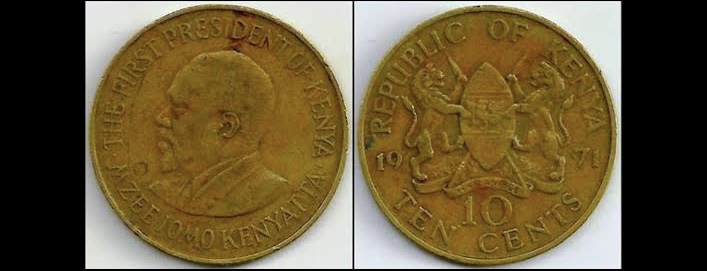
Coins.
Above is an image of a ten cents Kenyan coin issued in 1971. There were also five cents coins in Kenya in those days, and the Central Bank of Kenya withdrew both ten cent coins and five cents coins from circulation, around the year 1998, after both lost value to the point that they were unable to make
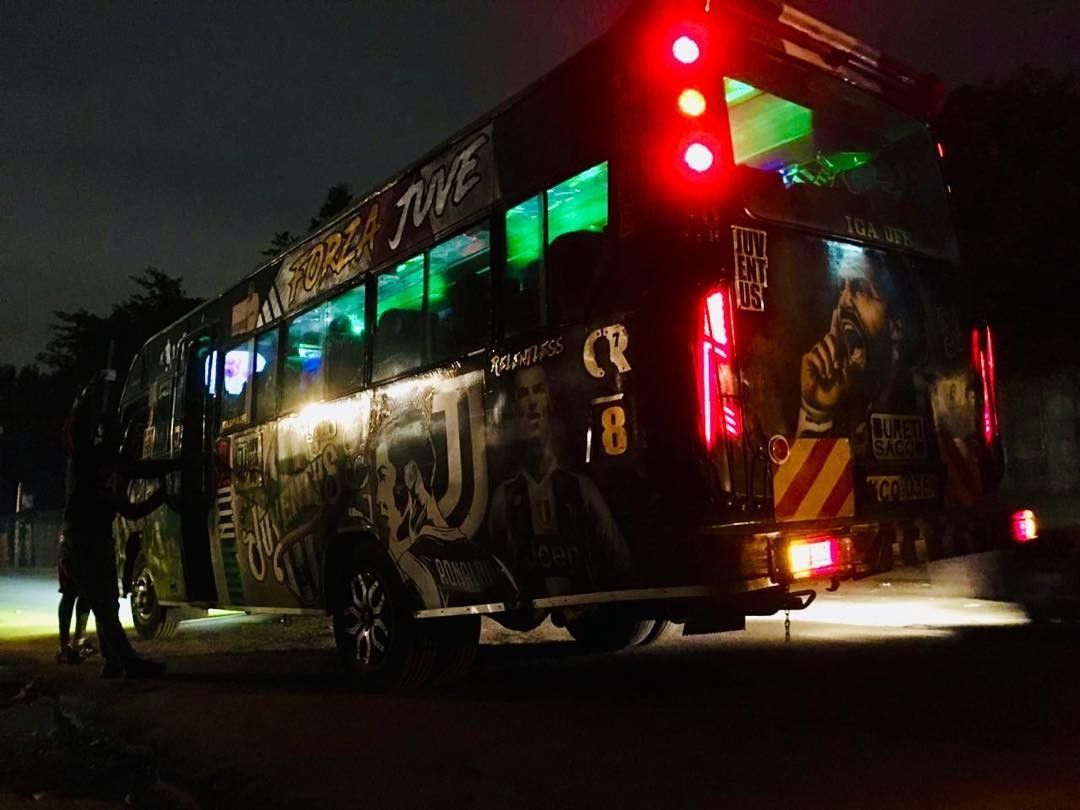
purchases of any kind. “Matatus” are Kenyan public transport mini-buses, and “Matatus” derive their name from the ten cent coin above.
When “Matatus” became a key mode of transport in the City of Nairobi around the mid 1960s, they charged a fare of 30 cents on all city routes, in other words, three 10 cent coins on all city routes. Many of the Kenyan public transport mini-buses in those days were owned by individuals from Kenya’s Kikuyu community, and Kikuyus in those days, referred to a ten cent coin as “I’Ngotore,” the plural of ten cent coins being “Ma’Ngotore,” so when crews would beckon for passengers back in those days, they would call out, as the fare charged,
“Ma’Ngotore Ma Tatu,” in other words, “The fare is 30 cents,” out of which, all Kenyan public transport mini-buses started being referred to as “Matatu,” in other words, “those vehicles that charge 30 cents on all routes.”
There was pressure on President Jomo Kenyatta’s Government, from bus companies of those times, such as Kenya Bus Services Limited, Gathanga Success and Akamba Bus Services Limited, to ban “Matatus,” on the basis that “Matatus” benefited from unfair business practises, which is why they were able to to charge 30 cents on all routes. This was also before the Arab Oil Embargo of 1973 by Arab Member Countries of the Organisation of Petroleum Exporting Countries (OPEC), against countries that supported Israel against Egypt in the Yom Kippur War of 1973, Kenya being one
of those countries.
Israeli Army General, Brig. Gen. Ariel “Arik” Sharon (1928 to 2014), Prime Minister of Israel from 2001 to 2006, led Israel against Egypt in the Yom Kippur War of 1973, making him a hero in Israel, and leading to his becoming Israeli Prime Minister twenty-eight years later in 2001. There was a sharp increase in petroleum prices in Kenya in 1973 as a consequence of the said Arab Oil Embargo of 1973. In other words, one of the reasons ‘Matatus” in Kenya were able to charge low fares, before the year 1973, was lowly priced petroleum.
Another reason was that “Matatus” did not pay taxes to Local Government Authorities, nor to the Central Kenya Government, a key reason cited back then by the mentioned bus companies, regarding unfair advantages that “Matatus” had over bus companies of those times. “Matatus” are actually one of the reasons that eventually led to closure of Kenya Bus Services Limited, around the year 2000.
Kenya Insights allows guest blogging, if you want to be published on Kenya’s most authoritative and accurate blog, have an expose, news TIPS, story angles, human interest stories, drop us an email on [email protected] or via Telegram




Ahmednasir Refuses Return to Supreme Court Despite Ban Lift

Your Excellency! How Ida’s New Job Title From Ruto’s Envoy Job Is Likely to Impact Luo Politics Post Raila

Minnesota Fraud, Rice Saga, Medical Equipment Deal: Why BBS Mall Owner Abdiweli Hassan is Becoming The Face of Controversial Somali Businessman in Nairobi

Kenya Stares At Health Catastrophe As US Abandons WHO, Threatens Billions In Disease Fighting Programmes

President Ruto Nominates Ida Odinga as Kenya’s Ambassador to UNEP

30 Killed in Uganda Post-Election Crackdown

Somaliland President Pitches Business Deals To Trump’s Son Eric

Supreme Court Lifts Ban on Ahmednasir After Fiery Lawyer Pledges to End Attacks

DCI Probes Meridian Equator Hospital After Botched Procedure That Killed a Lawyer

Katwa Kigen, IPOA Chair Issack Hassan Among 15 Nominated For Court Of Appeal Judges

Billions Stolen, Millions Laundered: How Minnesota’s COVID Fraud Exposed Cracks in Somali Remittance Networks

US Moves to Seize Luxury Kenya Properties in Sh39 Billion Covid Fraud Scandal

Julius Mwale Throws Contractor Under the Bus in Court Amid Mounting Pressure From Indebted Partners

MAINGA CLINGS TO POWER: Kenya Railways Boss Defies Tenure Expiry Amid Corruption Storm and Court Battles

Inside Nairobi Firm Used To Launder Millions From Minnesota Sh39 Billion Fraud

Eastleigh Businessman Accused of Sh296 Million Theft, Money Laundering Scandal

Pastor James Irungu Collapses After 79 Hours Into 80-Hour Tree-Hugging Challenge, Rushed to Hospital

Unfit for Office: The Damning Case Against NCA Boss Maurice Akech as Bodies Pile Up

Most Safaricom Customers Feel They’re Being Conned By Their Billing System

Tax Payers Could Lose Millions in KWS Sh710 Insurance Tender Scam As Rot in The Agency Gets Exposed Further
-

 Business4 days ago
betPawa Empire Crumbles: Mr Eazi’s Betting Gambit Unravels Amid Partner’s Shadowy Deals
-

 Investigations1 week ago
KERRA Homa Bay Region Manager Calvince Thomas Accused of Swindling Businessman Ksh 2 Million in Phantom Tender Deal
-

 Business5 days ago
KRA Boss Humphrey Watanga In Big Trouble In Sh5.5 Billion Rice Import Scandal
-

 Business1 week ago
Treasury’s Sh40 Billion Safaricom Gamble Could Cost Kenya Trillions, Auditor Warns
-
 News3 days ago
Auditor-General Exposes Brazen Corruption at Kenya Roads Board, Sends Management into Panic
-

 Business3 days ago
State Set to Demolish Pastor Ng’ang’a’s Church in Sh28 Billion Railway City Push
-

 Business5 days ago
How Air Ticketing Firm Was Targeted and Hacked in Sh22 Million Scam
-
 News4 days ago
Nightmare at Sea: 22 Crew Members Trapped on Ghost Ship Off Kilifi as Owner Vanishes With Sh2 Million in Wages