
In a rare spiritual convergence not witnessed in more than three decades, Muslims and Christians across the globe will begin their sacred seasons of fasting on the same day this Wednesday, February 18.
For Christians, the day marks Ash Wednesday, the beginning of Lent, a 40-day period of prayer, fasting and reflection leading up to Easter on April 5. Muslims will simultaneously start Ramadan, the ninth and holiest month in the Islamic calendar, based on the sighting of the new crescent moon anticipated on Monday, February 17.
This extraordinary alignment results from the overlap of lunar and solar calendars, with scholars noting that such a precise coincidence last occurred in the early 1990s. The next similar occurrence is not expected until the late 2050s.
Religious leaders from both faiths have embraced the convergence as a divine opportunity for interfaith dialogue and mutual understanding.
“Maybe it’s God’s plan for Muslims and Catholics to begin fasting together,” said Lillian Japanni, Executive Secretary of the Catholic Justice and Peace Department for the Archdiocese of Mombasa. “We should see this as a unique opportunity for interfaith dialogue and shared community reflection.”
Lent commemorates the 40 days Jesus spent in the wilderness before starting his ministry. For Catholics, the season includes fasting on Ash Wednesday and Good Friday, as well as abstaining from meat on all Fridays of Lent. Adults aged 18 to 59 are obligated to fast, while those from 14 years should abstain from meat. The Church teaches that Lent is also a period for prayer, works of charity and spiritual conversion in preparation for Easter.
Ramadan, meanwhile, commemorates the month in which Prophet Muhammad received the Quranic revelations from the archangel Gabriel. The holy month is expected to run from February 18 to March 19 and involves daily fasting from dawn to sunset.
“Ramadan is one of the most important observances in Islam and one of the Five Pillars,” explained Muslim cleric Sheikh Mohamed Khalifa. “All Muslims, except the very young, very old, pregnant or travelling are required to fast daily, abstain from sex and avoid wrongdoing from sunrise to sunset.”
Sheikh Khalifa noted that the convergence of Lent and Ramadan this year is a reminder of shared humanity and a call for peace, empathy and understanding. He urged authorities to provide security, noting that prayers often take place late at night.
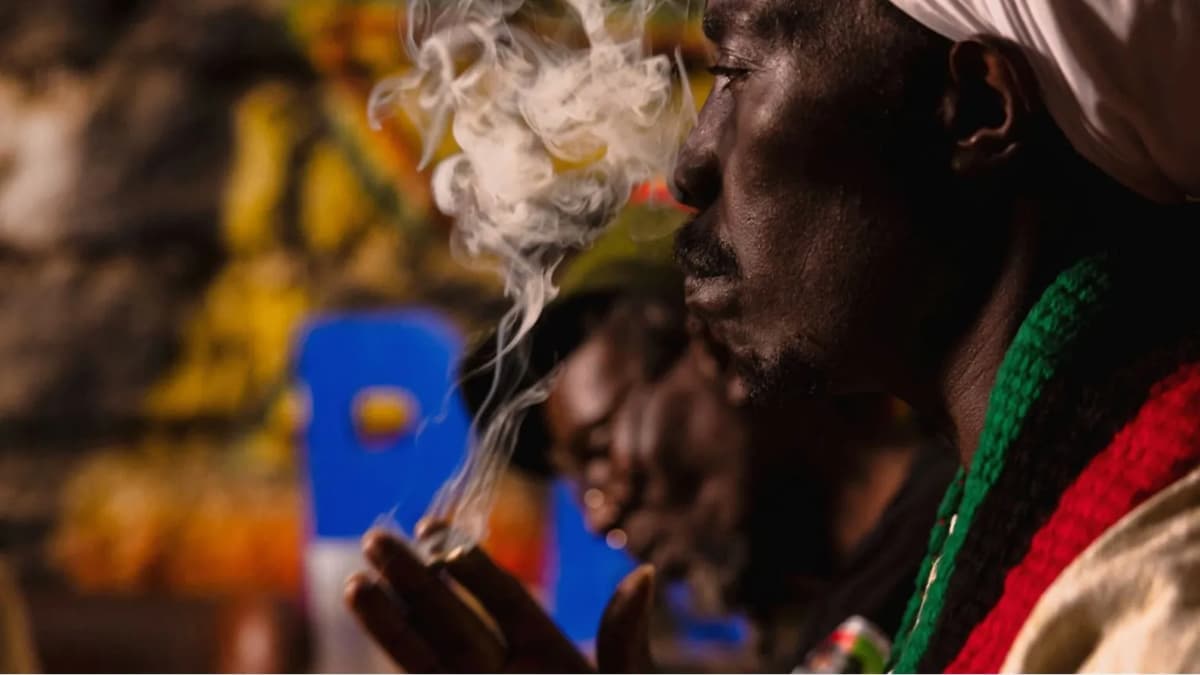
During Ramadan, Muslims abstain from all food, drink, smoking and sexual activity from dawn until sunset every day. Before dawn, believers eat suhoor, a pre-fast meal, and at sunset they break the fast with iftar, traditionally beginning with dates and water followed by a full meal.
In addition to fasting, Muslims intensify prayers and recitation of the Quran, seeking greater devotion and God consciousness. Special nightly prayers called taraweeh are held at mosques after the Isha prayer, often involving sequential recitation of the entire Quran over the month.
Charity is strongly emphasised during Ramadan. Zakat al-Fitr is a required almsgiving given at the end of Ramadan to ensure all can celebrate the concluding festival, Eid al-Fitr, and Muslims are encouraged to give additional charity and help the needy throughout the month.
In the Philippines, Bishop Jose Colin Bagaforo of Kidapawan, chairman of the Commission on Interreligious Dialogue of the Catholic Bishops’ Conference, described the convergence as a grace that invites believers to prayer, repentance and concrete action for peace, justice and care for the environment.
“Fasting opens our eyes to suffering and enlarges our compassion,” Bishop Bagaforo said. “Love of God is proven in love of neighbour, especially the poor and the forgotten. As Jesus teaches, what we do for the least, we do for God. The Prophet Muhammad likewise taught that the best among us are those who do good for others.”
Religious leaders across continents have called on their communities to use this rare moment to strengthen interfaith solidarity. In Nigeria, Christian and Muslim leaders urged believers to promote love, unity and tolerance, emphasising that both faiths share values of compassion, justice and peaceful coexistence.
In Kenya, preparations for Ramadan have been underway, with the National Treasury approving waivers on Import Declaration Fee and Railway Development Levy for dates imported for Ramadan, easing access for the Muslim community. The facilitation applies from February 12 to March 20.
In towns with large populations of both Muslim and Christian faithful, business is expected to slow, particularly in eateries. Some hotel owners are already seeking alternative ways to utilise the period.
“I will have to close down for a month for renovations since there will be no business,” said Albert Mwaghesha, a hotel owner in Tudor, Mombasa.
The convergence has also inspired educational institutions and interfaith organisations to organise panel discussions and joint events focused on the spiritual significance of fasting across traditions. Boston University’s Marsh Chapel and Institute on Culture, Religion and World Affairs hosted a panel discussion on fasting and spirituality, bringing together chaplains from both faiths to discuss the ritual of food restriction and its role in spiritual life.
Despite their different origins and practices, both Lent and Ramadan emphasise self-discipline, charity and empathy for those less fortunate. Religious scholars note that while Christian Lent is a time of penance, Ramadan is seen as a time of joyful worship of God, with every night after sunset marked by celebratory iftar meals.
The overlap has emerged as a powerful symbol in an era of geopolitical tensions and sectarian strife, with faith leaders urging believers to focus on shared values rather than differences.
“In a world marked by violence and division, this moment calls us not only to pray for peace but to live it and work for it,” Bishop Bagaforo said. “True peace is not built by weapons. It is built through trust, justice, dialogue and shared responsibility.”
As both communities embark on their spiritual journeys this Wednesday, the message from religious leaders across the globe is clear: this rare alignment offers a sacred moment to recognise shared humanity, deepen mutual understanding and work together for peace and justice in a divided world.






Comments