
Opinion
Wehliye: How The Goverment, CBK And Commercial Banks Working Together Can Salvage The Economy From Covid-19 Pandemic

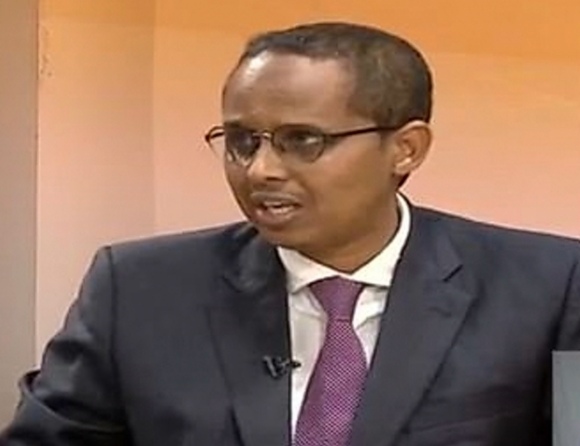
By Mohamed Wehliye
Along with dealing the health issues, the highest urgency lies in securing the funding to businesses. The government, the central bank & the commercial banks should come together and play a key role in mitigating the long term economic damage of this health crisis.
Covid-19 is a health crisis that has also serious economic consequences. Many countries are dealing with the health problems but are at the same time trying to minimize the impact on the economy now & once the health issues are dealt with.
In the last 2 months or so, I have been involved in designing Fiscal impulse, Deferral & Liquidity/Gurantee programs meant to respond to the Covid-19 crisis. In the process, I have looked at the various programs adopted by different countries (of different sizes & capacity).
In my opinion, the best programs to support the economy are those that are designed in such a way that there is risk sharing by governments through guarantee schemes & enlisting the banks to lend, using central & commercial bank funding for lending.
Unless we put in place a well designed & effective private sector stimulus program, the economy will likely not recover & that will have serious ramifications for the country- debt, jobs, security etc. Remember, our economy needed jump starting even before Covid-19.
Let the GoK put together a KES 100 billion loans to SMEs gurantee program to provide low cost funds at an attractive interest rate relative to the cost of funding for comparable maturities) for the SMEs. This will be money worth spent as investment in SMEs now = taxes tomorrow.
The National Treasury can partner with EIB/WB to provide lenders with a guarantee of 90% on each loan to give lenders further confidence in continuing to provide access to affordable finance to SMEs. The lender’s participation in the credit risk sharing shall be 10%.
The funding? KES 50 billion from the reserves released by CBK back to the banks & KES 50 billion from participating lenders. This way, the lenders will be getting a 50% discount on funding (the other 50% is money they had no access to) but assuming only 10% of the credit risk.
Because almost all the credit risk has been taken away from the banks, interest rate for these loans should be at max 5%. Remember the reserves will be like new money at 0% to the banks & as such cost of funds for these loans should be low.
Limit loan size to max 50m per customer so that as many SMEs (and as small) as possible can take advantage. Loan tenure of max 5 years and a grace period of 6 months for interest & principal requirements.
Facility should be available to viable businesses & should target specific sectors that are critical to the economy and where a lot of the employment is. Hospitality, Horticulture, Trade & Service, Public transport, Food & the food chain etc.
To manage risk of moral hazard, directors of these companies can be asked to also sign personal guarantees. Other risk management measures to prevent abuse of this cheap access to funds should be put in place.
It is in the interest of the banking sector that they support measures to save businesses and stimulate the economy. Otherwise, the credit risk that is building up in the system and the probable many years of recession will eventually also kill their own businesses.
Kenya Insights allows guest blogging, if you want to be published on Kenya’s most authoritative and accurate blog, have an expose, news TIPS, story angles, human interest stories, drop us an email on [email protected] or via Telegram


Somalia’s Disputed President Allegedly Siphons Up to $6 Million Monthly from Kenyan Miraa Trade, Sharing the Spoils with Nairobi’s Shadow Cartels

Ahmed Adan Hefow: Governor Otuoma’s Trusted Right-Hand Man at the Centre of Busia’s Deepening Finance Scandal

Karua Detained at Entebbe as Uganda Blocks Besigye Lawyer From Entering Country

How KCB and Airtel Turned Kenya’s Unbanked Into a Data Goldmine Behind a ‘Financial Inclusion’ Deal

The Chivayo Network: How a Convicted Fraudster Won Access to Presidents, Passports and Billion-Dollar Deals Across Africa

BURRIED TWICE: The Victoria Bank CEO Yogesh Pattni Files

Court Stops Transfer Of EABL Shares To Asahi By Diageo In A Fresh Snag

Death Before Justice: Stephen Ngei, Victim of Sh180 Million Laptop Tender Scam Linked to Allan Chesang, Killed in Highway Crash

Court Brands Sh1.1 Billion Fee Demand by Lawyer Victor Swanya “Excessive and Exorbitant,” Exposes How City Hall Lets Public Money Bleed Through Legal Bills

Trump Unveils New Air Force One

Businessman Philip Waithaka Kinuthia’s Minor Son Allegedly Drove Drunk, Killed Two Peponi Students in Ngong Road Horror Crash as Claims of Cover-Up Intensify

Inside NCBA’s Decline: How a Banking Giant Lost Its Strategic Edge

Cement, Cash and Courts: How the Hashu Dynasty Crushed the Ramji Brothers for Fourteen Years and Why the Walls Are Now Closing In

Standard Chartered Ghosts Haunt Joshua Oigara At Stanbic As Whistleblower Spills Beans

South Sudan: Adut Salva Kiir’s Shadow Treasury Exposed

Inside The Urban Planning Cartel That Owns Nairobi

THE VULTURE AND THE SCHEME How Nairobi West Hospital Became the Most Dangerous Institution in Kenya’s SHA Ecosystem and Why the Books Must Be Audited Now

The President’s Daughter and The Missing Witness: How Adut Salva Kiir’s Shadow Treasury Silenced Its Most Dangerous Critic

How Adil Popat Saved His Empire On The Eve Of Imperial Bank Collapse and Why Kenya’s Mainstream Media Buried The Story

Why John Ngumi Is Running From the EACC and Why the Sh415 Million Payday May Be the Least of His Worries
-
 News1 week ago
Businessman Philip Waithaka Kinuthia’s Minor Son Allegedly Drove Drunk, Killed Two Peponi Students in Ngong Road Horror Crash as Claims of Cover-Up Intensify
-
 Business2 weeks ago
Inside NCBA’s Decline: How a Banking Giant Lost Its Strategic Edge
-
 Business2 weeks ago
Standard Chartered Ghosts Haunt Joshua Oigara At Stanbic As Whistleblower Spills Beans
-
 Africa2 weeks ago
South Sudan: Adut Salva Kiir’s Shadow Treasury Exposed
-
 Investigations4 days ago
THE VULTURE AND THE SCHEME How Nairobi West Hospital Became the Most Dangerous Institution in Kenya’s SHA Ecosystem and Why the Books Must Be Audited Now
-
 Africa2 weeks ago
The President’s Daughter and The Missing Witness: How Adut Salva Kiir’s Shadow Treasury Silenced Its Most Dangerous Critic
-
 Business2 weeks ago
How Adil Popat Saved His Empire On The Eve Of Imperial Bank Collapse and Why Kenya’s Mainstream Media Buried The Story
-
 Business2 weeks ago
Why John Ngumi Is Running From the EACC and Why the Sh415 Million Payday May Be the Least of His Worries