
Economy
Running on Empty: South Sudan Is Out of Foreign Exchange Reserves

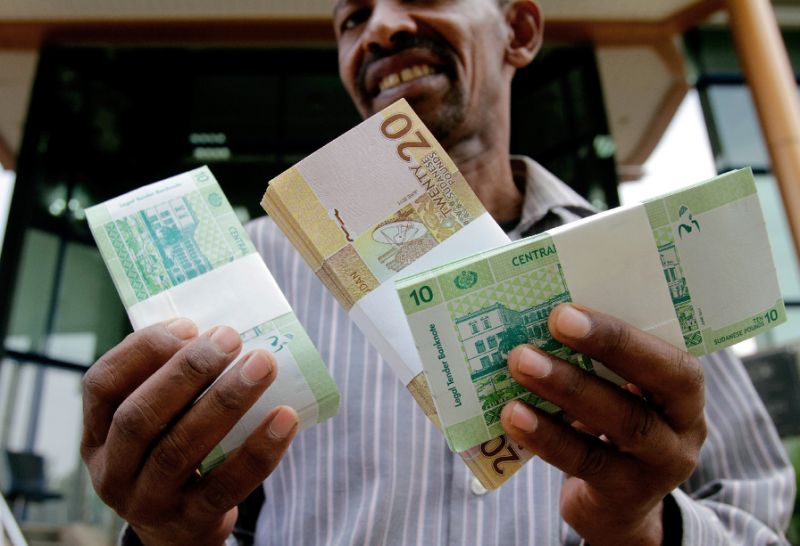
South Sudan, battered by years of conflict and corruption, has run out of foreign exchange reserves and cannot stop the pound’s depreciation, a senior central bank official in the oil-producing nation said on Wednesday.
South Sudan gets almost all of its revenue from crude oil, but current output, at about 180,000 barrels per day (bpd), has plummeted from a peak of 250,000 bpd before the outbreak of conflict in 2013, according to official figures.
“It is difficult for us at the moment to stop this rapidly increasing exchange rate, because we do not have resources, we do not have reserves,” Daniel Kech Pouch, the bank’s second deputy governor, told a news conference.
South Sudan has three exchange rates – one from the central bank, from commercial banks, and from the unofficial market. Pouch said the rate for the pound from the central bank is 165 a dollar, from commercial banks about 190, and 400 from the parallel market.
In addition to lower oil production, corruption is also driving the crisis, said Brian Adeba, the deputy director of policy at United States-based watchdog The Sentry, which has released several reports documenting high-level corruption. The government has denied the findings.
“For a long time, egregious corruption and the deliberate destruction of institutional mechanisms for checks and balances have resulted in officials using the central bank as their personal ATM, so this [running out of foreign exchange] is not surprising,” Adeba told the Reuters news agency.
South Sudan ended five years of civil war in 2018 but disagreements between President Salva Kiir and First Vice President Riek Machar, who led the main rebel group, have stalled the conclusion of the peace process.
The war – marked by ethnic cleansing, extreme sexual violence and pockets of famine – displaced around a third of the population from their homes. The conflict killed an estimated 400,000 people and created Africa’s biggest refugee crisis since the 1994 genocide in Rwanda.
“The Bank of South Sudan and ministry of finance have created serious economic blunder by taking out the SSP reserve from the treasury and giving it to businessman … This is dangerous for the peace agreement because it will create fear,” said James Okuk, researcher at the Juba-based Center for Strategic and Policy Studies.
Kenya Insights allows guest blogging, if you want to be published on Kenya’s most authoritative and accurate blog, have an expose, news TIPS, story angles, human interest stories, drop us an email on [email protected] or via Telegram


Inside Nyayo House: The Kitchen Cartel That Demands Sh100,000 for a Stove

JSC Rot: “Why I Paid Over Sh4 Million for a High Court Slot” — Explosive Claims by ‘Incoming Judge’

Fly 748 Is Back And Flies You To Mombasa From Just Sh6,500

KRA Introduces WhatsApp Tax Filing and How It Works

Trump Says Iran War Almost Over, Warns Of Weeks More Heavy Strikes

Sold And Abandoned: How Diageo and Asahi Are Locking Kenya’s EABL Minority Shareholders Out Of East Africa’s Biggest Corporate Heist

Treasury Hands Sh358M Brief to Eric Gumbo’s Firm While Bypassing Standard Rules — and the Lawyer Is Already Deep Inside Ruto’s State Machine

Understanding Crash Betting: How It Works and What to Know Before You Play

How Firm Linked To Mombasa Tycoon Jaffer Was Allowed To Import Fuel At Bloated Price And Set To Make Billions In Profits From Iranian War Crisis In Kenya

‘A Million Things Could Go Wrong’ – Why Seizing Iran’s Uranium Would Be So Risky For The US

Tuju Forcefully Removed From His Karen Property With Masked Officers In Unmarked Vehicles In Early Morning Raid

Nowhere To Hide: Govt Begins Tracing Hustler Fund Defaulters Using National IDs To Recover Unpaid Sh12 Billion

How Little-Known Pesa Print, Linked to State House Tycoons, Won NTSA Tender Worth Sh42 Billion in Traffic Fines

Named: Havi Says Mutava Confessed He Was Collecting The Bribe For Lady Justice Josephine Mongare, So Why Is JSC Still Silence?

Ex-Inchcape Kenya CEO Sanjiv Shah Charged With Bank Fraud

The Man With The Golden Pen: How NLC’s Joel Ombati Is Accused Of Masterminding Kenya’s Biggest Infrastructure Land Heist

THE HANDSHAKE THAT BECAME A NOOSE: How Tuju’s Alleged Intimate Access to EADB’s Yeda Apopo Produced a Sh294 Million Deal With No Written Contract, and Why That Trust Destroyed an Empire

‘They Will Eat You Alive’: Retired Teacher Warns Against Bashy African Credit as Sh500,000 Loan Spirals Into Sh1.5 Million Fight

Waweru’s Bank Pockets Sh1.16 Billion from KPC IPO While Ordinary Kenyans Fled the Sale

Men Linked to Akasha Drug Dynasty Charged With Death Threats and Assault at Nairobi Nightclub
-
 Business1 week ago
THE HANDSHAKE THAT BECAME A NOOSE: How Tuju’s Alleged Intimate Access to EADB’s Yeda Apopo Produced a Sh294 Million Deal With No Written Contract, and Why That Trust Destroyed an Empire
-
 News7 days ago
Men Linked to Akasha Drug Dynasty Charged With Death Threats and Assault at Nairobi Nightclub
-

 News7 days ago
City Lawyer Kimani Wachira Caught Up In Bribery Web Fights Claims
-

 Business2 weeks ago
Big Shame: EY and PwC Found Guilty of Fraud and Corruption in Kenya as World Bank Bans Lay Bare Scandal Inside the Global Audit Elite
-
 Investigations2 weeks ago
Is Equity Bank Becoming A Fraudsters’ Den?
-
 Business3 days ago
THE BANK THAT BROKE THE TRUCKER: How NCBA’s Asset Financing Empire Is on Trial Before London’s Most Feared Arbitral Tribunal
-
 Investigations1 week ago
American Couple Busted in Multimillion Tax Evasion as KRA Crackdown Exposes Smuggling Syndicate Involving Senior Officials
-
 Business2 weeks ago
HOLD THE PUMP: Kenya’s Petroleum Dealers Threaten National Blackout Unless EPRA Breaks Its Own Rules And Hike Fuel Prices