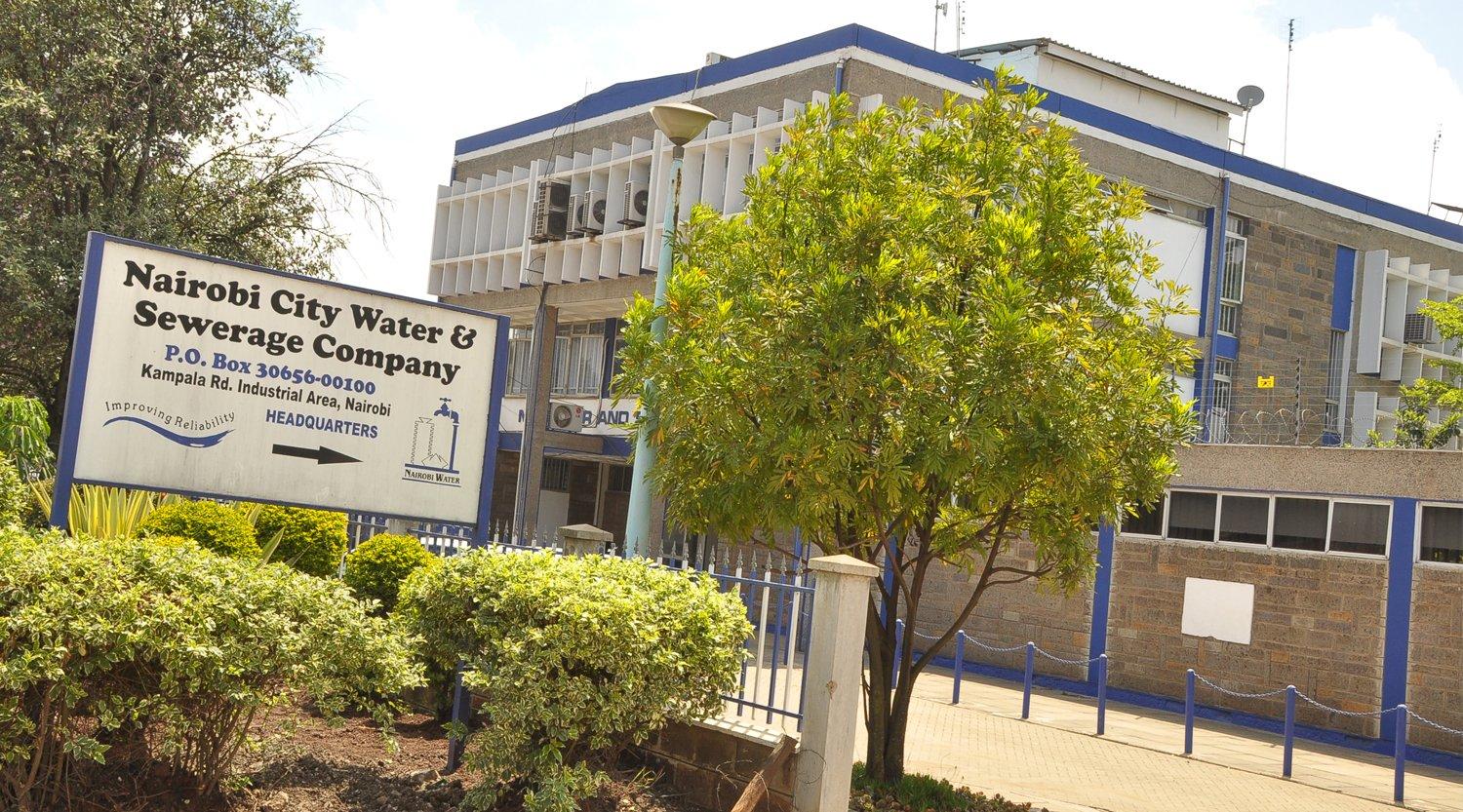
The Nairobi City Water and Sewerage Company (NCWSC) is at the centre of a brewing scandal after a government audit exposed the illegal use of over Sh1.2 billion in customer deposits — funds meant to be securely held in trust, not sunk into the parastatal’s daily operations.
A confidential report by the Water Services Regulatory Board (Wasreb), seen by this publication, reveals that as of June 30, 2024, NCWSC had depleted Sh1,229,417,698 in consumer deposits, a flagrant breach of regulations that require these funds to be ring-fenced and untouched without approval.
“The company erroneously utilised all the customers’ deposits to carry out its activities without approval from Wasreb. It does not even maintain any bank account for securing customers deposits,” the report states, citing gross violations of public finance standards.
Customer deposits range between Sh2,500 for household water connections and up to Sh100,000 for industrial clients — money that legally should remain refundable.
Wasreb warns that the depletion of this reserve now puts the firm at serious risk of failing to meet refund obligations.
The bigger question is: how did this happen under the watch of the Nairobi County Government?
The audit, conducted between March 17 and 21, unearthed not just financial irregularities but deeper structural rot.
Wasreb found that NCWSC has been locked out of the government’s Business Registration Services (BRS) portal due to technical issues.
This has left the company unable to file returns or update records, a vulnerability the regulator fears could be exploited by fraudsters.
Alarmingly, the audit also revealed that two of the company’s 5,000 shares are registered under the Nairobi Governor’s office and the County Secretary — both non-legal entities under Kenyan corporate law.
This opens a legal Pandora’s box about whether NCWSC’s ownership is valid, and whether its assets are adequately protected from political or private appropriation.
Adding to the concern is the discovery of shell companies registered with names similar to NCWSC, which Wasreb fears could be used to siphon off resources or con unsuspecting citizens.
“Fraudsters may have infiltrated the company through BRS and carried out illegal activities in its pretext,” the audit warns.
The report also paints a picture of an entity lurching forward blindly. NCWSC is currently operating without a valid water services licence, after its last one expired in December 2022.
Despite this, the company has continued to collect money from Nairobi residents without clear legal standing — a regulatory lapse that raises eyebrows.
The company also lacks both a valid strategic plan and a business plan. Without either, it is effectively navigating one of Kenya’s most critical public utilities on guesswork.
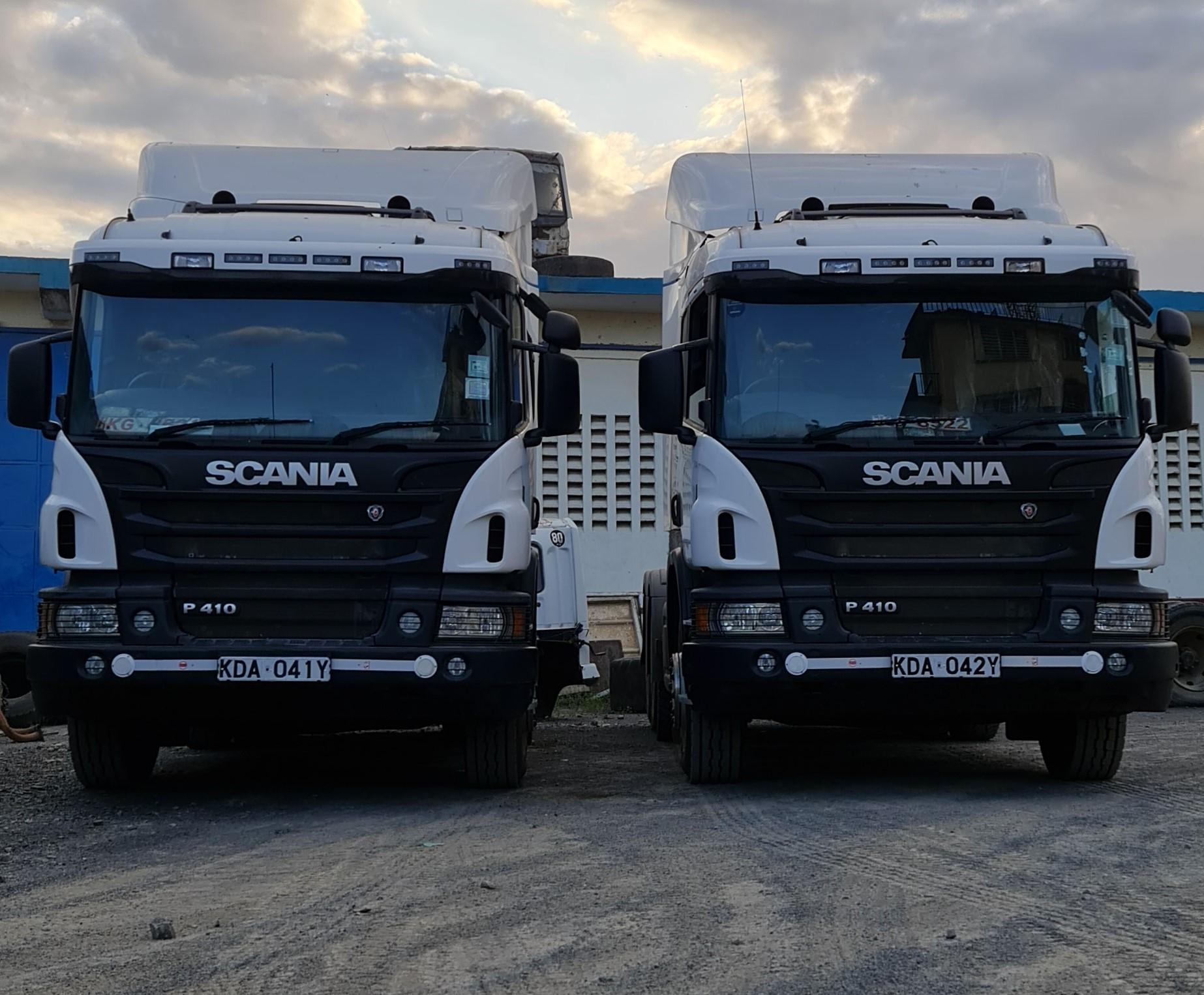
It holds thousands of unserviceable vehicles and motorcycles and has no roadmap for asset disposal, raising concerns over wastage.
Meanwhile, critical environmental compliance has also been ignored.
NCWSC lacks effluent discharge licences from Nema for its wastewater treatment facilities in Ruai, Kariobangi, Kahawa West, and Karen.
The audit warns that the land on which these plants sit is vulnerable to encroachment or land grabbing, threatening sewerage services for millions.
Equally troubling is the issue of non-revenue water (NRW) — water that is produced but lost through leaks, theft, or metering errors.
At NCWSC, NRW stands at a staggering 47.9%, nearly double the allowable ceiling of 25%. Wasreb notes inconsistencies in how the company calculates and reports this loss, raising questions about data integrity and internal accountability.
The audit found that NCWSC is riddled with leadership gaps. Key staff are nearing retirement, while several crucial departments are being led by individuals in acting capacities, undermining continuity and institutional stability.
Repeated attempts to obtain responses from NCWSC went unanswered. Managing Director Nahashon Muguna ignored calls and messages.
When reached, Finance Director Paul Omondi said tersely, “The MD will respond to the questions.” No response had been received by press time.
This exposé paints a sobering picture of a company trusted with one of Nairobi’s most basic and essential services — yet flouting legal and financial rules, operating without oversight, and possibly inching toward collapse.
As the country grapples with perennial water shortages and poor sanitation in informal settlements, the rot at NCWSC should be a wake-up call for both county and national governments. Water is life. If the system meant to deliver it is this broken, what future does Nairobi have?



Comments