
Opinion
How Coronavirus Is Likely To Change The Kenyan Political Landscape

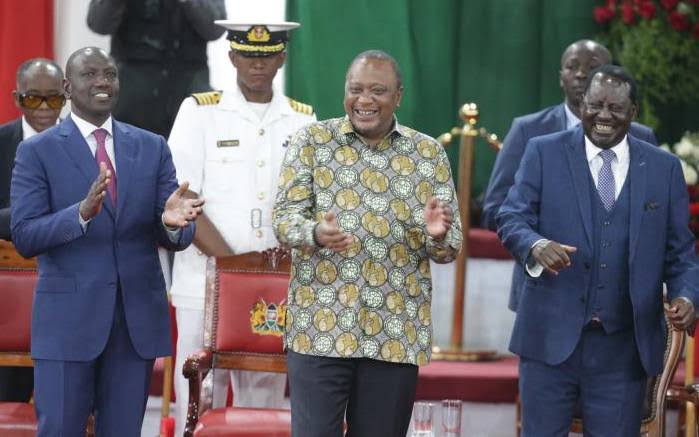
The coronavirus pandemic will not only leave Kenyans much poorer, but also change the political landscape profoundly, according to the latest thinking. One likely casualty will be the constitutional changes advocated by the new alliance between President Uhuru Kenyatta and erstwhile opposition leader Raila Odinga.
As of 31 March, the country had reported just one fatality and 59 confirmed cases, most traceable to returning Kenyans or tourists. The figures are expected to rise for two reasons: a very large segment of economic transactions are conducted in the informal sector face to face, making it all but impossible to enforce the isolation the government is recommending. Also, city-dwellers infected but undiagnosed are fleeing to their rural homes, where they will spread the infection further.
Secondly, Kenya does not have the necessary medical preventive and surveillance capacity, let alone the curative facilities and support. Many poor Kenyans are prepared – or obliged – to take the risk anyway, trading in the open and riding in overcrowded matatu minibuses despite the warnings.
On 25 March, President Kenyatta finally made a long-awaited television address on the crisis, promising a raft of economic reforms to keep the economy afloat and to provide financial relief to the most distressed Kenyans. Two days before, he had given a speech on the completion of 4G data coverage across Kenya, a misplacement of priorities which Kenyans took badly. In his address, he put the country under a dusk-to-dawn curfew and demanded social distancing in public places. Schools have been closed and public rallies banned. Kenyatta may be uninspiring himself, but the recently appointed health minister Mutahi Kagwe is popular and well-regarded.
Meanwhile, the economy slides. Tourism, international remittances, horticultural exports to Europe, hospitality, transport and trade have been severely hit. The Treasury had predicted a 6.1% GDP growth rate this year but most informed Kenyan economists expect lower than 3%.
At Building Bridges Initiative (BBI) rallies, intended to widen the executive arm of government to accommodate the opposition, Odinga’s followers habitually sang Lucky Dube‘s ‘Nobody Can Stop Reggae’. Reggae being the BBI. Now their rivals, mostly allied to Deputy President William Ruto are chanting ‘Covid-19 Can Stop Reggae’. There is humour even in these morbid times.
Kenya Insights allows guest blogging, if you want to be published on Kenya’s most authoritative and accurate blog, have an expose, news TIPS, story angles, human interest stories, drop us an email on [email protected] or via Telegram


Both Sides Claim Victory After US, Iran Agree To 11th-Hour Truce

The Teflon Company: How Gulf Energy’s Insiders Built Billions on Kenya’s Fuel, and Walked Away Clean

Inside Details Of Sh78 Billion Fraud in KPC’s Mombasa-Nairobi Line 5 Pipeline Project That Has Continued To Bleed The Country

Details Of The Precise Rescue Of Elite US Troops From Iranian Territory

The Fuel Deal That Exposed Wandayi’s Lies As Pressure Mounts For His Resignation

Who Architected the Ksh 4.8 Billion Fuel Scandal? Two CSs Now Caught in the Storm

THE ZAKHEM-ECOBANK MACHINE: How Kenya’s Courts Were Weaponised to Drain a State Corporation of Over KES 78 Billion

Poison at the Pump: How Kenya’s Fuel Marking System May Be Exposing Millions to Cancer-Causing Chemicals

Inside Nyayo House: The Kitchen Cartel That Demands Sh100,000 for a Stove

JSC Rot: “Why I Paid Over Sh4 Million for a High Court Slot” — Explosive Claims by ‘Incoming Judge’

Tuju Forcefully Removed From His Karen Property With Masked Officers In Unmarked Vehicles In Early Morning Raid

Named: Havi Says Mutava Confessed He Was Collecting The Bribe For Lady Justice Josephine Mongare, So Why Is JSC Still Silence?

How Little-Known Pesa Print, Linked to State House Tycoons, Won NTSA Tender Worth Sh42 Billion in Traffic Fines

The Man With The Golden Pen: How NLC’s Joel Ombati Is Accused Of Masterminding Kenya’s Biggest Infrastructure Land Heist

‘They Will Eat You Alive’: Retired Teacher Warns Against Bashy African Credit as Sh500,000 Loan Spirals Into Sh1.5 Million Fight

THE HANDSHAKE THAT BECAME A NOOSE: How Tuju’s Alleged Intimate Access to EADB’s Yeda Apopo Produced a Sh294 Million Deal With No Written Contract, and Why That Trust Destroyed an Empire

Forged Legacy: How Kaplan and Stratton’s Peter Gachuhi Is Accused of Faking a Top AG’s Will as State Claims Damning Evidence

Waweru’s Bank Pockets Sh1.16 Billion from KPC IPO While Ordinary Kenyans Fled the Sale

How Firm Linked To Mombasa Tycoon Jaffer Was Allowed To Import Fuel At Bloated Price And Set To Make Billions In Profits From Iranian War Crisis In Kenya

Men Linked to Akasha Drug Dynasty Charged With Death Threats and Assault at Nairobi Nightclub
-
 Business2 weeks ago
THE HANDSHAKE THAT BECAME A NOOSE: How Tuju’s Alleged Intimate Access to EADB’s Yeda Apopo Produced a Sh294 Million Deal With No Written Contract, and Why That Trust Destroyed an Empire
-
 Investigations1 week ago
Forged Legacy: How Kaplan and Stratton’s Peter Gachuhi Is Accused of Faking a Top AG’s Will as State Claims Damning Evidence
-
 Business1 week ago
How Firm Linked To Mombasa Tycoon Jaffer Was Allowed To Import Fuel At Bloated Price And Set To Make Billions In Profits From Iranian War Crisis In Kenya
-
 News2 weeks ago
Men Linked to Akasha Drug Dynasty Charged With Death Threats and Assault at Nairobi Nightclub
-

 News2 weeks ago
City Lawyer Kimani Wachira Caught Up In Bribery Web Fights Claims
-

 Business6 days ago
Sold And Abandoned: How Diageo and Asahi Are Locking Kenya’s EABL Minority Shareholders Out Of East Africa’s Biggest Corporate Heist
-

 News6 days ago
Treasury Hands Sh358M Brief to Eric Gumbo’s Firm While Bypassing Standard Rules — and the Lawyer Is Already Deep Inside Ruto’s State Machine
-
 Business1 week ago
THE BANK THAT BROKE THE TRUCKER: How NCBA’s Asset Financing Empire Is on Trial Before London’s Most Feared Arbitral Tribunal