
Africa
Ethiopian Bank Glitch Let Customers Withdraw Millions They Didn’t Hold In Their Accounts

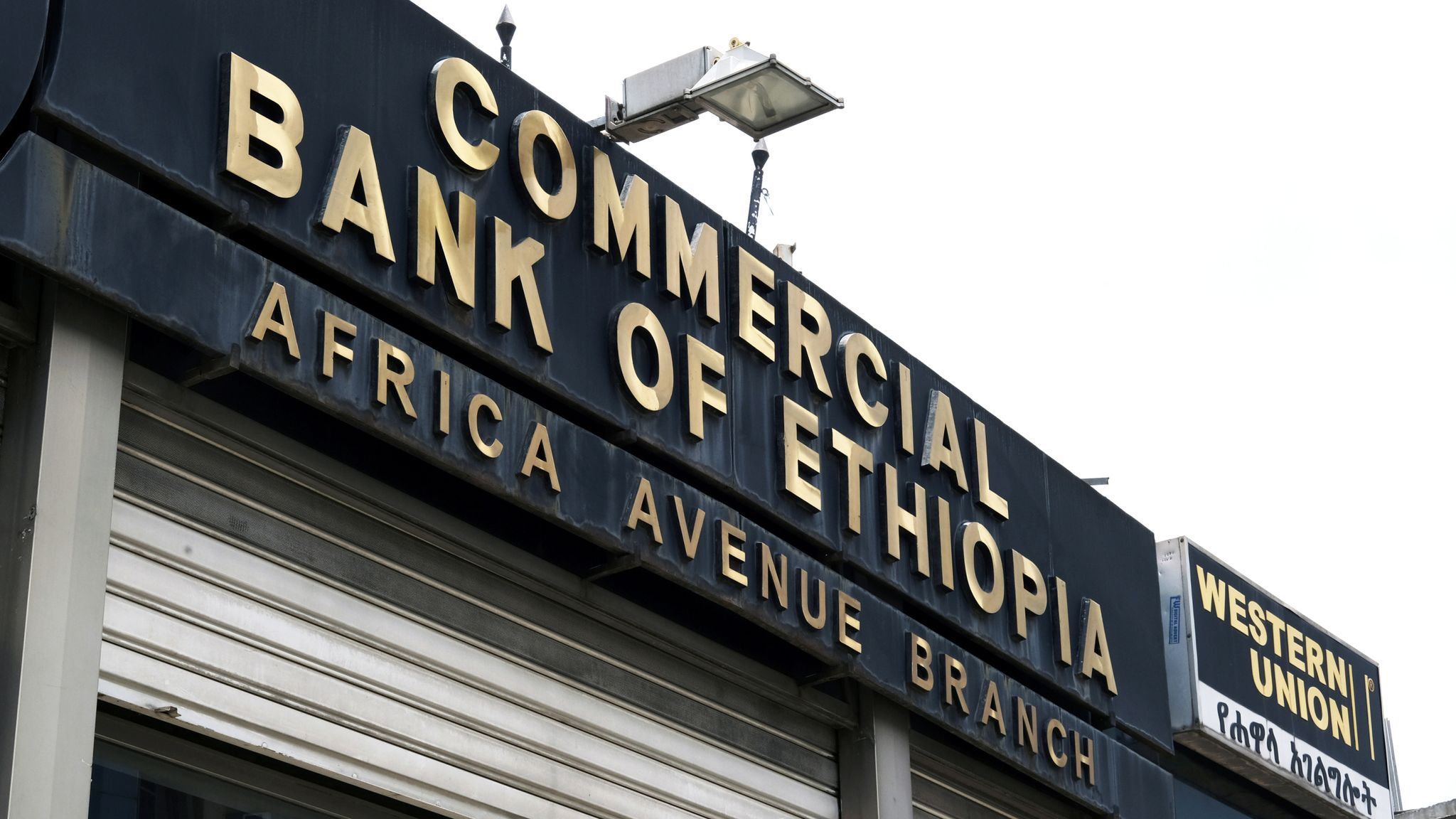
Over the weekend, Ethiopia’s biggest commercial bank witnessed a “systems glitch” which allowed customers to withdraw millions. The bank has since released a statement saying that there was no cyber attack and its security has not been compromised as it scrambles to recoup the large sums of money withdrawn.
What happened?
On Saturday (Mar 16) morning, customers of the state-owned Commercial Bank of Ethiopia (CBE) discovered that they were able to withdraw more cash than what was in their account.
This, as expected, led to a frenzy. According to reports, most of the money that was withdrawn during the glitch was by university students as news spread quickly via phone calls and text messages.
A student in western Ethiopia told the BBC that long lines formed outside campus ATMs and people kept withdrawing money till police officers arrived and stopped them.
The “systems glitch” lasted for hours and more than $100 million was withdrawn or transferred to other banks, according to local media reports.
Bank responds
During a press conference, on Monday (Mar 18), CBE president Abe Sano said over 490,000 “unhealthy and illegal” banking transactions were made and processed.
However, he did not confirm the amount of money withdrawn but said that the loss incurred was small compared to the bank’s total assets.
Meanwhile, a report by Fortune citing sources said around 66,000 transactions took place during the glitch and suggested that as much as six billion birr or ($105 million) was withdrawn.
Sano also clarified that the bank’s cyber security has not been compromised and that the customers’ money is safe.
“There have been attempted cyber attacks but the bank’s cyber security was not compromised,” the CBE president told the press in the capital city of Addis Ababa.
According to the CBE president, the glitch occurred while they were working to improve their banking system and the problem was attributed to a “missing code”. They also suspended their service at the time in a bid to prevent additional loss, said Sano.
The CBE president said that an investigation into the transactions is underway and customers who have made “high transactions” have been reported to the authorities. Meanwhile, universities have released statements asking students to return the money which did not belong to them.
The CBE president assured that returning the money would not be charged with a criminal offence.
(With inputs from agencies)
Kenya Insights allows guest blogging, if you want to be published on Kenya’s most authoritative and accurate blog, have an expose, news TIPS, story angles, human interest stories, drop us an email on [email protected] or via Telegram


Court Brands Sh1.1 Billion Fee Demand by Lawyer Victor Swanya “Excessive and Exorbitant,” Exposes How City Hall Lets Public Money Bleed Through Legal Bills

Trump Unveils New Air Force One

MR. NO SHOW: Finance Bill 2026 Exposes Ndindi Nyoro’s Political Conmanship

Billionaire Eric Muli Rebukes Musalia Mudavadi Over Nairobi Capital Relocation Debate

Lawyer Cliff Ombeta Warns Against Taking Insurance Cover With Old Mutual: “Talk to Me Before You Do, Their Imara Cover Is a Fraud”

My Life Is In Danger: Investor Drops Bombshell Expose On Thomas Ogutu CEO VeGrid Ltd And Fugitive Nairobi CEC Charles Kerich – DCI Inaction And Corruption Network Exposed

City Tycoon Chris Obure Returns To Senteu Plaza After Court Victory

NCBA’s Repossession Empire: How Borrowers Lose Their Cars While the Bank Profits at Every Step

Ex-First Lady Margaret Kenyatta and Siblings Move to Block Widow from Late Brother’s Sh50 Million Estate

Inside the Billion-Shilling Betrayal: How Senior Treasury Officials Plundered a UN Poverty Fund and Built a Real Estate Empire on the Backs of Kenya’s Rural Poor

Businessman Philip Waithaka Kinuthia’s Minor Son Allegedly Drove Drunk, Killed Two Peponi Students in Ngong Road Horror Crash as Claims of Cover-Up Intensify

Inside NCBA’s Decline: How a Banking Giant Lost Its Strategic Edge

Cement, Cash and Courts: How the Hashu Dynasty Crushed the Ramji Brothers for Fourteen Years and Why the Walls Are Now Closing In

Standard Chartered Ghosts Haunt Joshua Oigara At Stanbic As Whistleblower Spills Beans

Inside The Urban Planning Cartel That Owns Nairobi

South Sudan: Adut Salva Kiir’s Shadow Treasury Exposed

How Adil Popat Saved His Empire On The Eve Of Imperial Bank Collapse and Why Kenya’s Mainstream Media Buried The Story

Why John Ngumi Is Running From the EACC and Why the Sh415 Million Payday May Be the Least of His Worries

The President’s Daughter and The Missing Witness: How Adut Salva Kiir’s Shadow Treasury Silenced Its Most Dangerous Critic

THE VULTURE AND THE SCHEME How Nairobi West Hospital Became the Most Dangerous Institution in Kenya’s SHA Ecosystem and Why the Books Must Be Audited Now
-
 News6 days ago
Businessman Philip Waithaka Kinuthia’s Minor Son Allegedly Drove Drunk, Killed Two Peponi Students in Ngong Road Horror Crash as Claims of Cover-Up Intensify
-
 Business2 weeks ago
Inside NCBA’s Decline: How a Banking Giant Lost Its Strategic Edge
-
 Business1 week ago
Standard Chartered Ghosts Haunt Joshua Oigara At Stanbic As Whistleblower Spills Beans
-
 Africa1 week ago
South Sudan: Adut Salva Kiir’s Shadow Treasury Exposed
-
 Business1 week ago
How Adil Popat Saved His Empire On The Eve Of Imperial Bank Collapse and Why Kenya’s Mainstream Media Buried The Story
-
 Business1 week ago
Why John Ngumi Is Running From the EACC and Why the Sh415 Million Payday May Be the Least of His Worries
-
 Africa1 week ago
The President’s Daughter and The Missing Witness: How Adut Salva Kiir’s Shadow Treasury Silenced Its Most Dangerous Critic
-
 Investigations2 days ago
THE VULTURE AND THE SCHEME How Nairobi West Hospital Became the Most Dangerous Institution in Kenya’s SHA Ecosystem and Why the Books Must Be Audited Now