
World
Chinese Broker Laundered Latin American Drug Money Around the World

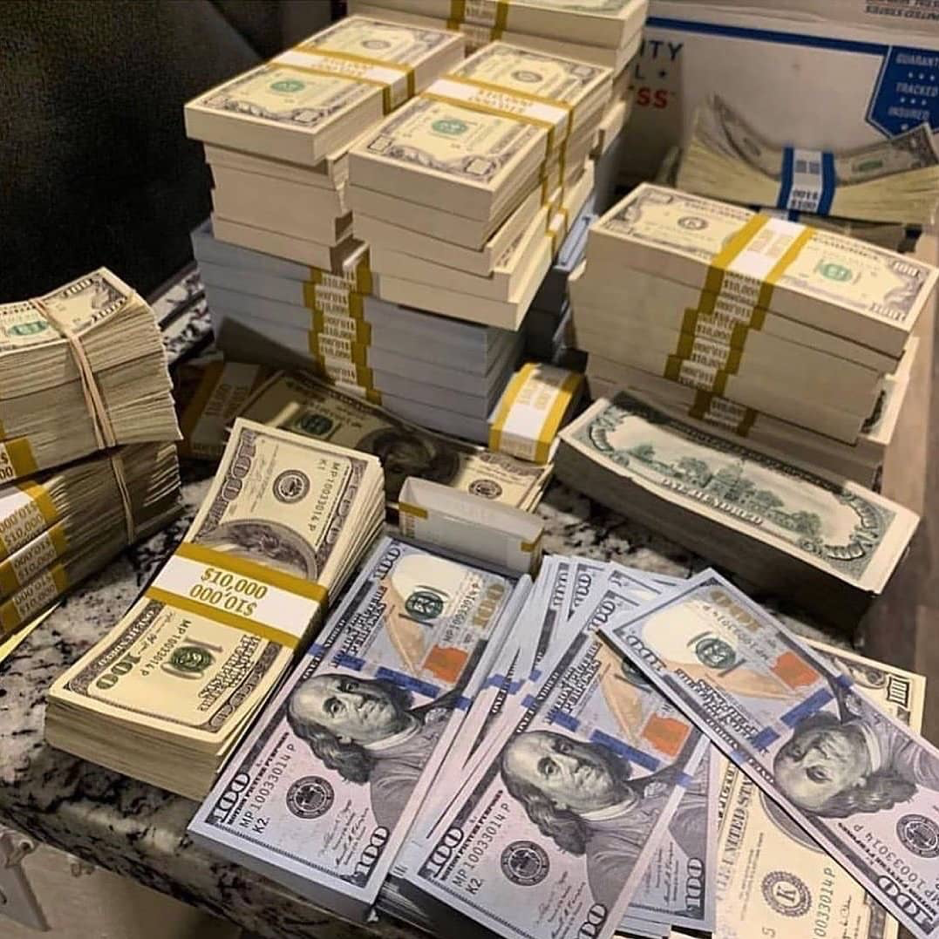
A Chinese businessman laundered tens of millions of dollars in drug money through a Guatemalan casino, a US seafood export company, Miami banks, and Chinese bank accounts, in a case that reveals the wide reach of such money laundering networks.
Xizhi Li, a Chinese national with US citizenship, pleaded guilty to conspiracy to launder money in early August, according to a news release from the US Department of Justice (DOJ). Between 2008 and 2019, Li laundered some $30 million in drug proceeds for traffickers in Mexico, Colombia, and Guatemala.
Prosecutors said Li “forged close ties” with these groups while living in Mexico, obtaining contracts to conduct financial transactions with their US-based proceeds, according to an indictment against him and other conspirators. He used fake identities such as “Francisco Ley Tan” to open Miami bank accounts and purchase a casino in Guatemala used in the scheme.
The scheme used “a foreign casino, foreign and domestic front companies, foreign and domestic bank accounts, false passports and other false identification documents” to launder the drug money, the Justice Department said in its news release.
According to prosecutors, bulk cash made from US cocaine sales was moved among different states to cover up its origins. It was later sent to Chinese bank accounts to purchase Chinese goods. Goods were also bought in the United States and sent to China. Merchants in Latin America looking to import these goods then used their local currency to pay Li and others for the items.
One of Li’s co-conspirators Tao Liu, of Hong Kong, was sentenced to seven years in prison on August 3rd for his role in the network. Prosecutors said Liu accepted drug money on behalf of Li, which he later deposited into bank accounts.
Between April and June of this year, three other conspirators pleaded guilty, according to the Justice Department. Another suspect was charged and is pending extraditionafter he was arrested in Peru.
InSight Crime Analysis
Drug money is not only increasingly being laundered through Chinese bank accounts but brokers are setting up throughout the Americas and beyond to serve trafficking clientele and move cash.
Prosecutors said nodes of the money laundering group were based in the United States, Mexico, Guatemala, Belize, China and elsewhere. One suspect made trips to New York and Los Angeles, as well as to the Mexican city of Cancún and Guatemala City to facilitate the network’s activities. The Guatemalan casino owned by Li served as a meeting point for the network.
The group also used a US seafood import and export business to purchase seafood products using cocaine money. The products were later exported for sale in China and Hong Kong.
Messaging platforms, including WhatsApp and WeChat, were used by associates to communicate.
Li and his co-conspirators sought to obtain as many “contracts” as possible from drug trafficking organizations. They then received commissions on the transactions, or a percentage of the funds involved, prosecutors said.
What’s more, Chinese players in the money laundering trade have a wide range of schemes open to them. In one, the US and Mexican financial systems were bypassed altogether. Chinese-owned businesses simply received drug cash and then transferred a corresponding amount through a Chinese banking application.
Kenya Insights allows guest blogging, if you want to be published on Kenya’s most authoritative and accurate blog, have an expose, news TIPS, story angles, human interest stories, drop us an email on [email protected] or via Telegram









IEBC Sets August 10 Date For 2027 General Election

Furious Ruto Lashes Out at Gideon Moi Over Repeated ‘Blackmail, Extortionist’ Headlines on The Standard and KTN

Mombasa Gripped by ‘Male Organ Theft’ Panic as Social Media Fuels Mob Attacks and Fear

TOO MUCH PR, NOTHING TO SEE: How Gladys Wanga Built a Perfect Story of Transformation While Homa Bay Bled

Netanyahu Says Israel Must ‘Break Free from Dependence’ After Tensions With Trump Administration

Niger pulls Out Of International Criminal Court After Calling It Neo-Colonialist

Kenya Awards Sh154 Billion JKIA Upgrade Tender To Chinese Firm CRBC

The Untouchable: How KURA’s Silas Kinoti Has Survived A Decade Of Corruption Storms While Kenya’s Roads Bled

Fake Papers, Dirty Millions And The Analo Connect: How Kitisuru MCA Alvin Palapala Built a Shadow Empire Inside Nairobi’s Planning Machine

Migori Payment Row Deepens As Branding Firm Demands Sh3.8 Million Over Unpaid Piny Luo Festival Deal

Businessman Philip Waithaka Kinuthia’s Minor Son Allegedly Drove Drunk, Killed Two Peponi Students in Ngong Road Horror Crash as Claims of Cover-Up Intensify

Inside NCBA’s Decline: How a Banking Giant Lost Its Strategic Edge

South Sudan: Adut Salva Kiir’s Shadow Treasury Exposed

Cement, Cash and Courts: How the Hashu Dynasty Crushed the Ramji Brothers for Fourteen Years and Why the Walls Are Now Closing In

Standard Chartered Ghosts Haunt Joshua Oigara At Stanbic As Whistleblower Spills Beans

Inside The Urban Planning Cartel That Owns Nairobi

THE VULTURE AND THE SCHEME How Nairobi West Hospital Became the Most Dangerous Institution in Kenya’s SHA Ecosystem and Why the Books Must Be Audited Now

The President’s Daughter and The Missing Witness: How Adut Salva Kiir’s Shadow Treasury Silenced Its Most Dangerous Critic

How Adil Popat Saved His Empire On The Eve Of Imperial Bank Collapse and Why Kenya’s Mainstream Media Buried The Story

Why John Ngumi Is Running From the EACC and Why the Sh415 Million Payday May Be the Least of His Worries
-
 News1 week ago
Businessman Philip Waithaka Kinuthia’s Minor Son Allegedly Drove Drunk, Killed Two Peponi Students in Ngong Road Horror Crash as Claims of Cover-Up Intensify
-
 Africa2 weeks ago
South Sudan: Adut Salva Kiir’s Shadow Treasury Exposed
-
 Business2 weeks ago
Standard Chartered Ghosts Haunt Joshua Oigara At Stanbic As Whistleblower Spills Beans
-
 Investigations5 days ago
THE VULTURE AND THE SCHEME How Nairobi West Hospital Became the Most Dangerous Institution in Kenya’s SHA Ecosystem and Why the Books Must Be Audited Now
-
 Africa2 weeks ago
The President’s Daughter and The Missing Witness: How Adut Salva Kiir’s Shadow Treasury Silenced Its Most Dangerous Critic
-
 Business2 weeks ago
How Adil Popat Saved His Empire On The Eve Of Imperial Bank Collapse and Why Kenya’s Mainstream Media Buried The Story
-
 Business2 weeks ago
Why John Ngumi Is Running From the EACC and Why the Sh415 Million Payday May Be the Least of His Worries
-
 Business5 days ago
Inside the Billion-Shilling Betrayal: How Senior Treasury Officials Plundered a UN Poverty Fund and Built a Real Estate Empire on the Backs of Kenya’s Rural Poor