
News
Kenya’s Economic Recap 2019

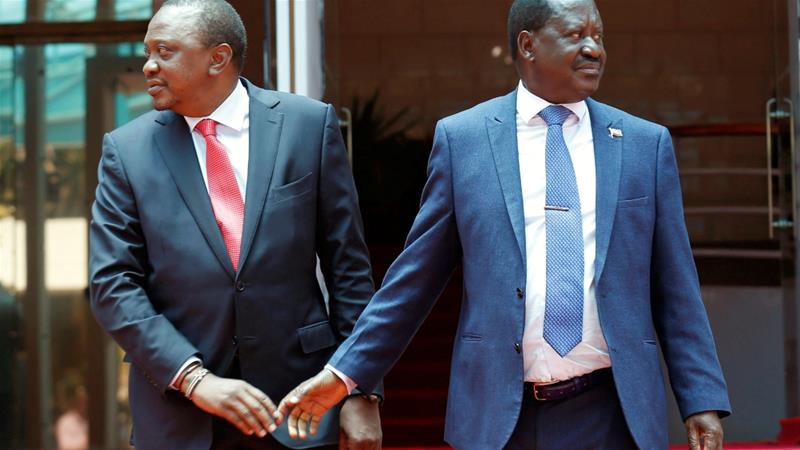
There was slow global economic growth in 2019, Kenya experienced the same with hope for 2020 as the repeal of interest cap law and tough macro and micro-economic prospects give Kenyans optimism.
Corruption, soaring debt levels, missed revenue targets coupled with a destructive rainy season wore down the economy heavily in 2019, the tough economic year for the country was worsened by high pending bills by both the government and private sector, denting money supply to suppliers. In the year 2019, Kenya’s debt levels spiralled to almost 60 pc of the GDP, leaving the country with no headroom to borrow more funds. Public debt to GDP currently stands at 59pc, this is 9.9pc above the 50% threshold which had been approved by the National Assembly.
The country is already spending more than 40 per cent of total revenue to service outstanding debts.The International Monetary Fund recommends a threshold of 30 per cent for emerging economies.
The Kenya Revenue Authority under the tutelage of the new Commissioner General, has become more aggressive in pursuing tax defaulters and widening the tax base more often than not frustrating honest businesses like Sportpesa and the likes leaving the country suffering. In the financial year 2019/20 the taxman increased collection by 100.1 billion to Sh1.44 trillion, though the collection fell short of the Treasury-set target by Sh72.7 billion.
In the nine months to September this year, KRA is behind collection target by close to 80 billion shillings, exerting more pressure on the country’s fiscal space.
Due to rampant theft and corruption in government and money laundering, CBK announced the introduction of new notes in June, giving the 1000 old notes up to September before they were rendered worthless.
There was unrest in the National Treasury after the arrest of Cabinet Secretary Henry Rotich, Principal Secretary Kamau Thugge and other high-ranking treasury officials for embezzlement of public funds, corruption among other economic crimes.
President Uhuru Kenyatta repealed the controversial interest rate cap in the Finance Act 2019. the controversy surrounding the law had led to decreased credit flow to the private sector.
Crazy surplus investment in the real estate sector saw Kenyans incur losses, Billions of money were poured out to increase investments in infrastructure in the country, however, it still faces the challenges of inadequate infrastructure.
Kenya was riddled with disparity in income, poverty levels spiked due to the high level of unemployment in the country, companies reported redundancies throughout the year as the cost living increased exponentially.
Insecurity and political instability was also a key factor to the slow growth.
Kenya Insights allows guest blogging, if you want to be published on Kenya’s most authoritative and accurate blog, have an expose, news TIPS, story angles, human interest stories, drop us an email on [email protected] or via Telegram


Karua Detained at Entebbe as Uganda Blocks Besigye Lawyer From Entering Country

How KCB and Airtel Turned Kenya’s Unbanked Into a Data Goldmine Behind a ‘Financial Inclusion’ Deal

The Chivayo Network: How a Convicted Fraudster Won Access to Presidents, Passports and Billion-Dollar Deals Across Africa

BURRIED TWICE: The Victoria Bank CEO Yogesh Pattni Files

Court Stops Transfer Of EABL Shares To Asahi By Diageo In A Fresh Snag

Death Before Justice: Stephen Ngei, Victim of Sh180 Million Laptop Tender Scam Linked to Allan Chesang, Killed in Highway Crash

Court Brands Sh1.1 Billion Fee Demand by Lawyer Victor Swanya “Excessive and Exorbitant,” Exposes How City Hall Lets Public Money Bleed Through Legal Bills

Trump Unveils New Air Force One

MR. NO SHOW: Finance Bill 2026 Exposes Ndindi Nyoro’s Political Conmanship

Billionaire Eric Muli Rebukes Musalia Mudavadi Over Nairobi Capital Relocation Debate

Businessman Philip Waithaka Kinuthia’s Minor Son Allegedly Drove Drunk, Killed Two Peponi Students in Ngong Road Horror Crash as Claims of Cover-Up Intensify

Inside NCBA’s Decline: How a Banking Giant Lost Its Strategic Edge

Cement, Cash and Courts: How the Hashu Dynasty Crushed the Ramji Brothers for Fourteen Years and Why the Walls Are Now Closing In

Standard Chartered Ghosts Haunt Joshua Oigara At Stanbic As Whistleblower Spills Beans

South Sudan: Adut Salva Kiir’s Shadow Treasury Exposed

Inside The Urban Planning Cartel That Owns Nairobi

THE VULTURE AND THE SCHEME How Nairobi West Hospital Became the Most Dangerous Institution in Kenya’s SHA Ecosystem and Why the Books Must Be Audited Now

How Adil Popat Saved His Empire On The Eve Of Imperial Bank Collapse and Why Kenya’s Mainstream Media Buried The Story

The President’s Daughter and The Missing Witness: How Adut Salva Kiir’s Shadow Treasury Silenced Its Most Dangerous Critic

Why John Ngumi Is Running From the EACC and Why the Sh415 Million Payday May Be the Least of His Worries
-
 News1 week ago
Businessman Philip Waithaka Kinuthia’s Minor Son Allegedly Drove Drunk, Killed Two Peponi Students in Ngong Road Horror Crash as Claims of Cover-Up Intensify
-
 Business2 weeks ago
Inside NCBA’s Decline: How a Banking Giant Lost Its Strategic Edge
-
 Business2 weeks ago
Standard Chartered Ghosts Haunt Joshua Oigara At Stanbic As Whistleblower Spills Beans
-
 Africa2 weeks ago
South Sudan: Adut Salva Kiir’s Shadow Treasury Exposed
-
 Investigations4 days ago
THE VULTURE AND THE SCHEME How Nairobi West Hospital Became the Most Dangerous Institution in Kenya’s SHA Ecosystem and Why the Books Must Be Audited Now
-
 Business1 week ago
How Adil Popat Saved His Empire On The Eve Of Imperial Bank Collapse and Why Kenya’s Mainstream Media Buried The Story
-
 Africa2 weeks ago
The President’s Daughter and The Missing Witness: How Adut Salva Kiir’s Shadow Treasury Silenced Its Most Dangerous Critic
-
 Business2 weeks ago
Why John Ngumi Is Running From the EACC and Why the Sh415 Million Payday May Be the Least of His Worries