
Sci & Tech
Potential New Malaria Vaccine Shows 77% Efficacy in Trial

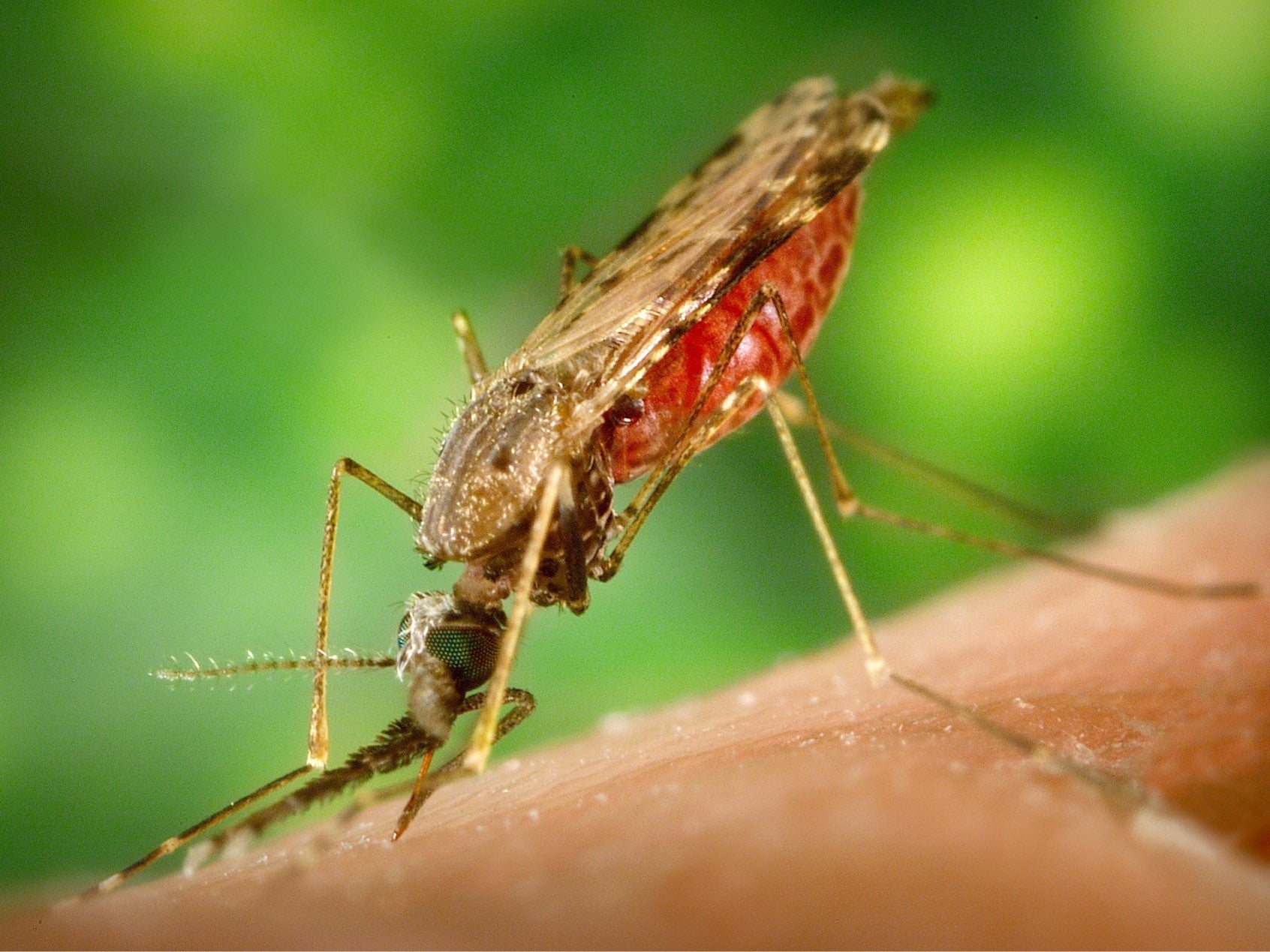
A potential new malaria vaccine has shown a preliminary efficacy rate of 77% during a trial on infants, in what scientists hope is a breakthrough in developing a highly effective malaria inoculation.
Scientists at England’s University of Oxford said that the yearlong trial involved 450 children in the African nation of Burkina Faso and that no serious events were reported during the trial.
It is the first candidate vaccine for malaria to surpass a target set for researchers by the World Health Organization: to develop a shot with at least 75% efficacy.
Researchers say they now plan to conduct a Stage 3 trial for the vaccine on 4,800 children between the ages of 5 months and 3 years in four African countries — Burkina Faso, Kenya, Mali and Tanzania. Those trials will be conducted in collaboration with the Serum Institute of India and the U.S. biotechnology company Novavax.
The research is led by Adrian Hill, director of Oxford’s Jenner Institute and one of the lead researchers behind the Oxford-AstraZeneca COVID-19 vaccine. Hill told VOA in an exclusive interview that the vaccine is showing game-changing results, noting that over many years,140 malaria vaccine candidates have been tried in clinical trials, and none of them has had an efficacy over 75%.
“In our first attempt with this vaccine, we see 77%, and we think we can improve on that further. So, it’s real progress. It’s unprecedented,” he said.
Malaria, a mosquito-borne disease, infects millions of people each year and kills more than 400,000 — most of them young children in sub-Saharan Africa.
If the next round of trials, called R21/Matrix-M, is successful, the vaccine could be widely available in as little as two years.
Hill said the Jenner Institute was talking to regulators to see whether the vaccine could be fast-tracked for quicker use.
“We’re making the point that more people died of malaria in Africa last year by a factor of maybe four than died of COVID. So why isn’t malaria a priority?” he said.
The trial for the vaccine involved dividing the 450 child participants into three groups: one receiving a high dose of the vaccine, one receiving a low dose, and one receiving a control vaccine.
Results showed an efficacy of 77% in the high-dose group and of 74% among the low-dose group.
The results of the trial were reported in a preprint article on the website of the British medical journal The Lancet, with researchers saying the results will soon be published in the journal.
Kenya Insights allows guest blogging, if you want to be published on Kenya’s most authoritative and accurate blog, have an expose, news TIPS, story angles, human interest stories, drop us an email on [email protected] or via Telegram


Ali Larijani, Believed To Be Running Iran Since The Beginning Of The War, Is Killed In A Strike

Seven Suspects Charged over Ksh60M Harambee house scandal.

‘They Will Eat You Alive’: Retired Teacher Warns Against Bashy African Credit as Sh500,000 Loan Spirals Into Sh1.5 Million Fight

Ng’eno’s Widow Naiyanoi Endorsed To Succeed Her Husband In Emurua Dikirr Parliamentary Seat

Revealed: How Kibaki and His Men Stole Raila’s Victory in the 2007 Election

Regulator Finds GT Bank Kenya Guilty of Unfair Loan Terms After Throwing Longtime Customer Under the Bus

Investigations Reveal The Depth Of Rot In City Hall’s Garbage Collection Tender To Corrupt Ghanaian Firm

Tanzanian Tycoons Step Up Acquisitions Of Kenyan Companies

Brookhurst International Schools Excel at 2026 World Scholars Cup Nairobi Round

Kenyan Politicians Panic Over Dubai Investments as Iranian Missile Threat Persists

THE FIRM IN THE DOCK: How Kaplan and Stratton Became the Most Scrutinised Law Firm in Kenya

How Little-Known Pesa Print, Linked to State House Tycoons, Won NTSA Tender Worth Sh42 Billion in Traffic Fines

Multi-Million Dollar Fraud: Three Kenyans Face US Extradition in Massive Cybercrime Conspiracy

Ex-Inchcape Kenya CEO Sanjiv Shah Charged With Bank Fraud

Kenya Strips Dutch Climate Body of Diplomatic Immunity Amid Donor Fraud Scandal and Allegations of Executive Capture

Iran Demands Arrest, Prosecution Of Kenya’s Cup of Joe Director Director Over Sh2.6 Billion Tea Fraud

A Farm in Kenya’s Rift Valley Ignites a National Reckoning With Israeli Investment

A UN Director Based in Nairobi Was Deep in an Intimate Friendship With Epstein — He Even Sent Her a Sex Toy

President Ruto and Uhuru Reportedly Gets In A Heated Argument In A Closed-Door Meeting With Ethiopian PM Abiy Ahmed

Waweru’s Bank Pockets Sh1.16 Billion from KPC IPO While Ordinary Kenyans Fled the Sale
-
 Investigations1 week ago
How Little-Known Pesa Print, Linked to State House Tycoons, Won NTSA Tender Worth Sh42 Billion in Traffic Fines
-
 News2 weeks ago
Ex-Inchcape Kenya CEO Sanjiv Shah Charged With Bank Fraud
-
 Business1 week ago
Waweru’s Bank Pockets Sh1.16 Billion from KPC IPO While Ordinary Kenyans Fled the Sale
-

 Business1 week ago
The New Master of the Nation: How a Tanzanian Billionaire With a President in His Pocket Just Bought Kenya’s Most Powerful Press
-

 Investigations1 week ago
SOLD TO THE BULLET: How the Bodyguard Handed MP Ong’ondo Were to His Killers
-

 Investigations1 week ago
The Man With The Golden Pen: How NLC’s Joel Ombati Is Accused Of Masterminding Kenya’s Biggest Infrastructure Land Heist
-

 News6 days ago
Named: Havi Says Mutava Confessed He Was Collecting The Bribe For Lady Justice Josephine Mongare, So Why Is JSC Still Silence?
-

 Development1 week ago
KPA To Be Dissolved, Replaced By A Liability Firm As Govt Sets To Privatise Lamu Port And Two Mombasa Berths