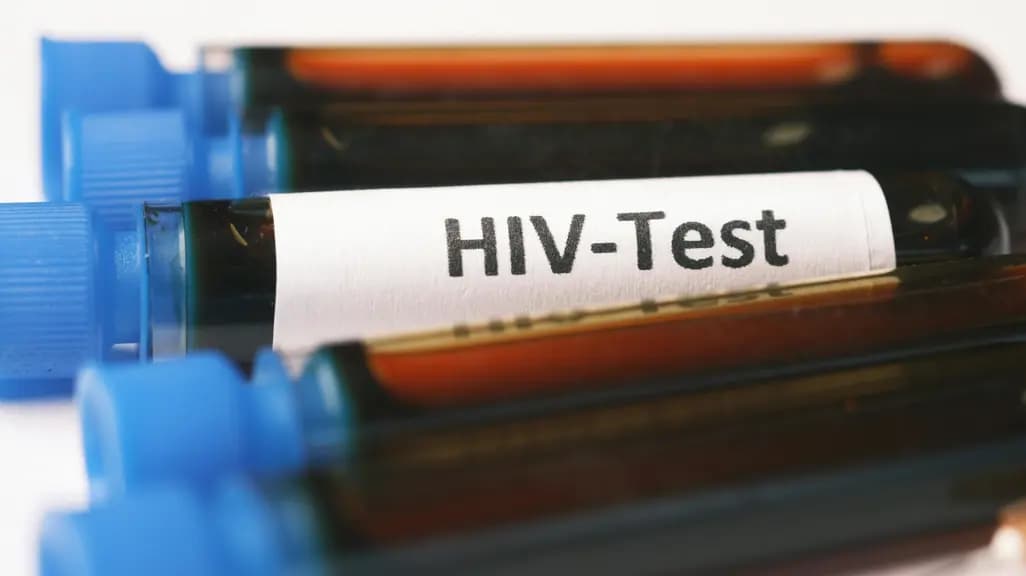
Kenya is staring at a fresh HIV crisis after new data revealed more than 20,000 people contracted the virus this year, with Nairobi County bearing the heaviest burden.
Figures released by the National Syndemic Diseases Control Council (NSDCC) show a total of 20,105 new HIV infections in 2025, cementing fears that the country’s progress in curbing the epidemic is slowing.
Women remain disproportionately affected, accounting for nearly two-thirds of new infections—13,236 cases compared to 6,869 among men.
Children under 15 contributed 4,349 cases, exposing persistent gaps in preventing mother-to-child transmission despite reported 90.1% PMTCT coverage.
The council warned that the 9.26% mother-to-child transmission rate remains unacceptably high.
Nairobi recorded the highest number of new infections at 3,045, with women making up more than two-thirds. Other hotspots included Migori (1,572), Homa Bay (1,180), Kisumu (1,341), Mombasa (817) and Siaya (873). On the other end of the spectrum, Mandera, Marsabit and Lamu reported some of the lowest infection rates at 67, 40 and 36 cases respectively.
The report further shows that 1.3 million Kenyans are now living with HIV, with Nairobi once again topping the chart at 151,916 people, followed by Homa Bay (104,317) and Migori (99,510).
Wajir registered the lowest prevalence, with just 701 people living with HIV.
AIDS-related deaths remain devastating. An estimated 21,009 people died of AIDS in 2025, including 2,688 children. Nairobi led with 1,267 deaths, while Nakuru posted the highest toll at 1,698 fatalities.
Experts are warning that Kenya risks undoing hard-won gains unless prevention, treatment, and community awareness campaigns are urgently stepped up.
“The numbers speak for themselves. Women and children continue to pay the highest price, and we cannot afford complacency,” said an NSDCC official.
The grim data comes as a ray of hope emerges globally.
The Gates Foundation recently announced an ambitious partnership with Indian drug-maker Hetero Labs to roll out low-cost lenacapavir, the world’s first twice-yearly injectable HIV prevention drug.
Priced at about $40 a year, the medicine could significantly boost access to prevention tools in Kenya and other low- and middle-income countries.
For now, however, the challenge remains clear: infections are rising, deaths are mounting, and Nairobi stands at the epicenter of a crisis that Kenya thought it had tamed.







Comments