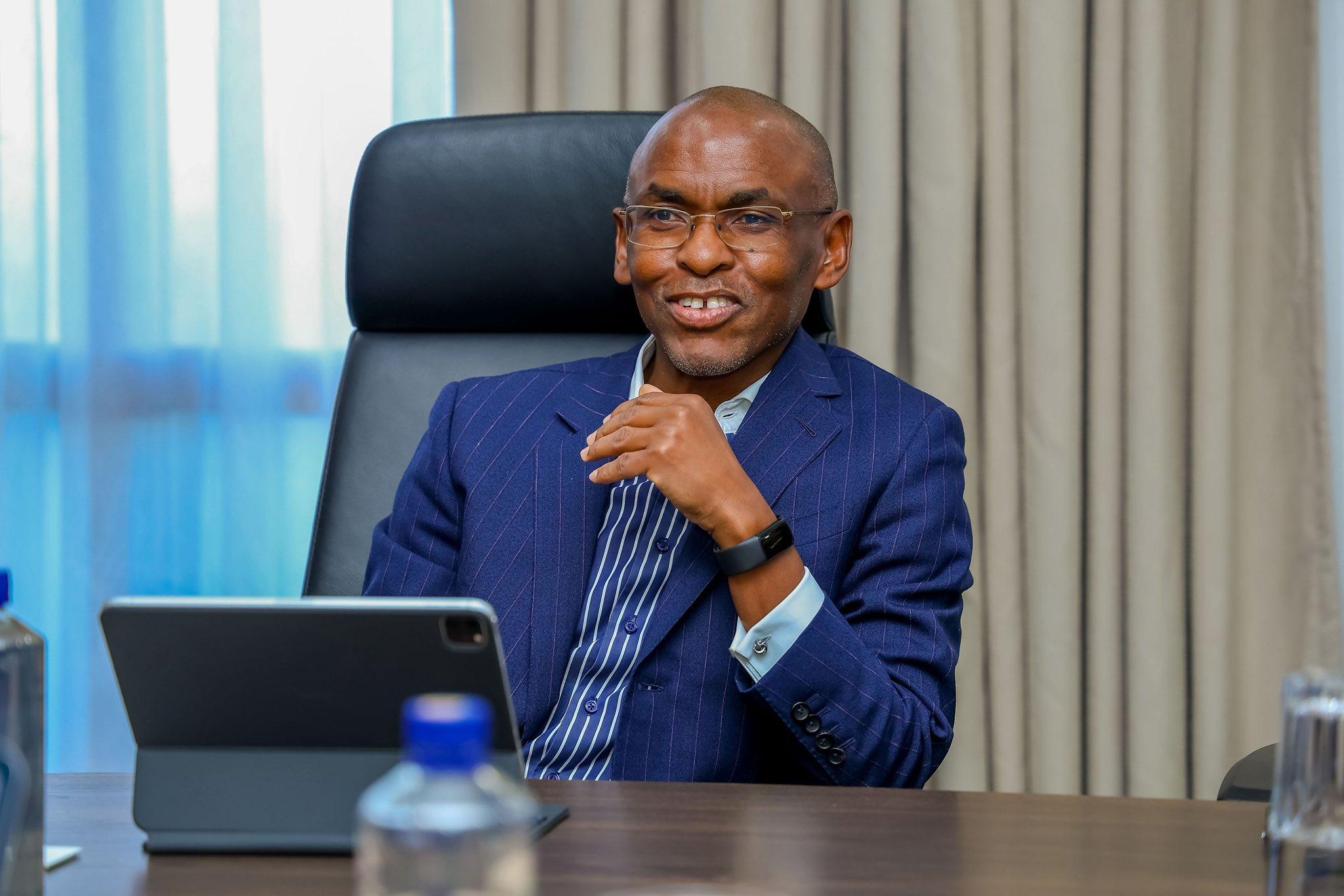
Nairobi — The political and corporate storm engulfing Safaricom PLC intensified on Tuesday after Kileleshwa MCA Robert Alai publicly called for the removal of chief executive Peter Ndegwa, declaring that “Ndegwa should be removed as Safaricom CEO. He is becoming rogue.”
Alai’s intervention adds combustible local politics to an already volatile debate over the government’s proposed sale of a 15 per cent stake in Safaricom to Vodacom Group at KSh34 per share — a price critics describe as a transfer of value away from Kenyan taxpayers.
The remarks came as Kiharu MP Ndindi Nyoro escalated his opposition to the transaction, demanding direct accountability from Vodacom’s board and warning that Kenyans would engage its leadership if the sale is not subjected to open competitive bidding.
Nyoro argues that the negotiated price embeds a control shift without adequately compensating the public for Safaricom’s strategic and earnings power.

The proposed transaction would increase Vodacom’s effective holding to roughly 55 per cent, reduce the government’s stake to about 20 per cent and leave 25 per cent in public hands.
Treasury has framed the deal as a necessary fiscal measure to unlock more than KSh200bn for infrastructure and debt management.
Yet the optics of disposing of additional equity at a price hovering around prevailing market levels have unsettled sections of Parliament and retail investors.
Safaricom’s share price has traded near the deal level in recent sessions, reflecting investor uncertainty.
While the KSh34 price was presented as a premium to the six-month weighted average at the time of announcement, critics note that the stock traded closer to KSh45 in 2021 before the capital-intensive Ethiopia expansion weighed on earnings and dividend growth.
Under Ndegwa, appointed in 2020 after the late Bob Collymore, Safaricom pivoted from a high-margin domestic cash generator into a regional growth platform anchored by its Ethiopia licence.
The move promised long-term scale in a market of more than 120 million people but has required heavy upfront capital expenditure, compressed margins and introduced currency and political risk into the balance sheet.
Supporters of the chief executive argue that the Ethiopia strategy remains a multi-year value proposition and that management cannot be held responsible for sovereign divestment decisions.
They point to continued resilience in the core Kenyan business, especially within M-Pesa, as evidence that the franchise remains intact.
However, detractors contend that the combination of earnings dilution, rising leverage and a contested stake sale has weakened Safaricom’s once unassailable premium status on the Nairobi Securities Exchange.
In that context, Alai’s “rogue” accusation, though politically charged, reflects a broader anxiety about governance, valuation discipline and executive accountability.
Nyoro has gone further, signalling he may push for direct engagement with Vodacom chairman Saki Macozoma and group chief executive Shameel Joosub over what he terms an undervaluation of a strategic asset.
He insists that an internationally marketed bidding process could yield significantly higher proceeds and restore confidence in the transaction.
The convergence of parliamentary resistance, county-level political agitation and investor unease places Safaricom at the centre of a rare public reckoning over how Kenya prices and manages its most valuable corporate assets.
What began as a fiscal manoeuvre has morphed into a referendum on executive leadership and control.
As approvals and potential legal challenges loom, the pressure on Ndegwa is no longer confined to share performance.
It now encompasses the political legitimacy of a transaction that could redefine Safaricom’s ownership structure for a generation.


Comments