
Coronavirus
Kenya Has Ordered 379,000 Tablets Of Hydrochloroquine From India As Option For Coronavirus Treatment

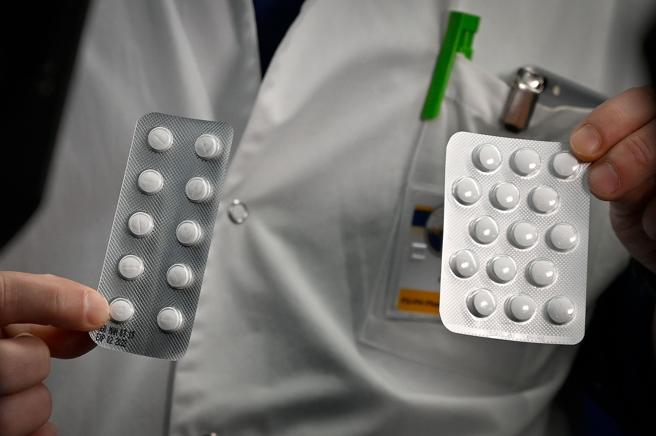
Kenya has joined the countries “repurposing” the banned antimalarial drug hydroxychloroquine for emergency use ahead of mass testing for Covid-19.
The country has ordered a one-off consignment of 379,000 tablets of the hydroxychloroquine from India just three weeks after the Asian nation partially lifted a ban on the export of the drug.
The deal follows last week’s telephone conversation between Foreign Affairs secretary Raychelle Omamo and Indian External Affairs minister Subrahmanyam Jaishankar.
“In keeping with excellent bilateral ties and as a special gesture, India has allowed one-time export of prohibited Hydroxychloroquine Sulphate USP 200 mg (379,000 tablets) to Kenya to support Government of Kenya in its fight against Covid-19 pandemic,” said a communique from the Indian government.
In early April, India partially lifted a ban on the exports of the malaria drug after President Donald Trump sought supplies for the US, which has topped the world’s Covid-19 casualties with more than million confirmed cases and more than 60,000 deaths. In Kenya where the first case of Covid-19 was reported on March 13 and the number of cases was 396 by yesterday.
Hydroxychloroquine, which has been approved for Covid-19 treatment in Jordan, the US and France as well as China has been tested and found to strengthen cells in the respiratory tract where the coronavirus punctures and releases its genetic material.
Laboratory findings published by medRxiv, an online server for medical articles show the alkaline-based Hydroxychloroquine protects the cell from becoming acidic, an environment that enables coronaviruses to multiply
“The end result is the coronavirus is bumped out of cells and cannot infect them. (How azithromycin contributes to this process isn’t clear yet, but doctors suspect that it may quell the worst respiratory symptoms of Covid-19 by reducing inflammation caused by the viral infection in the lungs.),” it said.
Thursday, Ms Omamo and her India counterpart confirmed the arrival of the second tranche of essential drugs — HIV medicines worth $154 million — in Nairobi, a gift to Kenya by the Government of India.
“The first tranche of essential medicines, as part of India’s commitment to providing essential medicines to the people of Kenya, was delivered in July 2018,” said the statement, which added that India had also donated chlorine in the form of Calcium Hypochlorite for water treatment following a request from the Kenyan government.
While an India-based drug manufacturer has received export orders for Hydroxychloroquine Sulphate, the European Union regulator and the World Health Organisation say the science does not support the decision.
Currently, there is no known coronavirus vaccine or treatment for the Covid-19.
Article originally appeared on Business Daily.
Kenya Insights allows guest blogging, if you want to be published on Kenya’s most authoritative and accurate blog, have an expose, news TIPS, story angles, human interest stories, drop us an email on [email protected] or via Telegram


Israel’s Military At Risk Of Collapse, Chief Warns

Trump Signature To Appear On US Currency, Ending 165-Year Tradition

Peter Maina Karimi Officially Appointed Head Of Kenya’s Gambling Regulator

Education Insurance Policies Are the Biggest Regulated Scam in Kenya

American Couple Busted in Multimillion Tax Evasion as KRA Crackdown Exposes Smuggling Syndicate Involving Senior Officials

Uganda ‘On The Side Of Israel’ Amid Iran War, Defense Chief Says

How A Fake Power Broker Scammed Ex-KRA Manager Sh63M For KURA Chair Job

Kenya Considers Military Escorts For Cargo Ships To Middle East

I’m A Life Member Of KNUT, Sossion Warns Oyuu To Be Ready For A Showdown As Seeks To Reclaim SG Post

Dozens Of Bodies, Mostly Infants, Discovered In Kenya Mass Grave

Kenya Strips Dutch Climate Body of Diplomatic Immunity Amid Donor Fraud Scandal and Allegations of Executive Capture

How Little-Known Pesa Print, Linked to State House Tycoons, Won NTSA Tender Worth Sh42 Billion in Traffic Fines

Ex-Inchcape Kenya CEO Sanjiv Shah Charged With Bank Fraud

Tuju Forcefully Removed From His Karen Property With Masked Officers In Unmarked Vehicles In Early Morning Raid

Nowhere To Hide: Govt Begins Tracing Hustler Fund Defaulters Using National IDs To Recover Unpaid Sh12 Billion

Named: Havi Says Mutava Confessed He Was Collecting The Bribe For Lady Justice Josephine Mongare, So Why Is JSC Still Silence?

The Man With The Golden Pen: How NLC’s Joel Ombati Is Accused Of Masterminding Kenya’s Biggest Infrastructure Land Heist

Waweru’s Bank Pockets Sh1.16 Billion from KPC IPO While Ordinary Kenyans Fled the Sale

‘They Will Eat You Alive’: Retired Teacher Warns Against Bashy African Credit as Sh500,000 Loan Spirals Into Sh1.5 Million Fight

The New Master of the Nation: How a Tanzanian Billionaire With a President in His Pocket Just Bought Kenya’s Most Powerful Press
-
 News2 weeks ago
Tuju Forcefully Removed From His Karen Property With Masked Officers In Unmarked Vehicles In Early Morning Raid
-
 Business1 week ago
‘They Will Eat You Alive’: Retired Teacher Warns Against Bashy African Credit as Sh500,000 Loan Spirals Into Sh1.5 Million Fight
-
 Investigations1 week ago
THE RUTO HAND IN TUJU’S FALL: How a President-Linked Petroleum Baron Walked Away With Sh3.5 Billion Karen Land for Sh450 Million
-
 Business2 weeks ago
Centum Special Report: Is Mworia Overseeing Shareholder Value Destruction?
-
 Investigations1 week ago
Investigations Reveal The Depth Of Rot In City Hall’s Garbage Collection Tender To Corrupt Ghanaian Firm
-

 Business4 days ago
Big Shame: EY and PwC Found Guilty of Fraud and Corruption in Kenya as World Bank Bans Lay Bare Scandal Inside the Global Audit Elite
-
 Investigations1 week ago
Revealed: How Kibaki and His Men Stole Raila’s Victory in the 2007 Election
-
 Business2 weeks ago
Cyber Attack: Inside the USD4 Million Equity Bank Heist in Rwanda