
Economy
IMF Agrees To Wire Sh44 Billion Loan To Kenya

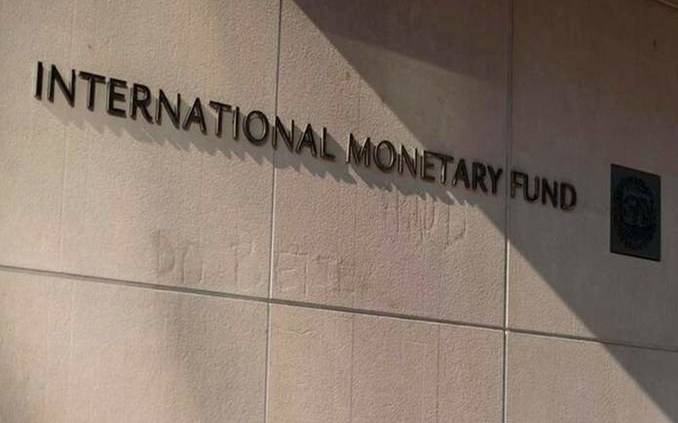
Kenya is inching closer to getting KES44 billion credit representing the second tranche of the 38-month IMF KES251 billion ($2.34 billion) loan.
The second tranche of financing is, however, premised on the conclusion of policy reforms, including an audit of all COVID-19 related expenditures covering the 2019/20 financial year.
“In addition, the authorities’ plan to adopt a common payroll system at the national and county level should help contain spending growth and limit the scope for corruption,” the International Monetary Fund (IMF) said in a statement on May 17.
Further, the release of the funds, which now awaits IMF board’s approval in the coming weeks, is anchored on the publication of information on companies that win procurement contracts, including the names of their beneficial owners.
IMF staff commend the authorities’ decisive policy actions to contain the COVID-19 outbreak, the Washington-based institution said adding: “their actions helped to cushion the blow to the economy and maintained the momentum necessary to advance their economic reform agenda.”
The global lender, which conducted a virtual tour into the country between April 29 and May 14, noted that with the easing of the third wave of COVID-19 infections compared to high levels seen in April, a range of containment curbs have been lifted.
The institutions, which faced a barrage of attacks recently from Kenyans online for approving the KES251 billion loan, lauded the government the ongoing COVID-19 vaccination program, which the IMF credit line is designed to support to accelerate and expand vaccinations.
“They (Kenya government) met the fiscal balance target at end-March by a wide margin and had fully implemented their planned tax policy measures, although with continuing pressures from the pandemic, tax revenue yields were slightly below expectations,” said IMF.
The IMF noted that Kenya’s next financial year budget is being aligned with the authorities’ ambitious multi-year plan to mitigate debt vulnerabilities and it secures resources to support social spending.
Kenya is also developing a strategy to assess and manage risks to the budget from state-owned enterprises by leveraging on the results of ongoing financial evaluations of those firms facing the greatest pressures, added IMF.
At the same time, the IMF has cut Kenya’s growth outlook for 2021 to 6.3 per cent from a higher 7.6 per cent to reflect realism on the impact of the pandemic on the economy.
Kenya Insights allows guest blogging, if you want to be published on Kenya’s most authoritative and accurate blog, have an expose, news TIPS, story angles, human interest stories, drop us an email on [email protected] or via Telegram


Why All Eyes Are On Gambling Authority CEO Peter Karimi As Kenya’s Betting Firms Race To Beat The June Licence Renewal Deadline

The Deal Behind Nairobi Animal Orphanage: Is This Really About Animals Or Billions In Prime Park Land

The Great Mogo Extraction: How a Latvian Fintech Built a Debt Trap for Kenya’s Most Vulnerable Borrowers and Got Away With It

Iran Launches Missiles At Israel For First Time Since Mideast Truce

MozzartBet Faces Licence Cancellation For Operations in Kenya Amid Tax Evasion, Money Laundering Scandals As Rumours Swirl Of Sh100M Bribery To Evade Trap

Rogue Developers, Engineers, Architects and City Hall Officials Charged Over Deadly Manzil Towers Collapse

Kalonzo Unveils His 2027 Presidential Campaign Platform

Artur Margaryan of Kenya’s Infamous Artur Brothers Seeks Prime Minister’s Office in Armenia

Sonko Re-Elected Head of Party

US Denied Visas to Team Officials for World Cup – Iran

Cement, Cash and Courts: How the Hashu Dynasty Crushed the Ramji Brothers for Fourteen Years and Why the Walls Are Now Closing In

Why Ruto’s Favourite Candidate Adan Mohammed Could Be Locked Out of the KRA Top Job

Inside The Urban Planning Cartel That Owns Nairobi

LifeCare on the Brink: SHA Fraud, Stolen Wages, and the Rotten Empire Jayesh Saini Built

Este Medical Kenya Fights American’s Explosive Complaints

The Rot Inside Absa: How Bank Insiders Are Looting Nairobi’s Customers

Inside FAFSA Fraud: How Kenyan Cybercriminals Siphoned Millions from America’s Sh12 Billion Student Loan System

Betika Faces DCI Probe, Directors Arrest and License Revocation Over Massive 29.5 Million Safaricom Customers’ Data Breach

Denial Under Duress: The Untold Collapse Threatening David Lagat’s DL Group’s Empire

THE INSURER THAT TOOK YOUR PREMIUM AND FORGOT YOUR NAME: How ICEA Lion Left a Client Begging for Sh7.8 Million Across Four Months
-
 Investigations3 days ago
Cement, Cash and Courts: How the Hashu Dynasty Crushed the Ramji Brothers for Fourteen Years and Why the Walls Are Now Closing In
-
 Investigations2 days ago
Inside The Urban Planning Cartel That Owns Nairobi
-
 Investigations2 weeks ago
LifeCare on the Brink: SHA Fraud, Stolen Wages, and the Rotten Empire Jayesh Saini Built
-
 News2 weeks ago
Este Medical Kenya Fights American’s Explosive Complaints
-
 Americas2 weeks ago
Inside FAFSA Fraud: How Kenyan Cybercriminals Siphoned Millions from America’s Sh12 Billion Student Loan System
-
 Investigations7 days ago
Betika Faces DCI Probe, Directors Arrest and License Revocation Over Massive 29.5 Million Safaricom Customers’ Data Breach
-

 News1 week ago
Eight Students Arrested In Kenya After Suspected Deadly School Arson Attack
-
 Investigations3 days ago
Fresh Move Launched to Remove Kenya Railways MD Mainga From Office After Awarding Sh817 Million Consultancy Contract