
Sci & Tech
Ex-Twitter Executive Turned Whistleblower Exposes Platform’s Five Grave Security Failures

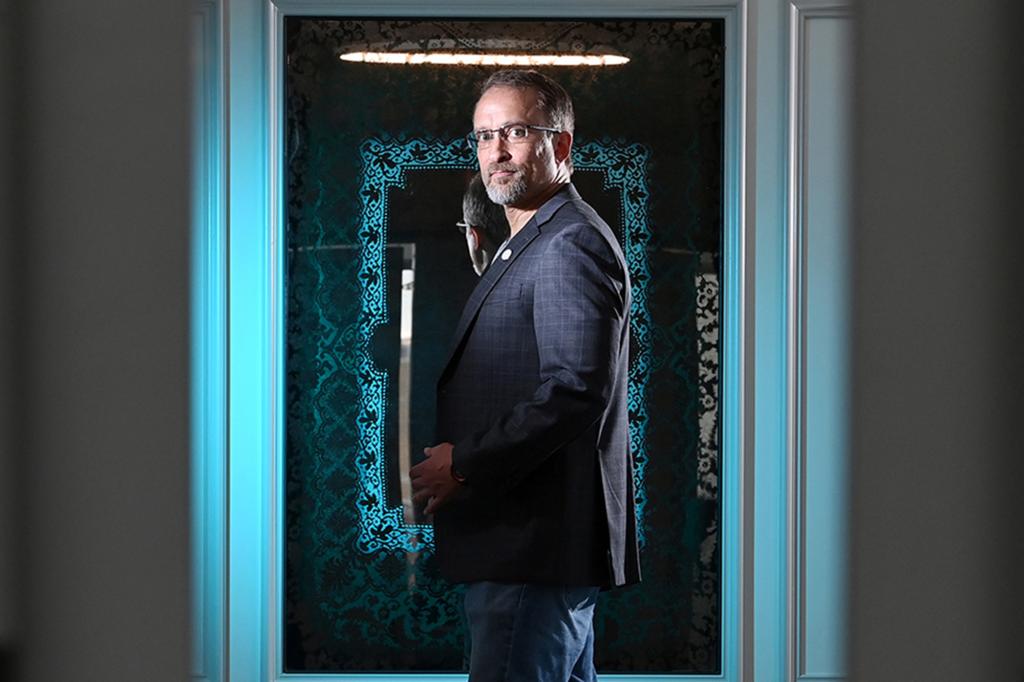
Startling new revelations from Twitter’s former head of security, Peiter Zatko, have raised serious new questions about the security of the platform’s service, its ability to identify and remove fake accounts, and the truthfulness of its statements to users, shareholders and federal regulators.
Zatko – better known by his hacker handle “Mudge” – is a respected cybersecurity expert who first gained prominence in the 1990s and later worked in senior positions at the Pentagon’s Defense Advanced Research Agency and Google.
Twitter fired him from the security job early this year for what the company called “ineffective leadership and poor performance”. Zatko’s attorneys say that claim is false.
In a whistleblower complaint made public on Tuesday, Zatko documented his uphill 14-month effort to bolster Twitter security, boost the reliability of its service, repel intrusions by agents of foreign governments and both measure and take action against fake “bot” accounts that spammed the platform.
In a statement, Twitter called Zatko’s description of events “a false narrative”.
Here are five takeaways from that whistleblower complaint.
Security and privacy systems grossly inadequate
In 2011, Twitter settled a Federal Trade Commission investigation into its privacy practices by agreeing to put stronger data security protections in place. Zatko’s complaint charges that Twitter’s problems grew worse over time instead.
For instance, the complaint states, Twitter’s internal systems allowed far too many employees access to personal user data they didn’t need for their jobs – a situation ripe for abuse.
For years, Twitter also continued to mine user data such as phone numbers and email addresses – intended only for security purposes – for ad targeting and marketing campaigns, according to the complaint.
Entire service could have collapsed irreparably under stress
One of the most striking revelations in Zatko’s complaint is the claim that Twitter’s internal data systems were so ramshackle – and the company’s contingency plans so insufficient – that any widespread crash or unplanned shutdown could have tanked the entire platform.
The concern was that a “cascading” data-centre failure could quickly spread across Twitter’s fragile information systems.
As the complaint put it: “That meant that if all the centres went offline simultaneously, even briefly, Twitter was unsure if they could bring the service back up. Downtime estimates ranged from weeks of round-the-clock work, to permanent irreparable failure.”
Twitter misled regulators, investors and musk about fake ‘spam’ bots
In essence, Zatko’s complaint states that Tesla CEO Elon Musk – whose $44 billion (Sh5.2 trillion) bid to acquire Twitter is headed for October trial in a Delaware court – is correct when he charges that Twitter executives have little incentive to accurately measure the prevalence of fake accounts on the system.
The complaint charges that the company’s executive leadership practiced “deliberate ignorance” on the subject of these so-called spam bots.
“Senior management had no appetite to properly measure the prevalence of bot accounts,” the complaint states, adding that executives were concerned that accurate bot measurements would harm Twitter’s “image and valuation.”
Twitter could have been at the mercy of disgruntled employees
Zatko’s complaint states that as a mob assembled in front of the US Capitol on January 6, 2021, eventually storming the building, he began to worry that employees sympathetic to the rioters might try to sabotage Twitter.
That concern spiked when he learned it was “impossible” to protect the platform’s core systems from a hypothetical rogue or disgruntled engineer aiming to wreak havoc.
“There were no logs, nobody knew where data lived or whether it was critical, and all engineers had some form of critical access” to Twitter’s core functions, the complaint states.
A playground for foreign governments
The Zatko complaint also highlights Twitter’s difficulty in identifying – much less resisting – the presence of foreign agents on its service. In one instance, the complaint alleges, the Indian government required Twitter to hire specific individuals alleged to be spies, and who would have had significant access to sensitive data thanks to Twitter’s own lax security controls.
The complaint also alleges a murkier situation involving taking money from unidentified “Chinese entities” that then could access data that might endanger Twitter users in China.
Kenya Insights allows guest blogging, if you want to be published on Kenya’s most authoritative and accurate blog, have an expose, news TIPS, story angles, human interest stories, drop us an email on [email protected] or via Telegram


The Debt They Would Not Pay: How Standard Group Ducked Sh50 Million In Regulatory Fee For Years, Then Called It A Witch-Hunt

Millions Angry With Trump Expected To Fill American Streets

City Lawyer Kimani Wachira Caught Up In Bribery Web Fights Claims

Men Linked to Akasha Drug Dynasty Charged With Death Threats and Assault at Nairobi Nightclub

You Will Pay: KRA To Monitor M-Pesa Transactions Of ‘Nil-Returns’ Filers

The Diplomat, the Mine Giant, and the Conservancy: Why Kenyans Are Questioning Britain’s Hand in Lewa

THE HANDSHAKE THAT BECAME A NOOSE: How Tuju’s Alleged Intimate Access to EADB’s Yeda Apopo Produced a Sh294 Million Deal With No Written Contract, and Why That Trust Destroyed an Empire

Israel’s Military At Risk Of Collapse, Chief Warns

Trump Signature To Appear On US Currency, Ending 165-Year Tradition

Peter Maina Karimi Officially Appointed Head Of Kenya’s Gambling Regulator

Kenya Strips Dutch Climate Body of Diplomatic Immunity Amid Donor Fraud Scandal and Allegations of Executive Capture

How Little-Known Pesa Print, Linked to State House Tycoons, Won NTSA Tender Worth Sh42 Billion in Traffic Fines

Tuju Forcefully Removed From His Karen Property With Masked Officers In Unmarked Vehicles In Early Morning Raid

Ex-Inchcape Kenya CEO Sanjiv Shah Charged With Bank Fraud

Nowhere To Hide: Govt Begins Tracing Hustler Fund Defaulters Using National IDs To Recover Unpaid Sh12 Billion

Named: Havi Says Mutava Confessed He Was Collecting The Bribe For Lady Justice Josephine Mongare, So Why Is JSC Still Silence?

The Man With The Golden Pen: How NLC’s Joel Ombati Is Accused Of Masterminding Kenya’s Biggest Infrastructure Land Heist

Waweru’s Bank Pockets Sh1.16 Billion from KPC IPO While Ordinary Kenyans Fled the Sale

‘They Will Eat You Alive’: Retired Teacher Warns Against Bashy African Credit as Sh500,000 Loan Spirals Into Sh1.5 Million Fight

The New Master of the Nation: How a Tanzanian Billionaire With a President in His Pocket Just Bought Kenya’s Most Powerful Press
-
 Business2 weeks ago
‘They Will Eat You Alive’: Retired Teacher Warns Against Bashy African Credit as Sh500,000 Loan Spirals Into Sh1.5 Million Fight
-

 Investigations1 week ago
THE RUTO HAND IN TUJU’S FALL: How a President-Linked Petroleum Baron Walked Away With Sh3.5 Billion Karen Land for Sh450 Million
-
 Business1 day ago
THE HANDSHAKE THAT BECAME A NOOSE: How Tuju’s Alleged Intimate Access to EADB’s Yeda Apopo Produced a Sh294 Million Deal With No Written Contract, and Why That Trust Destroyed an Empire
-

 Business6 days ago
Big Shame: EY and PwC Found Guilty of Fraud and Corruption in Kenya as World Bank Bans Lay Bare Scandal Inside the Global Audit Elite
-

 Investigations2 weeks ago
Investigations Reveal The Depth Of Rot In City Hall’s Garbage Collection Tender To Corrupt Ghanaian Firm
-

 Investigations2 weeks ago
Revealed: How Kibaki and His Men Stole Raila’s Victory in the 2007 Election
-

 Business2 weeks ago
Cyber Attack: Inside the USD4 Million Equity Bank Heist in Rwanda
-
 Business2 weeks ago
Regulator Finds GT Bank Kenya Guilty of Unfair Loan Terms After Throwing Longtime Customer Under the Bus