
Business
EABL Under Probe Over Controversial Sh16.8 Billion Bond Raised Before Disclosing Change in Control
EABL closed the multi-billion shilling bond on November 12, pocketing Sh16.8 billion from eager investors who were banking on the stability of a company majority-owned by one of the world’s largest beverage corporations.

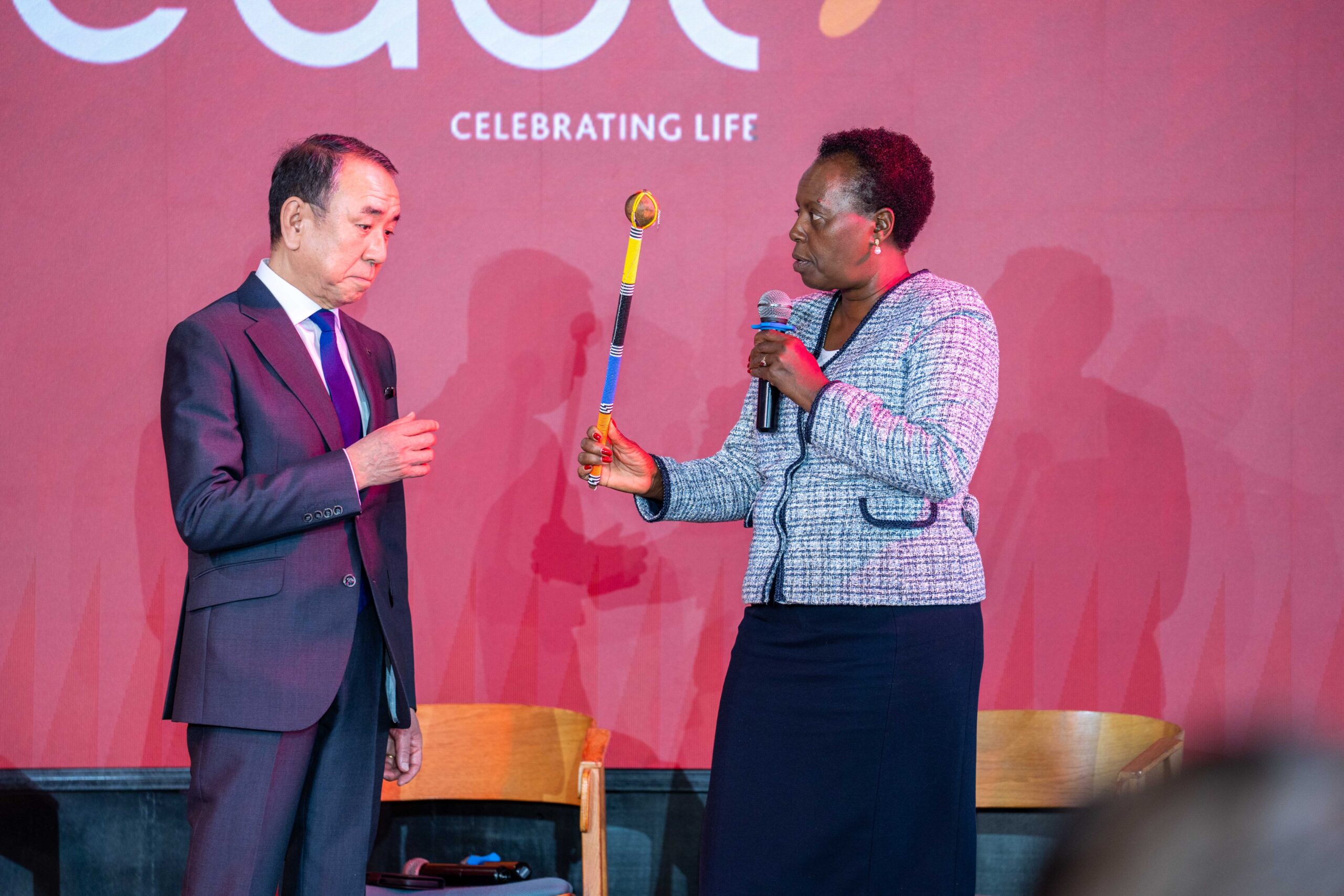
The Capital Markets Authority (CMA) has launched investigations into East African Breweries Limited over what market watchers describe as a serious disclosure lapse after the brewer raised Sh16.8 billion through a bond issue just weeks before announcing its parent company’s dramatic exit from the business.
The regulatory probe centres on whether EABL’s board had prior knowledge of British multinational Diageo’s plan to sell its 65 percent stake when it shepherded investors through a heavily oversubscribed bond offering between October 27 and November 10, 2025.
The timing has raised red flags across Nairobi’s financial district.
EABL closed the multi-billion shilling bond on November 12, pocketing Sh16.8 billion from eager investors who were banking on the stability of a company majority-owned by one of the world’s largest beverage corporations.
Just 35 days later, on December 17, Diageo announced it had agreed to sell its entire stake to Japan’s Asahi Group Holdings for Sh303.5 billion.
The proximity of these transactions has triggered market speculation that EABL may have violated stringent disclosure rules that govern listed companies in Kenya.
Under capital markets regulations, the exit of a majority shareholder is deemed material information that must be disclosed to potential investors, particularly those buying corporate bonds who rely on ownership stability when assessing credit risk.
CMA officials, speaking on condition of anonymity due to the sensitivity of the matter, confirmed that the regulator ordered EABL to issue a market notice explaining the timeline of both transactions.
The authority is now conducting what sources describe as a deeper inquiry into whether the company’s board had advance knowledge of the impending ownership change when it marketed the bond to retail and institutional investors.
“The statement was issued on our prompting on the questions that were being raised about the matter. The regulator will likely carry out further enquiries on the issue,” a senior CMA executive told the media.
In its response issued on Thursday following the regulatory intervention, EABL categorically denied any knowledge of Diageo’s exit plans when it launched the bond.
The company insisted that its board was only notified of the transaction on the afternoon of December 16, several weeks after the bond had closed and been listed on the Nairobi Securities Exchange.
“The transaction is between Diageo and Asahi as strategic industry-leading shareholders. EABL is not a party to it nor has it been involved in the transaction. EABL’s board of directors was first notified of the transaction on the afternoon of December 16, 2025,” the company said in its notice.
EABL further stressed that the medium-term note programme was launched independently by the company without Diageo’s involvement, and that the notes were issued several weeks before the board received notice of the shareholder transaction.
The five-year bond, which was the first tranche of a Sh20 billion medium-term note programme, originally targeted Sh11 billion but was oversubscribed by 52.4 percent, reflecting strong investor confidence at the time.
The bond pays an annual interest rate of 11.8 percent, significantly lower than the 12.25 percent EABL was paying on a previous Sh11 billion bond that was redeemed early.
However, the revelation of Diageo’s exit has cast a shadow over what was initially celebrated as a successful capital markets transaction.
Bond investors, who typically factor in the financial strength and commitment of majority shareholders when making investment decisions, now face uncertainty about the future direction of the company under new Japanese ownership.
The controversy comes at a particularly sensitive time for Kenya’s capital markets, which have been working to rebuild investor confidence after years of underwhelming performance.
Corporate governance experts say the EABL case could set an important precedent on disclosure obligations, especially regarding the boundary between shareholder-level transactions and information that materially affects a listed company.
EABL has sought to assure investors that the two transactions were conducted at arm’s length between its board and Diageo.
The company emphasized that it is subject to strict disclosure rules and fiduciary duties requiring clear separation between company operations and shareholder-level transactions.
The Diageo deal values EABL at Sh590.50 per share, a substantial premium over the Sh299.75 closing price on the NSE before the announcement.
This means Diageo will pocket a premium of Sh149.5 billion above the market valuation of its shares, raising further questions about whether such commercially sensitive negotiations could have been entirely unknown to EABL’s management during the bond marketing period.
Diageo increased its stake in EABL from 50.03 percent to 65 percent in March 2023 for Sh22.7 billion, a move widely interpreted as a vote of confidence in the East African brewer.
The decision to exit just under three years later, earning a threefold return of Sh47.2 billion on that additional investment, has surprised market participants.
In its defense, EABL stated that Diageo had no intention of selling when it acquired the additional shares, with the decision to divest made during 2025 as a result of global developments affecting Diageo’s business.
The British drinks giant has been exiting African markets rapidly, having sold stakes in Ghana, Nigeria, Seychelles, Ethiopia and Cameroon in recent years as part of a strategy to adopt an asset-light model and reduce leverage.
Asahi has indicated it will not make a mandatory takeover offer for the 35 percent of EABL shares held by minority investors, and will instead seek exemptions from capital markets regulators in Kenya, Uganda and Tanzania.
This means small shareholders will remain invested in a company now majority-controlled by a Japanese beverage giant with no prior operating experience in Africa.
The CMA’s investigation will seek to establish a clear timeline of when EABL’s board and senior management became aware of Diageo’s exit intentions.
Any finding that material information was withheld from bond investors could result in penalties and potentially expose the company to civil liability from aggrieved bondholders who may argue they were misled about the stability of the investment.
EABL reported a net profit of Sh12.19 billion for the year ended June 2025, up 12.2 percent from the previous year.
The company employs more than 1,500 people across its operations in Kenya, Uganda and Tanzania.
The regulatory outcome of this case is being closely watched by market participants as a test of how seriously disclosure violations will be treated in Kenya’s evolving capital markets framework.
The transaction also highlights the complex interplay between corporate financing decisions and shareholder actions, and where the responsibility for disclosure lies when these worlds collide.
Kenya Insights allows guest blogging, if you want to be published on Kenya’s most authoritative and accurate blog, have an expose, news TIPS, story angles, human interest stories, drop us an email on [email protected] or via Telegram













Trump Suspends Green Card Lottery Scheme After Brown Shooting

Moses Kuria’s Industrial Parks Project Becomes A Sh5 Billion Scandal

EABL Under Probe Over Controversial Sh16.8 Billion Bond Raised Before Disclosing Change in Control

Wiz Khalifa Sentenced To Nine Months Jail In Romania For Smoking Cannabis On Stage

Mogo Auto Trashes Customers Complaints On Alleged Predatory Lending Practices in Class Action Suit

Ramji Brothers Accused of Sh350 Million Land Fraud Turn Guns on DCI Boss, DPP

Why Kenya’s New Gambling Law Surprises Operators and Alarms Players

AFCON: Heritage, Legends And Intrigues Of The Upcoming Tournament

Serial Gold Fraudster Walks Free in Sh8.1 Million Fake Gold Scam Acquittal

Trump Expands US Travel Ban To Five More Countries

Kenyan Driver Hospitalized After Dubai Assault for Rejecting Gay Advances, Passport Seized as Authorities Remain Silent

Kakuzi Investors Face Massive Loss as Land Commission Drops Bombshell Order to Surrender Quarter of Productive Estate

Money Bior, Lawyer Stephen Ndeda Among 18 Accused Of Running An International Fraud Ring Involved With Scamming American Investor Sh500 Million

Construction Of Stalled Yaya Center Block Resumes After More Than 3 Decades and The Concrete Story Behind It

Nestlé Accused of Risking Babies’ Health in Africa with ‘Toxic’ Cerelac Product Sold Highest in Kenya

How Somali Money From Minnesota Fraud Ended In Funding Nairobi Real Estate Boom, Al Shabaab Attracting Trump’s Wrath

How Land Grabbing Cartels Have Captured Ardhi House

CNN Reveals Massive Killings, Secret Graves In Tanzania and Coverup By the Govt

48-Year-Old Woman Who Pushed 25-Year-Old Boyfriend To Death From 14th Floor Kilimani Apartment Arrested

TSC Announces Major Policy Shift To End Transfer Of Promoted Teachers
-
 News4 days ago
Temporary Reprieve As Mohamed Jaffer Wins Mombasa Land Compensation Despite Losing LPG Monopoly and Bitter Fallout With Johos
-
 Business2 weeks ago
Panic As Payless Africa Freezes With Billions of Customers Cash After Costly Jambopay Blunder
-

 Investigations1 week ago
How SportPesa Outfoxed Paul Ndung’u Of His Stakes With A Wrong Address Letter
-

 Investigations4 days ago
From Daily Bribes to Billions Frozen: The Jambopay Empire Crumbles as CEO Danson Muchemi’s Scandal-Plagued Past Catches Up
-

 News2 weeks ago
SCANDAL: Cocoa Luxury Resort Manager Returns to Post After Alleged Sh28 Million Bribe Clears Sexual Harassment and Racism Claims
-

 Sports3 days ago
1Win Games 2025: Ultimate Overview of Popular Casino, Sports & Live Games
-

 Investigations1 week ago
Inside the Deadly CBD Chase That Left Two Suspects Down After Targeting Equity Bank Customer Amid Insider Leak Fears
-

 Business4 days ago
Hass Petroleum Empire Faces Collapse as Court Greenlights KSh 1.2 Billion Property Auction