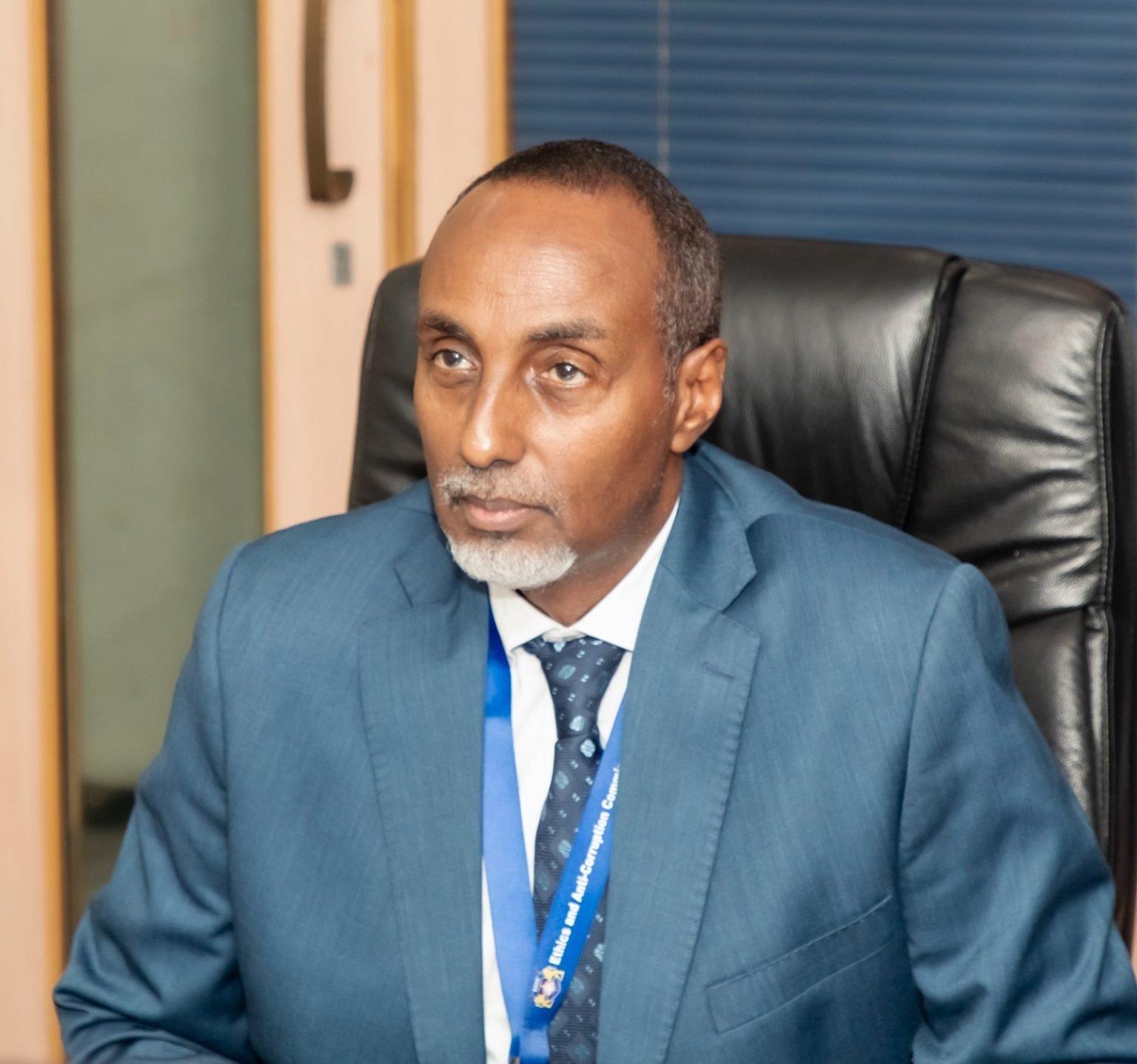
A troubling narrative of betrayal and broken promises has emerged from the corridors of Kenya’s anti-corruption watchdog, casting a shadow over the Ethics and Anti-Corruption Commission’s handling of one of the country’s most significant land scandals.
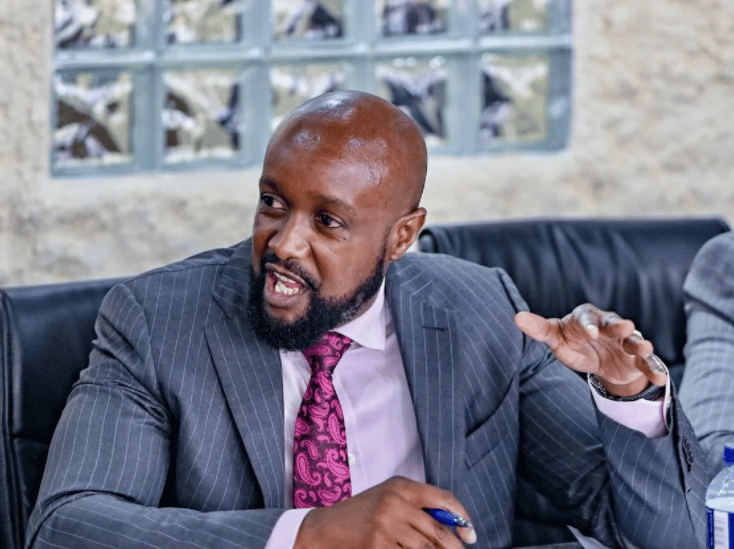
Meshack Dehay, the brave whistleblower who came forward with crucial evidence linking top government officials to the Sh3.2 billion Ruaraka land scam, now finds himself consumed by regret and feelings of abandonment.
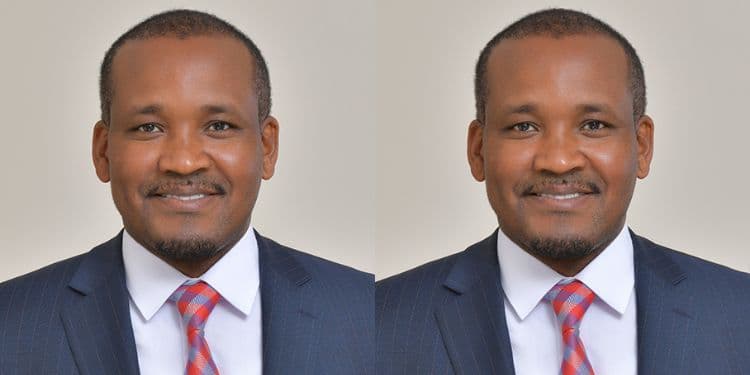
Sources close to the matter while speaking to a local newspaper, reveal that Dehay, who risked everything to expose the massive fraud, feels profoundly betrayed by EACC boss Abdi Mohamed, the very man who was supposed to protect him.
The whistleblower’s journey began with hope and civic duty.
Armed with a comprehensive dossier detailing how senior government officials orchestrated the multi-billion shilling heist of public land, Dehay approached the EACC with expectations of justice and personal safety.
He was allegedly promised witness protection in exchange for his cooperation, a standard procedure for individuals exposing high-level corruption that could endanger their lives.
However, the promise of protection appears to have been nothing more than empty words.
Instead of finding safety under the EACC’s wing, Dehay now lives in fear, watching helplessly as the very officials he exposed continue to operate with impunity.
His sense of betrayal has been compounded by disturbing rumors suggesting that Abdi Mohamed, who was then serving as head of investigations, may have maintained inappropriate contact with Francis Mburu, one of the scandal’s principal suspects.
The timing of these alleged communications raises serious questions about the integrity of the investigation.
If true, such contact would represent a fundamental breach of investigative protocols and could explain why the case has failed to deliver meaningful justice.
Mburu’s subsequent death has conveniently removed him from the equation, leaving many questions unanswered and justice unserved.
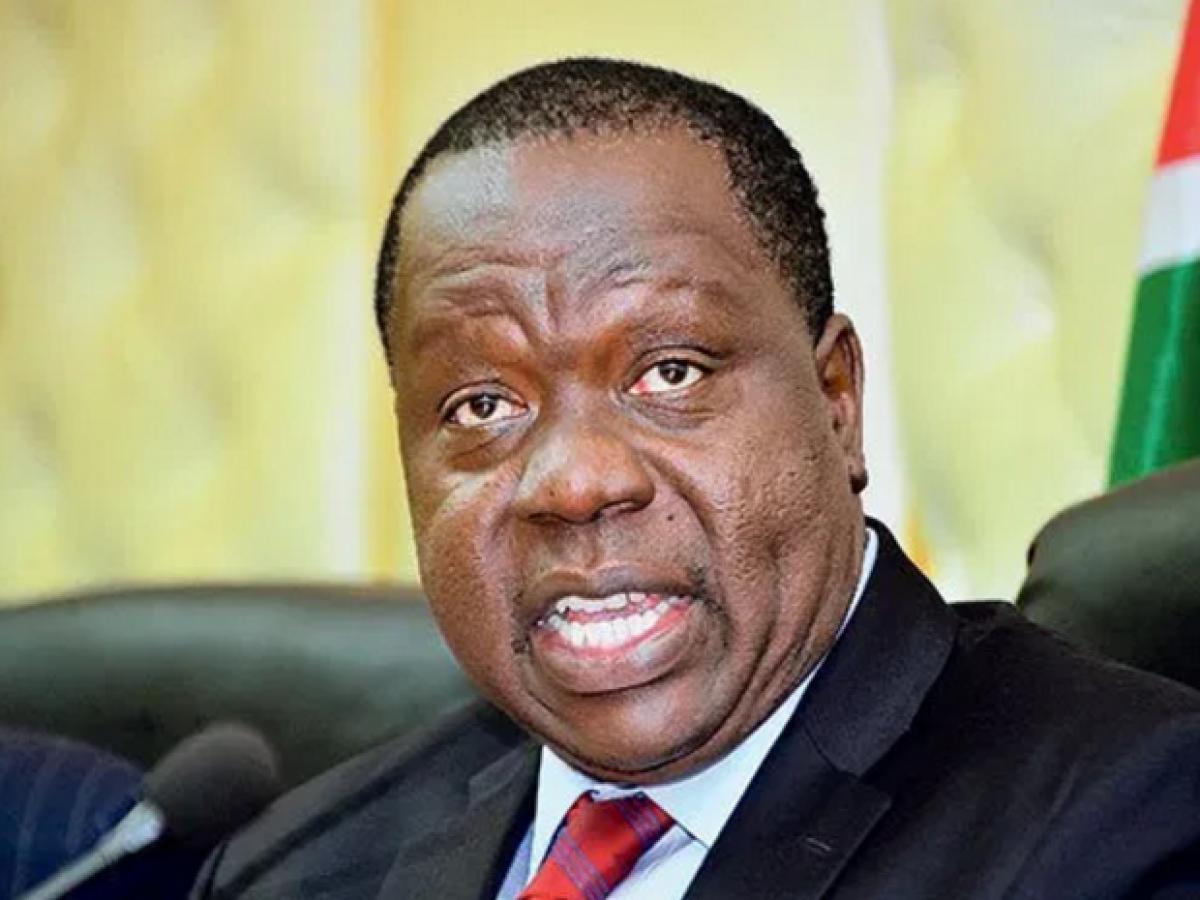
Adding insult to injury, Fred Matiangi, another key figure in the scandal, has not only escaped prosecution but has remarkably reinvented himself as a opposition leader, positioning himself as a champion against the current administration.
This political metamorphosis must be particularly galling for Dehay, who risked everything to expose Matiangi’s alleged role in the land grab.
The whistleblower’s disillusionment reflects a broader crisis of confidence in Kenya’s anti-corruption institutions.
The Ruaraka scandal is not an isolated case of EACC’s questionable handling of high-profile corruption cases.
Former Nairobi Governor Mike Sonko has previously accused Abdi Mohamed of inappropriate conduct, even releasing a video that allegedly showed the EACC boss receiving money in a hotel room.
Such allegations, whether proven or not, contribute to a perception of institutional compromise.
Recent events have only deepened concerns about Mohamed’s judgment and potential conflicts of interest.
The attendance of several governors from North Eastern Kenya at his child’s wedding, despite having pending cases before the EACC, raises questions about the blurring of professional and personal relationships in corruption investigations.
For Dehay, the personal cost of his decision to speak truth to power has been devastating. What began as an act of patriotism has become a source of deep regret.
His experience serves as a cautionary tale for other potential whistleblowers who might consider coming forward with evidence of high-level corruption.
If those who risk everything to expose wrongdoing cannot trust the very institutions meant to protect them, what hope exists for accountability in Kenya’s fight against corruption?
The Ruaraka land scandal, involving billions of shillings in public funds, demanded swift and decisive action.
Instead, it has become another example of how corruption investigations can be compromised, leaving whistleblowers vulnerable and the corrupt protected.
Dehay’s story is not just about one man’s regret; it is a damning indictment of a system that appears to betray those brave enough to defend it.
As Kenya continues to grapple with endemic corruption, the treatment of whistleblowers like Meshack Dehay will determine whether the country can build genuine accountability or will remain trapped in cycles of impunity.
For now, one courageous man’s decision to do the right thing has left him questioning whether justice exists for those who dare to challenge the powerful.



Comments