
Investigations
Multi-Million Dollar Fraud: Three Kenyans Face US Extradition in Massive Cybercrime Conspiracy
Trio accused of masterminding elaborate wire fraud scheme targeting American government agencies as FBI closes in on transnational criminal network

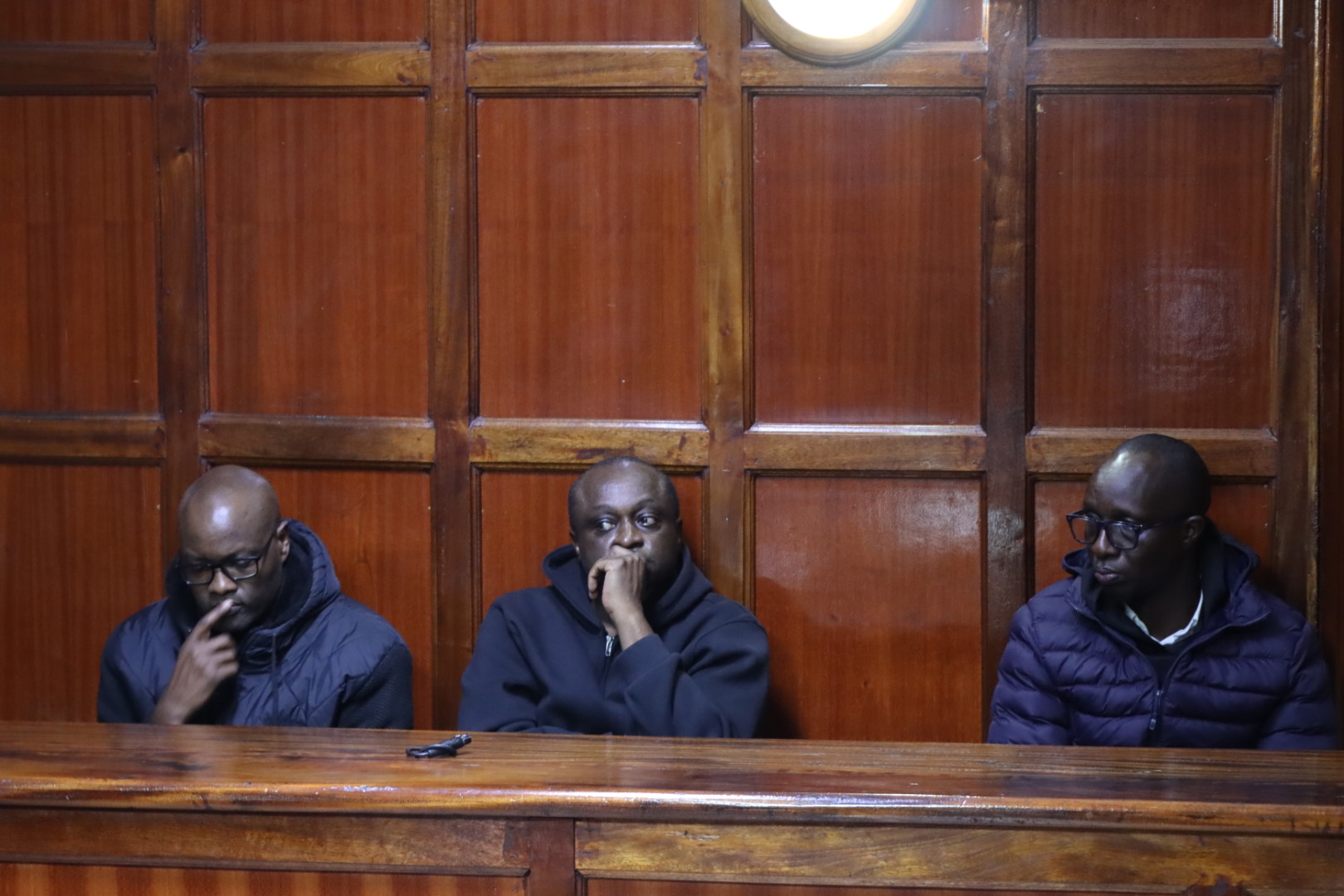
Three Kenyan nationals are staring at lengthy prison sentences in the United States after a Nairobi court ordered their detention pending extradition over their alleged involvement in a multi-million dollar wire fraud conspiracy that targeted American state and local government financial platforms.
Peter Omari, Francis Asanyo and Elvis Obaigwa appeared before Milimani Law Courts on Sunday where magistrates ordered them held at Kileleshwa Police Station for two weeks as US authorities prepare formal extradition papers through diplomatic channels.
The trio faces a catalogue of serious charges including conspiracy to commit computer intrusions, wire fraud, and aggravated identity theft. If convicted on all counts, they could each spend decades behind bars in American federal prisons.
Elaborate Criminal Enterprise
Court documents reveal a sophisticated operation that reads like a Hollywood heist movie. Between April 2019 and their arrest, the three allegedly orchestrated what American prosecutors describe as a textbook Business Email Compromise scheme that defrauded unsuspecting victims of millions of dollars.
Their modus operandi was chillingly simple yet devastatingly effective. The suspects allegedly registered internet domains that looked almost identical to legitimate companies doing business with government agencies. They then created email accounts using these deceptive domains and deployed social engineering tactics to trick victims into rerouting payments to accounts they controlled.
But the conspiracy did not end there. According to Inspector Joshat Chebon of the Directorate of Criminal Investigations Financial Investigations Unit, the trio recruited accomplices in the United States known in criminal parlance as “Money Mules” to receive the stolen funds. These individuals would then launder the money back to Kenya, completing the criminal circle.
International Manhunt
The wheels of justice began turning three years ago when the US District Court for the Eastern District of Virginia issued arrest warrants for the three on November 15, 2023. The warrants were the culmination of an FBI investigation that had tracked the suspects’ activities across continents.
Their arrest last week came as the result of a joint operation involving Kenya’s Directorate of Criminal Investigations, Interpol and the Federal Bureau of Investigation. The suspects are believed to have fled the United States before investigators closed in on them.
Director of Public Prosecutions Renson Ingonga told the court that the allegations against the three constitute serious offences under Sections 28, 29 and 30 of Kenya’s Computer Misuse and Cybercrime Act. The magistrate agreed, ruling that the DPP had established sufficient grounds to justify their continued detention.
Growing Cybercrime Menace
The case shines a harsh spotlight on Kenya’s growing reputation as a hotbed for cybercriminals targeting international victims. Business Email Compromise scams have exploded globally, with the FBI reporting that such schemes cost American businesses and government agencies billions of dollars annually.
Kenya, dubbed the Silicon Savannah for its vibrant tech ecosystem, has become an attractive base for sophisticated cybercrime syndicates. The country’s robust digital infrastructure, combined with pockets of inadequate cybersecurity enforcement, has created fertile ground for criminals operating on a global scale.
In 2019, Operation reWired, a massive FBI-led international crackdown on BEC schemes, resulted in arrests across multiple continents including several in Kenya. The operation disrupted and recovered approximately 118 million dollars in fraudulent wire transfers and exposed the transnational nature of these criminal networks.
High Stakes Legal Battle
Defense lawyer Ishmaek Nyaribo informed the court that his clients were unwell and reluctant to speak with police investigators. Counsel Danstan Omari argued that the suspects have a constitutional right to respond to police questioning. The court subsequently ordered that the three be escorted to hospital for treatment.
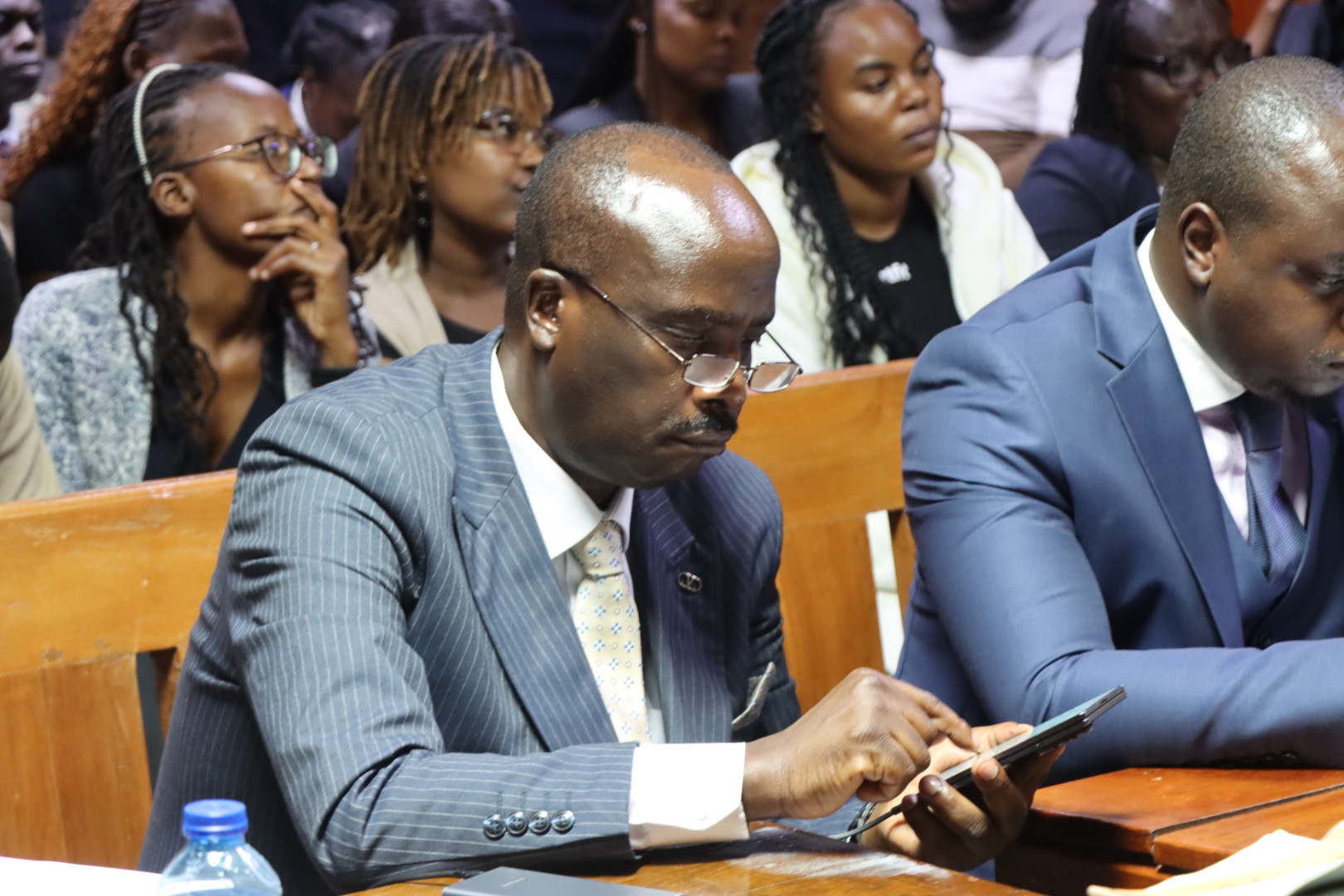
The extradition process now enters a critical phase. During their detention, US law enforcement agencies are expected to submit a formal extradition request through diplomatic channels. Kenya and the United States have an extradition treaty dating back to 1969, which has been invoked in numerous high-profile cases over the years.
Legal experts note that for extradition to succeed, the offences must satisfy the principle of double criminality, meaning they must be considered crimes in both Kenya and the United States. Given that Kenya’s Computer Misuse and Cybercrime Act criminalizes similar conduct, this threshold appears easily met.
Pattern of Cross-Border Criminality
This case is far from isolated. Recent years have seen several Kenyans extradited to the United States to face fraud and money laundering charges. In September 2025, Ahmednaji Maalim Aftin Sheikh, a 28-year-old Kenyan national, was indicted for his role in laundering millions of dollars in proceeds from the massive Feeding Our Future fraud scheme in Minnesota.
Sheikh allegedly helped his brother stash millions in Kenya by purchasing real estate, including an apartment building in Nairobi’s South C neighborhood and land in Mandera Town. The case highlighted how Kenya has become a destination for laundering proceeds of crimes committed abroad.
In 2022, a Nairobi court ordered the extradition of Abdulrahman Imraan Juma to face charges of conspiracy to commit wire fraud and money laundering in connection with schemes targeting American victims.
If extradited and convicted, Omari, Asanyo and Obaigwa face maximum sentences that could see them locked away for decades. Wire fraud carries a maximum penalty of 20 years in federal prison per count, while conspiracy to commit computer intrusions carries up to five years. Aggravated identity theft carries a mandatory minimum sentence of two years.
The case will be mentioned in court in a fortnight for further directions. Meanwhile, the three remain in custody at Kileleshwa Police Station as the extradition machinery grinds into motion.
For Kenya’s growing tech sector, the case serves as yet another reminder that the country’s digital revolution must be accompanied by robust mechanisms to prevent its infrastructure from being exploited by criminals. As one FBI official grimly noted after Operation reWired, cybercriminals may operate from halfway around the world, but they are never truly beyond the reach of international law enforcement.
The message to would-be fraudsters is unequivocal: you can run, but in the interconnected world of modern policing, there is nowhere left to hide.
Kenya Insights allows guest blogging, if you want to be published on Kenya’s most authoritative and accurate blog, have an expose, news TIPS, story angles, human interest stories, drop us an email on [email protected] or via Telegram


Karua Detained at Entebbe as Uganda Blocks Besigye Lawyer From Entering Country

How KCB and Airtel Turned Kenya’s Unbanked Into a Data Goldmine Behind a ‘Financial Inclusion’ Deal

The Chivayo Network: How a Convicted Fraudster Won Access to Presidents, Passports and Billion-Dollar Deals Across Africa

BURRIED TWICE: The Victoria Bank CEO Yogesh Pattni Files

Court Stops Transfer Of EABL Shares To Asahi By Diageo In A Fresh Snag

Death Before Justice: Stephen Ngei, Victim of Sh180 Million Laptop Tender Scam Linked to Allan Chesang, Killed in Highway Crash

Court Brands Sh1.1 Billion Fee Demand by Lawyer Victor Swanya “Excessive and Exorbitant,” Exposes How City Hall Lets Public Money Bleed Through Legal Bills

Trump Unveils New Air Force One

MR. NO SHOW: Finance Bill 2026 Exposes Ndindi Nyoro’s Political Conmanship

Billionaire Eric Muli Rebukes Musalia Mudavadi Over Nairobi Capital Relocation Debate

Businessman Philip Waithaka Kinuthia’s Minor Son Allegedly Drove Drunk, Killed Two Peponi Students in Ngong Road Horror Crash as Claims of Cover-Up Intensify

Inside NCBA’s Decline: How a Banking Giant Lost Its Strategic Edge

Cement, Cash and Courts: How the Hashu Dynasty Crushed the Ramji Brothers for Fourteen Years and Why the Walls Are Now Closing In

Standard Chartered Ghosts Haunt Joshua Oigara At Stanbic As Whistleblower Spills Beans

South Sudan: Adut Salva Kiir’s Shadow Treasury Exposed

Inside The Urban Planning Cartel That Owns Nairobi

THE VULTURE AND THE SCHEME How Nairobi West Hospital Became the Most Dangerous Institution in Kenya’s SHA Ecosystem and Why the Books Must Be Audited Now

How Adil Popat Saved His Empire On The Eve Of Imperial Bank Collapse and Why Kenya’s Mainstream Media Buried The Story

The President’s Daughter and The Missing Witness: How Adut Salva Kiir’s Shadow Treasury Silenced Its Most Dangerous Critic

Why John Ngumi Is Running From the EACC and Why the Sh415 Million Payday May Be the Least of His Worries
-
 News1 week ago
Businessman Philip Waithaka Kinuthia’s Minor Son Allegedly Drove Drunk, Killed Two Peponi Students in Ngong Road Horror Crash as Claims of Cover-Up Intensify
-
 Business2 weeks ago
Inside NCBA’s Decline: How a Banking Giant Lost Its Strategic Edge
-
 Business2 weeks ago
Standard Chartered Ghosts Haunt Joshua Oigara At Stanbic As Whistleblower Spills Beans
-
 Africa2 weeks ago
South Sudan: Adut Salva Kiir’s Shadow Treasury Exposed
-
 Investigations4 days ago
THE VULTURE AND THE SCHEME How Nairobi West Hospital Became the Most Dangerous Institution in Kenya’s SHA Ecosystem and Why the Books Must Be Audited Now
-
 Business2 weeks ago
How Adil Popat Saved His Empire On The Eve Of Imperial Bank Collapse and Why Kenya’s Mainstream Media Buried The Story
-
 Africa2 weeks ago
The President’s Daughter and The Missing Witness: How Adut Salva Kiir’s Shadow Treasury Silenced Its Most Dangerous Critic
-
 Business2 weeks ago
Why John Ngumi Is Running From the EACC and Why the Sh415 Million Payday May Be the Least of His Worries