
Africa
Probe Opened as Hijacked Petronas Exit Deal Costs South Sudan $600m in Lost Oil Revenue
At the centre of the scandal is the stalled acquisition of Petronas’ stakes in South Sudan’s oil blocks, a deal originally sanctioned by President Salva Kiir and billed as a national game-changer.

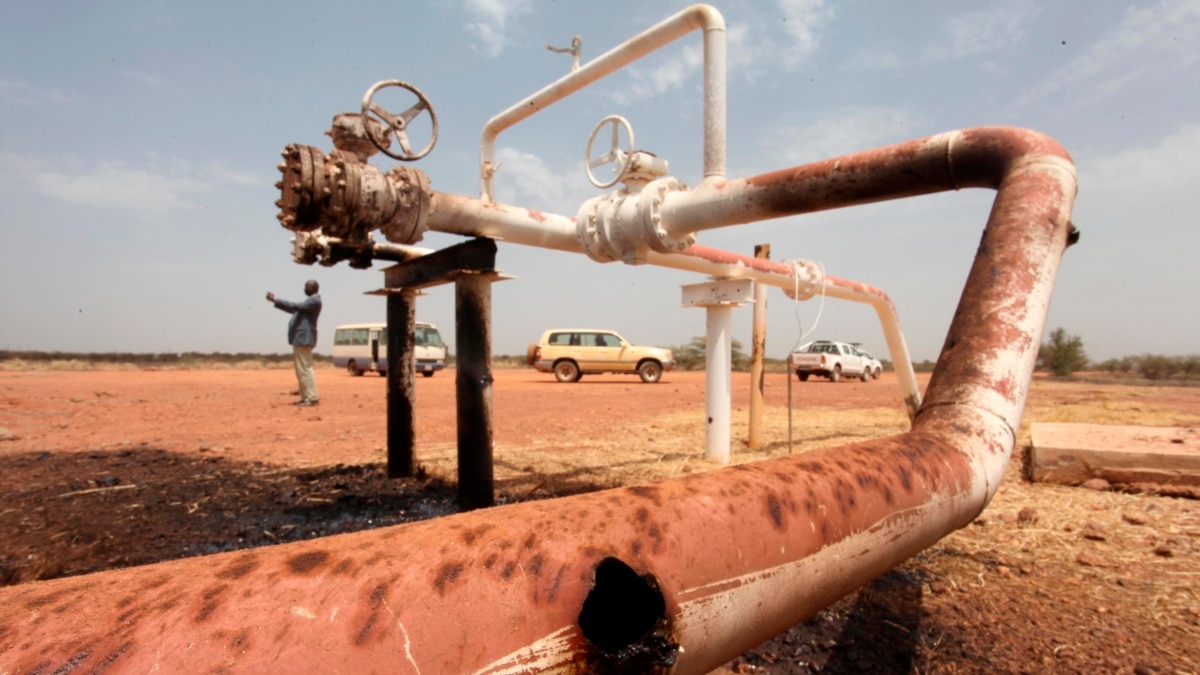
A high-stakes probe has been launched in South Sudan’s oil sector after investigators concluded that a botched takeover of Petronas assets has bled the country an estimated $600 million in lost revenue, deepening a fiscal crisis marked by unpaid salaries and widening deficits.
The investigations, initiated after the appointment of Emmanuel Athiei Ayual as Nile Petroleum Corporation managing director and Dr Chol Thon Abel as Secretary General at the Ministry of Petroleum in November 2025, are now tracing what officials describe as systemic governance failures and possible institutional capture under the previous administration.
At the centre of the scandal is the stalled acquisition of Petronas’ stakes in South Sudan’s oil blocks, a deal originally sanctioned by President Salva Kiir and billed as a national game-changer. When Petronas announced its exit on August 7, 2024, it held major interests across all three national oil consortia, including 40 per cent of DPOC, 30 per cent of GPOC and a controlling 67.8 per cent of SPOC. The buyback was designed to give the state immediate control of producing assets without upfront capital, with payments structured against future oil output.
Fifteen months later, the ownership transfer remains incomplete. Arbitration proceedings initiated by Petronas at the International Centre for Settlement of Investment Disputes are still ongoing, while officials estimate the country has already forfeited about $600 million that should have flowed to the Treasury from production-linked revenues.
Sources within Nilepet and the Ministry of Petroleum insist the problem was not the deal itself. Instead, they point to paralysis that set in after operational oversight shifted to then Vice President Benjamin Bol Mel, former Petroleum Ministry Secretary General Deng Lual Wol and former Nilepet chief executive Ayuel Ngor Kacgor. Approvals stalled, timelines slipped and international partners were left in limbo, even as oil continued to flow with little benefit to the state.
Senior officials privately describe the situation as economically irrational. With public servants enduring months of salary arrears, they argue that unlocking revenue from producing assets should have been an urgent priority. “This was meant to generate cash immediately,” said one official involved in the negotiations. “Instead, we imposed austerity while money sat trapped in administrative deadlock.”
Attention has also turned to the role of foreign partners. Multiple sources accuse Chinese state firms CNPC and Sinopec of refusing to grant key technical and operational approvals required to complete the transfer, effectively blocking the deal. Their stance contrasts with India’s ONGC and Egypt’s Tri-Ocean Energy, which have supported the takeover.
China’s dominance in South Sudan’s oilfield services sector, from drilling to logistics, has given it outsized leverage over production decisions. Policymakers now warn that this influence has become a structural threat to South Sudan’s economic sovereignty, allowing external actors to dictate the pace at which national revenues are realised.
Investigators are further examining controversial consultancy payments made during the period. A Dutch national, Cornelis Nicolaas Abraham Loos, a reported associate of former Nilepet CEO Ayuel Ngor Kacgor, is said to have been hired on a $100,000-a-month contract while nearly 3,000 Nilepet workers went unpaid for months, triggering strikes in June 2025. Authorities are probing whether Loos or linked entities had commercial interests in Chinese oilfield service companies, potentially shedding light on inflated contracts, rising operating costs and declining output.
The probe has also exposed what officials call a shocking lack of professional safeguards. While Petronas relied on top-tier international law firms and financial advisers, Nilepet allegedly engaged no reputable external counsel or investment bank. Negotiations over assets worth hundreds of millions of dollars were reportedly conducted in hotel rooms in Dubai and Nairobi, with thin documentation and little institutional oversight.
To make matters worse, investigators say key contracts were destroyed or removed by former officials, leaving the current leadership without access to crucial agreements. Although Ayuel Ngor Kacgor was dismissed in November 2025, he is believed to still sit on boards of operating companies registered in Mauritius and to receive remuneration linked to legacy arrangements.
The political backdrop has sharpened scrutiny. On November 12, 2025, President Kiir dramatically sacked Vice President Benjamin Bol Mel, stripped him of his general’s rank, demoted him to private and placed him under house arrest in Juba. Yet fundamental questions remain unanswered: where did the international financing for the acquisition go, who authorised the lavish consultancy fees and why the transfer remains stalled nearly 18 months after Petronas walked away.
The crisis fits a broader pattern. The UN Human Rights Commission estimates that about $25.2 billion in oil revenues generated since independence in 2011 remain almost entirely opaque in their use, fuelling public anger and mistrust.
Now, a new leadership team led by Petroleum Minister Dr Bak Barnaba Chol, Emmanuel Athiei Ayual and Dr Chol Thon Abel is racing to untangle what insiders describe as a toxic legacy. They face missing paperwork, legal disputes, operational disruptions at the Heglig oil field and what they believe is deliberate obstruction by entrenched interests.
For many in South Sudan’s energy sector, finalising the Petronas–Nilepet deal is still within reach and could mark a turning point by restoring revenue flows and reinforcing national sovereignty. Until then, the country remains trapped between reform efforts and the heavy cost of past mismanagement, with hundreds of millions of dollars still locked out of reach.
Kenya Insights allows guest blogging, if you want to be published on Kenya’s most authoritative and accurate blog, have an expose, news TIPS, story angles, human interest stories, drop us an email on [email protected] or via Telegram


KETRACO CEO Advert Marred By Controversies As Fears Grow That Kipkemoi Kibias Is A Predetermined Candidate

I Will Bribe Every Judge in Town- MP Jack Wamboka

KNH ON THE BRINK: How Corruption, Revenue Plunder and State Neglect Are Destroying Kenya’s Flagship Hospital

Receivers In TransCentury Sh6B KRA Tax Arrears Are Biased And Must Be Removed, COFEK Claims

The Man Behind the Badge: How Prof. Erastus Kanga Turned Kenya’s Premier Wildlife Agency into a Theatre of Corruption, Fear and Impunity

City Lawyer Conrad Maloba Arrested Over Fake Ambulance Fraud

THE FIXER IN THE FILE ROOM: How Parliamentary Health Committee Clerk Adan Gindicha Cleared Mediheal Hospital of Organ Harvesting Claims Despite Mounting Evidence

Nairobi Freezes Binance Accounts in Sweeping Anti-Fraud Crackdown as Global Scandal Record Haunts World’s Largest Crypto Exchange

EXCLUSIVE: Odibets Bought Stolen Data From Millions Of Kenyans

Taiwan President Cancels Trip After African Countries Close Airspace

Forged Legacy: How Kaplan and Stratton’s Peter Gachuhi Is Accused of Faking a Top AG’s Will as State Claims Damning Evidence

Inside Details Of Sh78 Billion Fraud in KPC’s Mombasa-Nairobi Line 5 Pipeline Project That Has Continued To Bleed The Country

The Lawyer at the Centre of Kenya’s State Machine: Eric Gumbo, the AG’s Bypassed Office, and the Half-Billion-Shilling Question

Sold And Abandoned: How Diageo and Asahi Are Locking Kenya’s EABL Minority Shareholders Out Of East Africa’s Biggest Corporate Heist

Poison at the Pump: How Kenya’s Fuel Marking System May Be Exposing Millions to Cancer-Causing Chemicals

How Firm Linked To Mombasa Tycoon Jaffer Was Allowed To Import Fuel At Bloated Price And Set To Make Billions In Profits From Iranian War Crisis In Kenya

THE ZAKHEM-ECOBANK MACHINE: How Kenya’s Courts Were Weaponised to Drain a State Corporation of Over KES 78 Billion

The Teflon Company: How Gulf Energy’s Insiders Built Billions on Kenya’s Fuel, and Walked Away Clean

Mombasa Lawyer Exposed In Sh600 Million Alleged Double-Dealing Diani Property Transaction

Kenyan Motorists Stare At Possible Engine Damage And Heavy Losses As Report Confirms Substandard Fuel In Circulation
-
 Business2 weeks ago
Kenyan Motorists Stare At Possible Engine Damage And Heavy Losses As Report Confirms Substandard Fuel In Circulation
-

 Business1 week ago
THE FUEL CABAL: How Mohamed Jaffer, a KPC Insider, and a Ministry Official Are Alleged to Have Manufactured Kenya’s Worst Petroleum Crisis in Three Years, While Kenyans Burned
-
 Business2 weeks ago
Getting Away With It: How Kenya’s Most Politically Connected Fuel Company Gulf Energy Is Pocketing Billions While Rival Firms Face Public Wrath
-
 Business5 days ago
Nairobi Freezes Binance Accounts in Sweeping Anti-Fraud Crackdown as Global Scandal Record Haunts World’s Largest Crypto Exchange
-
 Investigations5 days ago
EXCLUSIVE: Odibets Bought Stolen Data From Millions Of Kenyans
-

 Business2 weeks ago
Sugar Empire in the Dock: How Kibos’s Mombasa Refinery Landed 1,481 Phantom Tonnes at the Port — and Why Nine Government Agencies Are Now Watching Its Every Move
-

 Investigations6 days ago
THE BRAZEN RETURN: Triton Thief Yagnesh Devani, Who Pillaged Kenya of Sh7.6 Billion and Fled, Now Asks the Same Courts He Escaped to Restore His Stolen Wealth
-
 Investigations4 days ago
THE FIXER IN THE FILE ROOM: How Parliamentary Health Committee Clerk Adan Gindicha Cleared Mediheal Hospital of Organ Harvesting Claims Despite Mounting Evidence