
News
Kenyan Woman Arrested In Mumbai Airport For Sh238M Liquid Cocaine Smuggling Hidden in Lotion Bottles
This latest incident adds to a worrying trend of Kenyan nationals being implicated in international drug trafficking.

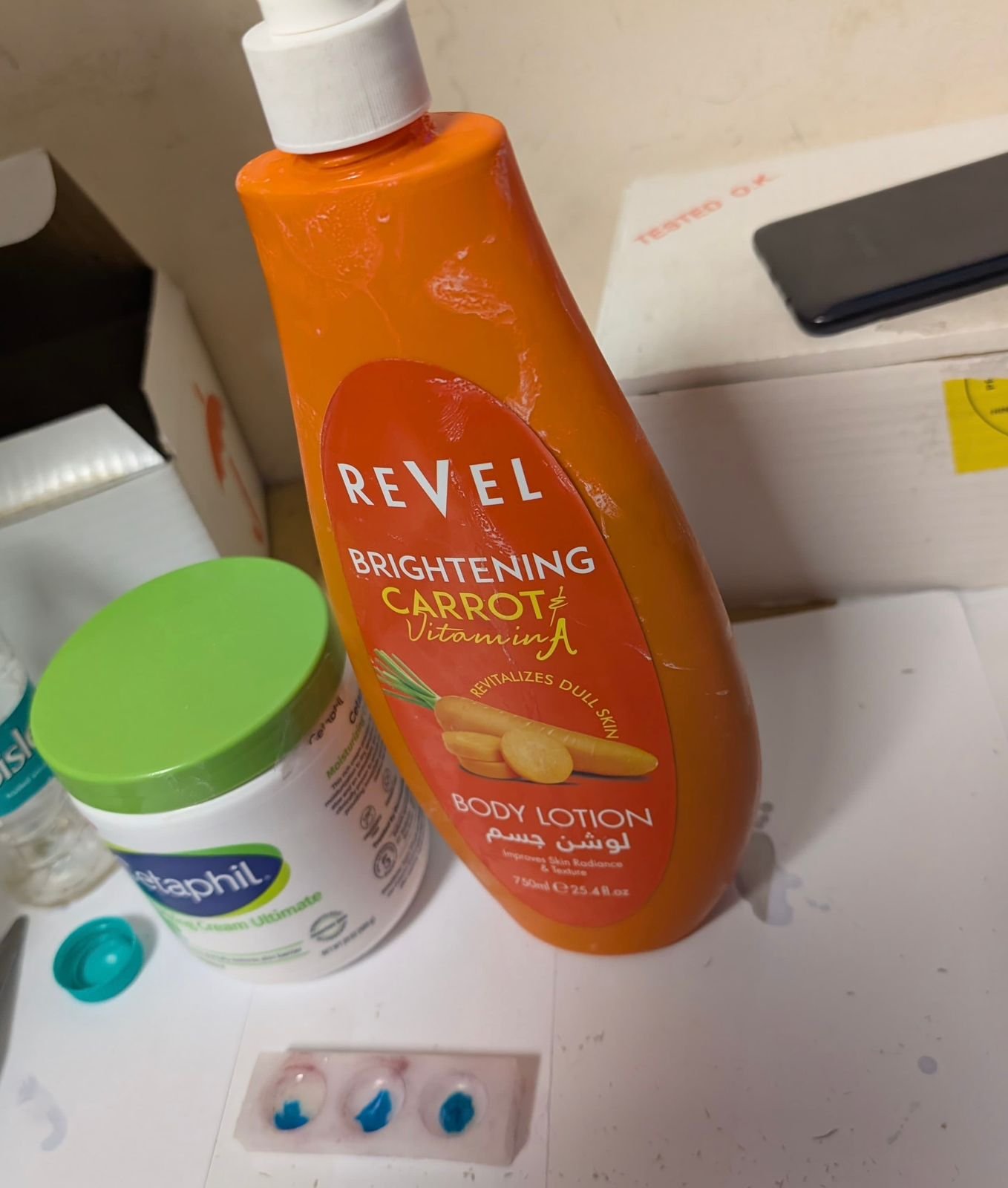
Officials from India’s Directorate of Revenue Intelligence (DRI) have confirmed the arrest of a Kenyan woman at Chhatrapati Shivaji Maharaj International Airport (CSMIA) in Mumbai. Authorities discovered 1.57 litres of liquid cocaine concealed within cosmetic bottles.
The seized narcotics are estimated to be worth Ksh238 million.
The suspect, whose identity has not been disclosed, was arrested under India’s Narcotic Drugs and Psychotropic Substances (NDPS) Act.
Authorities are currently investigating the intended recipient of the cocaine and the wider network involved in the smuggling operation.
This arrest follows an intelligence tip-off and highlights the growing trend of sophisticated drug smuggling attempts targeting Indian airports, particularly those involving Kenyan nationals transiting through Addis Ababa.
DRI officers detected the concealed drugs during a routine baggage inspection. The liquid cocaine had been disguised in two bottles labelled as moisturising lotion, exploiting the similar viscosity of the substances.
This latest incident adds to a worrying trend of Kenyan nationals being implicated in international drug trafficking.
Just weeks earlier, on April 3, another Kenyan woman was apprehended at an Indian airport with 1.7 kilograms of cocaine, valued at a staggering Ksh225–300 million.
Before that, a separate case at CSMIA (Chhatrapati Shivaji Maharaj International Airport) saw a Kenyan woman arrested for smuggling cocaine worth Ksh215 million.
The repeated arrests highlight an alarming escalation in Kenya’s role in global narcotics networks, sparking concerns over the country’s vulnerability to drug cartels.
Authorities believe many arrested couriers are recruited by highly organised criminal networks that prey on vulnerable individuals for drug trafficking.
The prevalence of Kenyan women among these couriers suggests a deliberate recruitment strategy by syndicates seeking individuals less likely to arouse suspicion.
These cases also expose significant vulnerabilities in African transit hubs, such as Nairobi’s Jomo Kenyatta International Airport and Addis Ababa’s Bole International Airport, which have become key nodes in global drug trafficking routes.
Smugglers exploit weaknesses in airport security and passenger profiling systems to transport narcotics undetected.
The rising number of drug smuggling cases involving Kenyan nationals underscores the urgent need for Kenyan authorities to reassess counter-narcotics strategies and strengthen collaboration with international law enforcement agencies.
Kenya Insights allows guest blogging, if you want to be published on Kenya’s most authoritative and accurate blog, have an expose, news TIPS, story angles, human interest stories, drop us an email on [email protected] or via Telegram


Caleb Amisi Says Linda Mwananchi Has Lost Direction, Announces Plans To Form A New Movement

Air Canada Pilot Flew Passengers For Years With A Fake Pilot’s License, Police Say

Itumbi Claims Kalonzo Has Settled on Sifuna as Running Mate

THE KURIA NETWORK TAKES THE BOARDROOM: How Moses Kuria’s Inner Circle Seized Control of Africa Mega Agricorp And the Paper Trail That Links It All

Who Is The Somali Referee Barred From Entering The US For The World Cup?

Inside NCBA’s Decline: How a Banking Giant Lost Its Strategic Edge

Shiquo wa Hii Style Counts Costly Lesson After Anti-Counterfeit Raid Wipes Out Shop Stock

“Are They Giving Kickbacks To Government Officials?” The Scandalous Record Behind Kenya’s Most Favoured Chinese Contractor

Two MPs Defrauded of Sh93.5 Million in Karen Land Scam

Gachagua Rejects Sh50 Million Court Compensation, Calls It An Insult

Cement, Cash and Courts: How the Hashu Dynasty Crushed the Ramji Brothers for Fourteen Years and Why the Walls Are Now Closing In

Inside The Urban Planning Cartel That Owns Nairobi

Why Ruto’s Favourite Candidate Adan Mohammed Could Be Locked Out of the KRA Top Job

LifeCare on the Brink: SHA Fraud, Stolen Wages, and the Rotten Empire Jayesh Saini Built

Este Medical Kenya Fights American’s Explosive Complaints

Betika Faces DCI Probe, Directors Arrest and License Revocation Over Massive 29.5 Million Safaricom Customers’ Data Breach

The Rot Inside Absa: How Bank Insiders Are Looting Nairobi’s Customers

Inside FAFSA Fraud: How Kenyan Cybercriminals Siphoned Millions from America’s Sh12 Billion Student Loan System

Fresh Move Launched to Remove Kenya Railways MD Mainga From Office After Awarding Sh817 Million Consultancy Contract

Court Confirms Safaricom Customers Data Was Sold To Betting Companies In Seven-Year Cover-Up
-
 Investigations6 days ago
Cement, Cash and Courts: How the Hashu Dynasty Crushed the Ramji Brothers for Fourteen Years and Why the Walls Are Now Closing In
-
 Investigations5 days ago
Inside The Urban Planning Cartel That Owns Nairobi
-
 Investigations1 week ago
Betika Faces DCI Probe, Directors Arrest and License Revocation Over Massive 29.5 Million Safaricom Customers’ Data Breach
-
 Investigations6 days ago
Fresh Move Launched to Remove Kenya Railways MD Mainga From Office After Awarding Sh817 Million Consultancy Contract
-

 News2 weeks ago
Eight Students Arrested In Kenya After Suspected Deadly School Arson Attack
-

 News2 weeks ago
How Uhuru’s Deal With Obama In 2015 Paved Way For America’s Ebola Plan In Kenya
-

 Business7 days ago
TRUST BETRAYED: How Senior DTB Bank Insiders Allegedly Looted Sh149 Million From a Customer’s Account Over Five Years
-

 Investigations4 days ago
Why Drivers Cheered Bolt’s Reported Exit: Inside the Slow Financial Strangulation of Thousands of Kenyan Drivers and Riders in Kenya