
Politics
Cleophas Malala Under Fire for Exploiting School Kids for Political Gain


Politician Cleophas Malala is facing fierce backlash from thespians, educators, and political leaders for allegedly using school drama festivals to push his political agenda.
Critics accuse him of exploiting young learners by scripting politically charged plays, risking their mental well-being and education.
His latest play, Echoes of War, was banned from the Western Regional Drama Festival, reigniting outrage over his repeated misuse of school theater.
Veteran thespians and governance experts like Dan Onyancha and former KNUT Secretary-General Wilson Sossion have condemned Malala’s actions, calling them selfish and illegal.
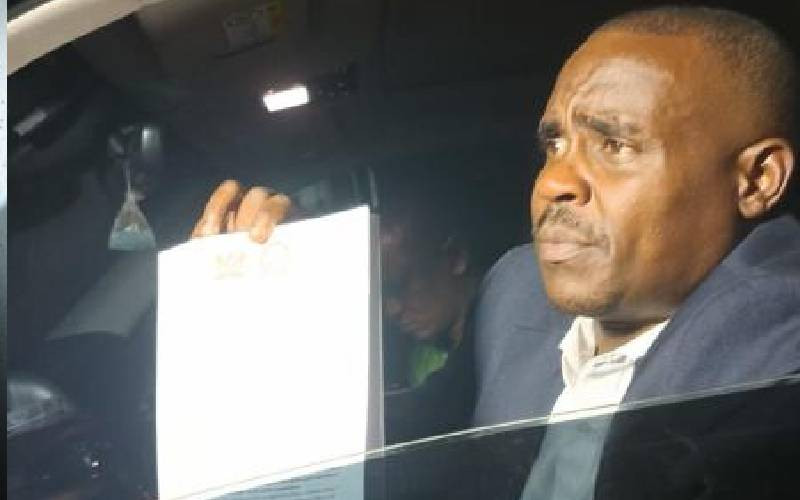
Why Cleophas Malala’s Tactics Are Dangerous
Cleophas Malala’s transformation from a thespian to a politician has brought with it an unsettling trend: turning school drama festivals into political platforms.
The most recent controversy erupted when Echoes of War, a play directed by Malala for Kirobon High School, was disqualified from the Western Regional Drama Festival.
The play, like Shackles of Doom in 2013, was faulted for embedding divisive political messages. The backlash was swift.
Dan Onyancha, a veteran thespian and respected leadership expert, voiced deep concern over Malala’s continued manipulation of school theatre.
“Malala must stop poisoning school theatre with his selfish agenda,” he said during a media briefing. “School drama should be a safe space for young people to grow artistically and intellectually—not a stage for political revenge.”
Onyancha emphasized that theatre in education serves as a powerful tool to nurture critical thinking, empathy, and creativity.
He warned that dragging students into adult political feuds compromises their learning environment and psychological safety.
By injecting personal grievances into school productions, Malala shifts focus from artistic learning to political agitation.
Instead of nurturing creativity, he turns students into unwilling participants in his battles.
Sossion Accuses Malala of Overstepping Boundaries
Former KNUT Secretary-General Wilson Sossion also condemned Malala’s involvement in school drama. In a live TV interview on April 10, 2025, Sossion pointed out that Malala’s direct role in writing and directing school plays violates education regulations.
“Malala is not a trained teacher,” said Sossion. “His direct involvement in school productions contravenes the Teachers Service Commission Act. This is an overreach and a misuse of student platforms.”
Sossion emphasized that drama festivals play a vital role in student development, but politicians should not hijack them for political messaging.
He further argued that by injecting controversial political content, Malala is exposing learners to risks including public scrutiny, censorship, and undue stress.
Echoes of War or Echoes of Irresponsibility?
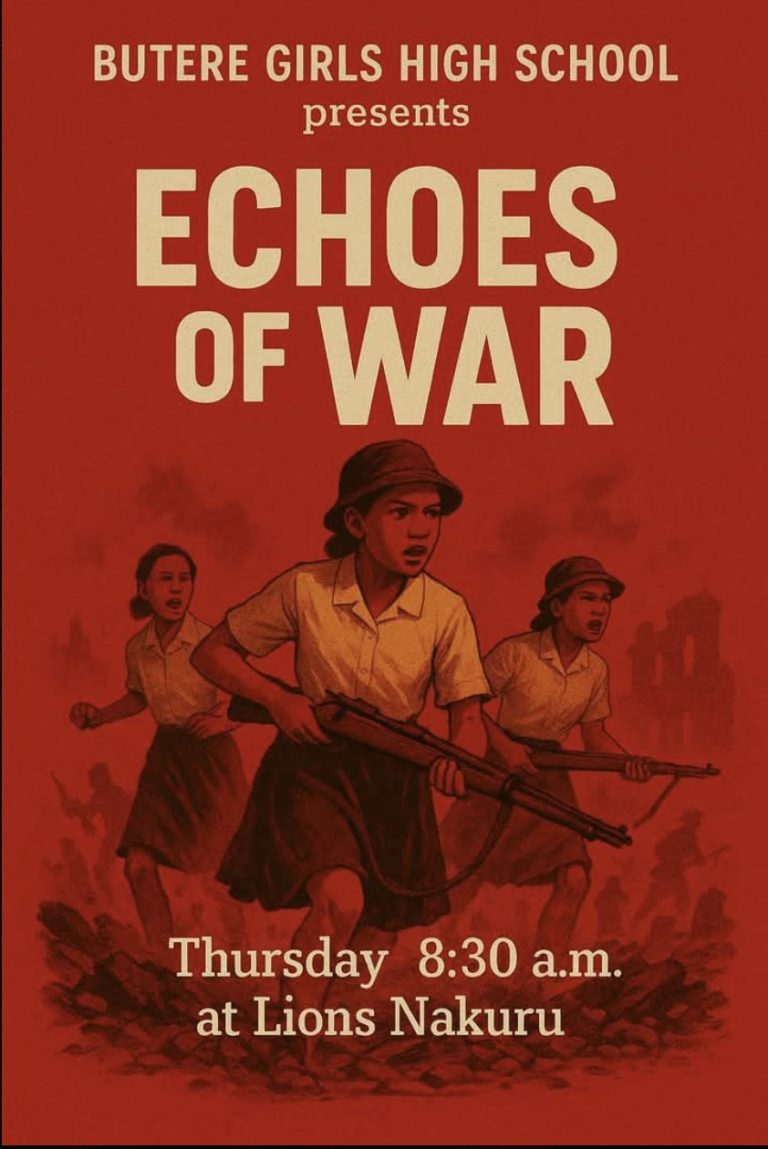
Malala’s controversial play, Echoes of War, centers on themes of betrayal, political oppression, and rebellion, reflecting much of Kenya’s current political climate.
Critics argue that these themes, when presented through the lens of teenage performers, serve more as tools for political influence than as lessons in theatre.
The Kenya National Drama and Film Festival Secretariat cited “overt political messaging” as the reason behind the disqualification.
This is not the first time Malala’s work has stirred trouble. His 2013 play, Shackles of Doom, performed by Butere Girls, faced a ban due to its tribalist overtones and critique of resource allocation.
Instead of learning stagecraft and storytelling, students have found themselves entangled in adult controversies.
In doing so, Malala has not only misused his influence but also distorted the original purpose of drama in education.
Kileleshwa MCA Robert Alai also weighed in, urging the Interior Ministry to protect children from exploitation.
Quoting Article 53 of the Constitution, Alai argued that Malala’s actions violate children’s rights to a safe, abuse-free education.
School Theatre Must Remain a Safe Space
Stakeholders are now calling for stricter guidelines to prevent future misuse of school festivals.
Wilson Sossion proposed that only certified teachers should be allowed to direct or write plays for school competitions.
“This is not about silencing artistic expression,” he clarified. “It’s about protecting our learners and upholding the integrity of our education system.”
Dan Onyancha called on the Ministry of Education and drama festival organizers to be vigilant. “We must ensure that no child becomes collateral damage in the political ambitions of adults,” he said.
The outrage is not about stifling creativity, but about redirecting it toward constructive, educational goals.
As schools prepare for the next drama festival season, the call is clear: Let theatre be for students—not for politicians.
Kenya Insights allows guest blogging, if you want to be published on Kenya’s most authoritative and accurate blog, have an expose, news TIPS, story angles, human interest stories, drop us an email on [email protected] or via Telegram












Lobby Group Moves To Court To Block Proposed US Ebola Quarantine Facility In Kenya

Kenyan Rapper Trapped In The Black Market

Motorists To Start Getting Instant Fines For Minor Traffic Offenses Via Text, Emails From June 1, NTSA Announces

The Kenyan in the Room: How Jeremy Gisemba Became a Principal in South Sudan’s Biggest Tax Heist

The Karen Predator: Agnes Kagure Has Spent A decade Trying To Steal A Dead Briton’s Land, And Now Betting On A Technicality Loophole

Meta Launches Paid Subscriptions For Instagram, Facebook, and WhatsApp

On Uthamaki’s Bogeyman Politics: Time to Call the Demonization of President Ruto What It Is

Mt Kenya UDA MPs Give Hassan Omar 48 Hours to Quit

Kenya In Talks With US, Duale Breaks Silence On Alleged Ebola Quarantine Plan

Trump To Set Up Quarantine Facility In Kenya For Americans Exposed to Ebola

How Did a Sh468K KRA Salary Allegedly Turn Into Sh30 Billion? Questions Deepen Over Commissioner George Obel and Ciala Resort Owner’s Wealth

Why Ruto’s Favourite Candidate Adan Mohammed Could Be Locked Out of the KRA Top Job

Green Gold, Rotten Roots: How Kenya’s Biggest Avocado Firms Hijacked a Sh5.8 Billion Harvest Ban

Safaricom’s Sh1.4 Billion Reckoning: How Kenya’s Most Profitable Company Stole a Man’s Idea and Got Caught

The Rot Inside Absa: How Bank Insiders Are Looting Nairobi’s Customers

The $24 Million Heist at the End of the World

Denial Under Duress: The Untold Collapse Threatening David Lagat’s DL Group’s Empire

THE INSURER THAT TOOK YOUR PREMIUM AND FORGOT YOUR NAME: How ICEA Lion Left a Client Begging for Sh7.8 Million Across Four Months

DENTIST IN DISGUISE: How Este Medical Kenya’s Co-Founder Allegedly Prescribed Medicines Outside Her Scope, Lied to Police, and Weaponised the Law Against a Foreign Patient

The President’s Helicopter: How Ruto’s Aviation Empire Lands a Historic Airbus Milestone While His Government Writes the Tax Code
-
 News1 week ago
Why Ruto’s Favourite Candidate Adan Mohammed Could Be Locked Out of the KRA Top Job
-
 News4 days ago
DENTIST IN DISGUISE: How Este Medical Kenya’s Co-Founder Allegedly Prescribed Medicines Outside Her Scope, Lied to Police, and Weaponised the Law Against a Foreign Patient
-

 Investigations2 days ago
LifeCare on the Brink: SHA Fraud, Stolen Wages, and the Rotten Empire Jayesh Saini Built
-

 Business1 week ago
Court Confirms Safaricom Customers Data Was Sold To Betting Companies In Seven-Year Cover-Up
-
 Americas3 days ago
Inside FAFSA Fraud: How Kenyan Cybercriminals Siphoned Millions from America’s Sh12 Billion Student Loan System
-
 Business1 week ago
Blocked: How Mombasa Tycoon Ashok Doshi Has Stopped Imperial Bank Depositors From Getting Their Money
-

 Investigations3 days ago
LSK On The Spot For Renewing Rogue Lawyer Dennis Onyango’s Licence Despite Mounting Evidence He Held Foreign Investors’ Millions Hostage
-

 Business1 week ago
Paybill 585555: How Airtel Kenya’s Interoperability Gateway Became A Criminal Pipeline Draining Millions From Unsuspecting M-Pesa Users