
Sci & Tech
Elon Musk’s Space X Launches 60 More Starlink Satellites

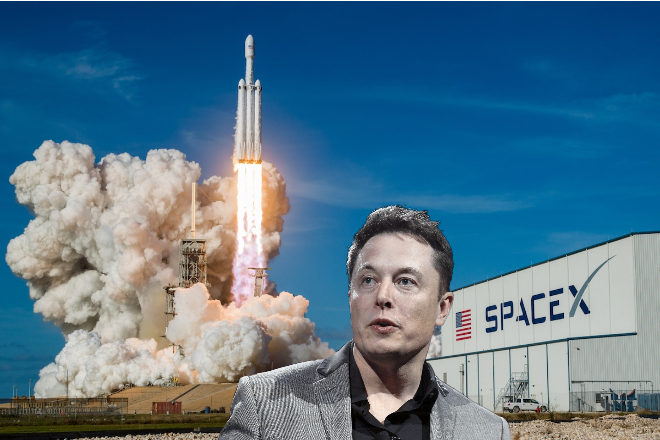
Space X, a private space company that is owned by American billionaire Elon Musk has added 60 more satellites to its goal of nearly 45,000 for a global internet network called Starlink.
Soace X what to have internet connectivity everywhere on earth. In May this year, the company launched 60 satellites that are in orbit right now and 60 more were launched to space from Cape Canaveral Air Force Station in Florida on Monday.
Liftoff! pic.twitter.com/Rz6Y4EnEnM
— SpaceX (@SpaceX) November 11, 2019
The second Starlink deployment from SpaceX’s Flacon 9 rocket (a 1.2 million-pound spacecraft) was a success.
Successful deployment of 60 Starlink satellites confirmed! pic.twitter.com/bpBqO9oYR3
— SpaceX (@SpaceX) November 11, 2019
SpaceX plans to launch monthly Starlink missions in 2020. Just last month, SpaceX applied for 30,000 more satellites, which you can add onto the 12,000 the U.S. Federal Communications Commission already approved.
Once the entire constellation is in low Earth orbit by 2027, or possibly later, it’s expected to offer high-speed internet to anywhere on Earth. Last month SpaceX CEO Elon Musk supposedly sent a tweet using the Starlink network.
Sending this tweet through space via Starlink satellite ?
— Elon Musk (@elonmusk) October 22, 2019
Whoa, it worked!!
— Elon Musk (@elonmusk) October 22, 2019
When the company launched its first set of Starlink internet satellites in May, professional astronomers worried that the super bright satellites would interfere with scientific observations and amateur appreciation of the stars.
“That first few nights, it was like, ‘Holy shit, the stars were super bright. That is a wake up call” Jonathan McDowell, an astrophysicist at the Harvard-Smithsonian Center for Astrophysics, told Space.com.
I checked in with astronomers on how those fears about megaconstellations like #Starlink were checking out. Bottom line: don't freak out too much, but LSST faces big observing challenges from satellite trails https://t.co/8GVcazSsbB
— Alexandra Witze (@alexwitze) November 11, 2019
Here is a YouTube courtesy video.
SpaceX and its leader, Elon Musk, reassured astronomers that once the satellites settled into place, they would stop masquerading as the stars they are named for.
Kenya Insights allows guest blogging, if you want to be published on Kenya’s most authoritative and accurate blog, have an expose, news TIPS, story angles, human interest stories, drop us an email on [email protected] or via Telegram









The President’s Helicopter: How Ruto’s Aviation Empire Lands a Historic Airbus Milestone While His Government Writes the Tax Code

“TikTok Who? YouTube Sorry. A Kenyan-Built Platform Just Dropped—and 20 African Ministers Showed Up To Launch It.”

Denial Under Duress: The Untold Collapse Threatening David Lagat’s DL Group’s Empire

Stung By West Africa Rejections, France Courts Rest Of Continent at Kenya Summit

THE INSURER THAT TOOK YOUR PREMIUM AND FORGOT YOUR NAME: How ICEA Lion Left a Client Begging for Sh7.8 Million Across Four Months

Safaricom’s Sh1.4 Billion Reckoning: How Kenya’s Most Profitable Company Stole a Man’s Idea and Got Caught

Bush Air Safaris Founder John Ndiritu Risks Losing Property Over Disputed Loan Claim

Bia Tosha’s Claim For Injunction Is Designed To Sabotage The Sh300bn Sale of EABL Shares

KDC Accelerates the Creative Economy, Innovation and Youth-Led Enterprise Growth at Africa Forward Summit

Luxury Play for Influence: Inside Kempinski’s High-Stakes Bet on Brazzaville

How Did a Sh468K KRA Salary Allegedly Turn Into Sh30 Billion? Questions Deepen Over Commissioner George Obel and Ciala Resort Owner’s Wealth

Nairobi Freezes Binance Accounts in Sweeping Anti-Fraud Crackdown as Global Scandal Record Haunts World’s Largest Crypto Exchange

The Man Behind the Badge: How Prof. Erastus Kanga Turned Kenya’s Premier Wildlife Agency into a Theatre of Corruption, Fear and Impunity

THE UNTOUCHABLE CLERK: How Fatuma Mwalupa Allegedly Turned Kwale Assembly Into a Personal Treasury and Outsmarted Scrutiny

THE BRAZEN RETURN: Triton Thief Yagnesh Devani, Who Pillaged Kenya of Sh7.6 Billion and Fled, Now Asks the Same Courts He Escaped to Restore His Stolen Wealth

Green Gold, Rotten Roots: How Kenya’s Biggest Avocado Firms Hijacked a Sh5.8 Billion Harvest Ban

TotalEnergies Moves to Sue TikToker for Sh10 Million Over Contaminated Fuel Claim as Kenya’s Petroleum Sector Burns

Kenyan Motorists Stare At Possible Engine Damage And Heavy Losses As Report Confirms Substandard Fuel In Circulation

Why the April 21 Flopped Protests Expose Kenya’s Rudderless Opposition

KETRACO CEO Advert Marred By Controversies As Fears Grow That Kipkemoi Kibias Is A Predetermined Candidate
-
 Investigations2 weeks ago
How Did a Sh468K KRA Salary Allegedly Turn Into Sh30 Billion? Questions Deepen Over Commissioner George Obel and Ciala Resort Owner’s Wealth
-
 Business2 weeks ago
Green Gold, Rotten Roots: How Kenya’s Biggest Avocado Firms Hijacked a Sh5.8 Billion Harvest Ban
-

 Africa1 week ago
The $24 Million Heist at the End of the World
-

 Investigations2 weeks ago
Serial Scammers Strike Again: How Kelvin ‘Sonko’ Onyango and Seth Steve Okute Built a Gold Fraud Empire on Kenya’s Reputation
-

 Business2 weeks ago
High Court to Set the Record Straight in Long-Running Bia Tosha Petition
-

 Investigations2 weeks ago
The Greek Heist: How Inform Lykos Allegedly Robbed Kenyan Taxpayers of Sh650 Million While Printing the Nation’s Exams and Ballots
-

 Investigations1 week ago
The Judge, The Disgraced Magistrate, The Auctioneer-Husband, The Fixer And The Lawyer: Anatomy Of A Sh16 Million Judicial Bribery Racket
-
 Business4 days ago
Safaricom’s Sh1.4 Billion Reckoning: How Kenya’s Most Profitable Company Stole a Man’s Idea and Got Caught