
News
World Leaders Asks IMF To Forgive Poor Countries Their Debts For Coronavirus Pandemic

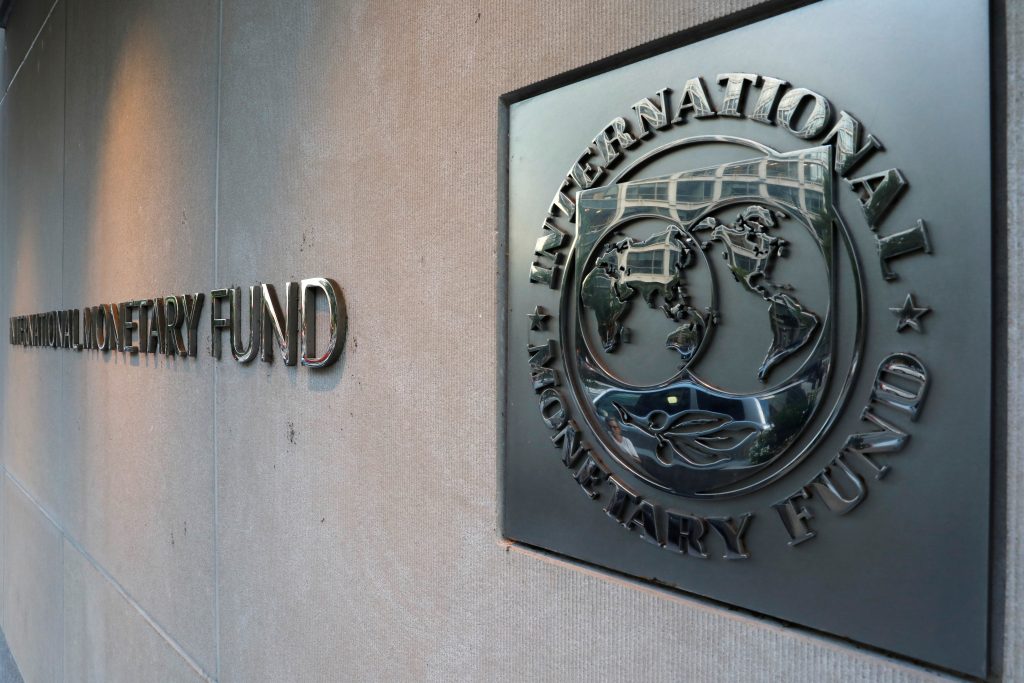
Forgiving poor countries’ debt during a pandemic sounds like the right thing to do. That’s the belief of over 300 global lawmakers, including U.S. Senator Bernie Sanders, who sent a letter to the International Monetary Fund and the World Bank on Wednesday urging them to do just that.
Emerging-market economies unquestionably suffer from too much debt. Non-developed countries’ borrowing hit a record high of almost 170% of GDP in 2018, by one World Bank measure – up 54 percentage points since 2010. That’s before the extra burden from the coronavirus. Most of it is not the cheap debt multilateral institutions provide, either.
Yet that is also why blanket forgiveness from these organizations would be counterproductive. Heavily indebted economies, often those that are managed badly, would get a larger benefit than more prudent ones – regardless of need – setting a risky precedent.
And while the IMF and World Bank have offered forgiveness on occasion in the past 20-odd years, this usually involved a multi-step process involving oversight. Simply canceling large amounts of debt provides no assurance funds would be redirected to fight Covid-19 or the economic fallout. There would be no accountability.
Moreover, the multilaterals’ member countries and investors, like World Bank bondholders, expect them to lend at interest rates that are far below market. But that’s because they are always supposed to get paid back. Wiping out debt could make their own financing more expensive, reducing lending capacity in the future.
Then there’s a geopolitical elephant in the room. If global institutions forgive debt, remaining creditors are more likely to be repaid. One big lender to many countries is China. Beijing has agreed to postpone bilateral debt payments this year, but its lending is opaque and its huge so-called Belt and Road infrastructure loans may be exempted, according to Council on Foreign Relations experts. IMF Managing Director Kristalina Georgieva and World Bank President David Malpass, a nominee of President Donald Trump, are surely alive to the politics of any move that might favor China.
The IMF reckons emerging markets may need roughly $2.5 trillion to get through the coronavirus crisis. Debt freezes, as agreed by the Group of 20 large economies, for example, make sense, on top of billions in aid. Case-specific forgiveness may also be warranted later. But widespread cancelation is, unfortunately, a bad idea.
Kenya Insights allows guest blogging, if you want to be published on Kenya’s most authoritative and accurate blog, have an expose, news TIPS, story angles, human interest stories, drop us an email on [email protected] or via Telegram


Karua Detained at Entebbe as Uganda Blocks Besigye Lawyer From Entering Country

How KCB and Airtel Turned Kenya’s Unbanked Into a Data Goldmine Behind a ‘Financial Inclusion’ Deal

The Chivayo Network: How a Convicted Fraudster Won Access to Presidents, Passports and Billion-Dollar Deals Across Africa

BURRIED TWICE: The Victoria Bank CEO Yogesh Pattni Files

Court Stops Transfer Of EABL Shares To Asahi By Diageo In A Fresh Snag

Death Before Justice: Stephen Ngei, Victim of Sh180 Million Laptop Tender Scam Linked to Allan Chesang, Killed in Highway Crash

Court Brands Sh1.1 Billion Fee Demand by Lawyer Victor Swanya “Excessive and Exorbitant,” Exposes How City Hall Lets Public Money Bleed Through Legal Bills

Trump Unveils New Air Force One

MR. NO SHOW: Finance Bill 2026 Exposes Ndindi Nyoro’s Political Conmanship

Billionaire Eric Muli Rebukes Musalia Mudavadi Over Nairobi Capital Relocation Debate

Businessman Philip Waithaka Kinuthia’s Minor Son Allegedly Drove Drunk, Killed Two Peponi Students in Ngong Road Horror Crash as Claims of Cover-Up Intensify

Inside NCBA’s Decline: How a Banking Giant Lost Its Strategic Edge

Cement, Cash and Courts: How the Hashu Dynasty Crushed the Ramji Brothers for Fourteen Years and Why the Walls Are Now Closing In

Standard Chartered Ghosts Haunt Joshua Oigara At Stanbic As Whistleblower Spills Beans

South Sudan: Adut Salva Kiir’s Shadow Treasury Exposed

Inside The Urban Planning Cartel That Owns Nairobi

THE VULTURE AND THE SCHEME How Nairobi West Hospital Became the Most Dangerous Institution in Kenya’s SHA Ecosystem and Why the Books Must Be Audited Now

How Adil Popat Saved His Empire On The Eve Of Imperial Bank Collapse and Why Kenya’s Mainstream Media Buried The Story

The President’s Daughter and The Missing Witness: How Adut Salva Kiir’s Shadow Treasury Silenced Its Most Dangerous Critic

Why John Ngumi Is Running From the EACC and Why the Sh415 Million Payday May Be the Least of His Worries
-
 News1 week ago
Businessman Philip Waithaka Kinuthia’s Minor Son Allegedly Drove Drunk, Killed Two Peponi Students in Ngong Road Horror Crash as Claims of Cover-Up Intensify
-
 Business2 weeks ago
Inside NCBA’s Decline: How a Banking Giant Lost Its Strategic Edge
-
 Business2 weeks ago
Standard Chartered Ghosts Haunt Joshua Oigara At Stanbic As Whistleblower Spills Beans
-
 Africa2 weeks ago
South Sudan: Adut Salva Kiir’s Shadow Treasury Exposed
-
 Investigations4 days ago
THE VULTURE AND THE SCHEME How Nairobi West Hospital Became the Most Dangerous Institution in Kenya’s SHA Ecosystem and Why the Books Must Be Audited Now
-
 Business2 weeks ago
How Adil Popat Saved His Empire On The Eve Of Imperial Bank Collapse and Why Kenya’s Mainstream Media Buried The Story
-
 Africa2 weeks ago
The President’s Daughter and The Missing Witness: How Adut Salva Kiir’s Shadow Treasury Silenced Its Most Dangerous Critic
-
 Business2 weeks ago
Why John Ngumi Is Running From the EACC and Why the Sh415 Million Payday May Be the Least of His Worries