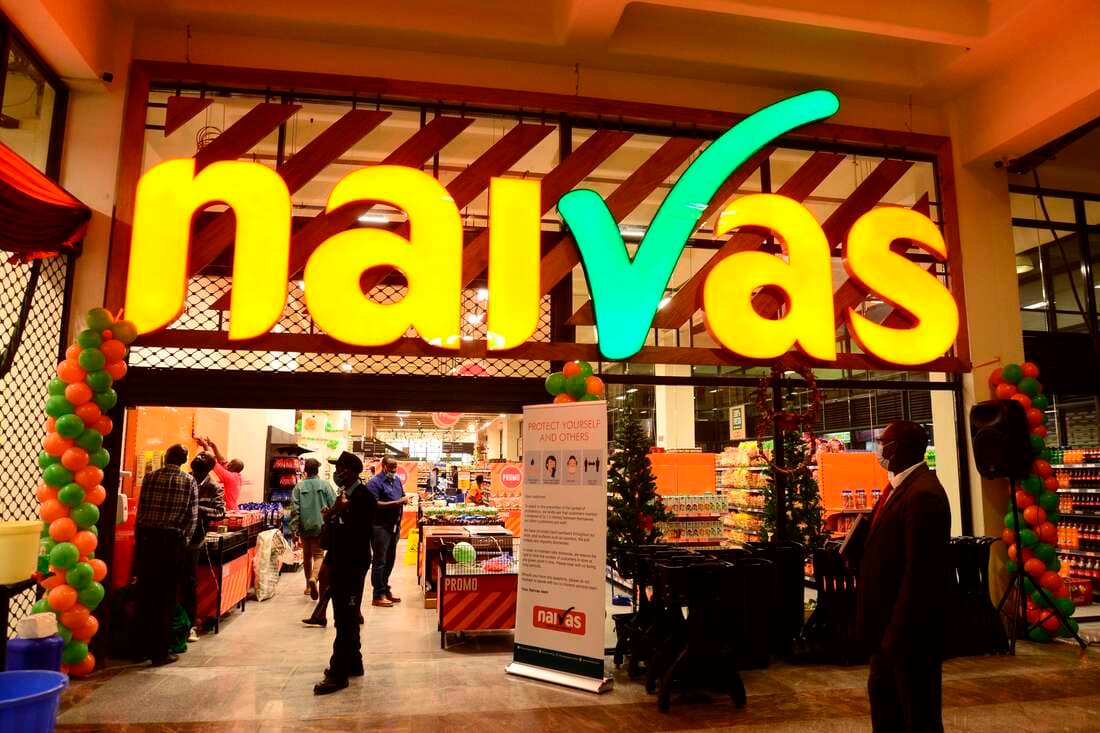
Naivas Supermarket has strongly refuted allegations of selling expired products and has implied that Nairobi County officials may be attempting to extort bribes from the retail chain under the guise of health inspections.
In a strongly-worded press release issued today in Nairobi, the supermarket chain categorically denied claims that expired products were found on their shelves during recent inspections by the Nairobi County Assembly Health Committee.
“No expired products have been found on our shelves, and we maintain stringent internal quality control and stock management systems across all our branches to ensure product safety and compliance with health regulations,” the statement read.
The controversy comes after Health Committee Chairperson Maurice Ochieng claimed that an inspection at Naivas’ Moi Avenue branch had uncovered expired products that posed health risks to consumers.
In what appears to be a direct accusation of corruption, Naivas stated: “Naivas has a very strict anti-bribery and corruption policy and will not submit to extortionary tactics.” This statement suggests the retailer believes the allegations may be motivated by attempts to solicit bribes.
The supermarket chain also clarified that contrary to rumors circulating on social media, none of its branches have been closed by any regulatory or health authority.
“All our stores remain fully operational and compliant with all national and county-level standards set by the Kenya Bureau of Standards (KEBS), the Ministry of Health, and relevant bodies,” the company affirmed.
The dispute has attracted attention from senior political figures, with Hon. Moses Kuria publicly criticizing county governments on social media: “We will not create jobs when County Governments wake up and close Naivas and Carrefour arbitrarily. You don’t attract investors by acting whimsical.”
Naivas, which has operated in Kenya for over 30 years, indicated it is seeking legal advice regarding potential action against individuals or organizations spreading what it terms “false, misleading, and potentially harmful” information about its operations.
This incident highlights ongoing tensions between businesses and county regulatory bodies in Nairobi under Governor Johnson Sakaja’s administration, with businesses increasingly vocal about what they perceive as harassment and extortion attempts disguised as regulatory enforcement.









Comments