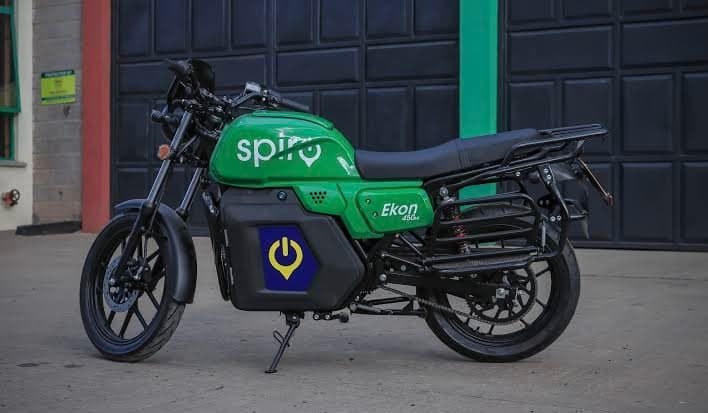
Nairobi, Kenya – December 22, 2025 – Spiro, the electric motorcycle company that has rapidly expanded across Africa, is facing a storm of controversy in Kenya.
Marketed as a green mobility solution, Spiro’s operations have drawn praise for reducing emissions but sharp criticism for alleged exploitative practices.
At the heart of the debate is its unique business model, which combines battery leasing with carbon credit trading, allowing the company to monetize environmental benefits while riders shoulder ongoing costs.
As accusations of fraud and predatory lending mount, Kenyans are urged to scrutinize the fine print before signing up.
Spiro, founded as M Auto in India in 2019 and rebranded under parent company Equitane in 2022, positions itself as Africa’s leading electric vehicle provider.
Operating in seven countries including Kenya, Benin, Togo, Rwanda, Uganda, and Nigeria, the company boasts over 22,000 electric motorbikes on the road and 1,630 battery swap stations.
In Kenya, Spiro partners with local financiers like Watu Credit, Mogo Auto, and KCB to offer bikes on credit, aiming to make eco-friendly transport accessible to boda boda riders.
The company’s “battery as a service” model is central to its operations.
Riders purchase or lease the bike frame, starting at around KSh 95,000, but do not own the battery.
Instead, they pay for swaps at Spiro stations, typically KSh 290 per swap or KSh 180 daily after an initial deposit.
This setup ensures batteries remain in circulation and under Spiro’s control, with the company handling maintenance and recycling.
Proponents argue it lowers upfront costs and promotes sustainability, with Spiro claiming to have saved 56,379 tonnes of CO2 emissions across its fleet.
But here’s the twist: Spiro isn’t just an EV company. It’s deeply involved in carbon trading.
By deploying electric bikes that replace petrol-powered ones, Spiro generates carbon credits based on avoided emissions. These credits are registered, validated, and sold on global markets, providing a key revenue stream.
In October 2025, Spiro partnered with Dutch firm Zeroca to aggregate and monetize credits from operations in Kenya and Nigeria, potentially generating millions annually.
For instance, $2.1 million from 35,000 bikes offsetting 70,000 tons of CO2.
The partnership aligns with Article 6 of the Paris Agreement, enabling international carbon transfers.
Critics, however, claim this model prioritizes carbon profits over riders. “Spiro is a carbon credit selling enterprise.
That’s why the rider can’t own the battery. Whoever owns the battery claims the carbon credits,” posted Kenyan spoken word artist Willie Oeba on X, highlighting how battery control allows Spiro to capture the environmental value.
This structure has fueled Spiro’s growth, with the company raising over $213 million in the past two years, including a landmark $100 million round in October 2025 led by Afreximbank’s FEDA fund, the largest ever in Africa’s e-mobility sector.
The funds are earmarked for expanding swap infrastructure and targeting 100,000 bikes by year-end.
Amid this expansion, allegations of predatory practices have exploded.
Popular radio presenter Rapcha The Sayantist has led the charge, calling Spiro a “criminal organisation” in a series of viral X posts that garnered thousands of likes and reposts.
He accuses the company of remotely disabling batteries if a bike is inactive for five days, due to illness, accidents, or repairs, and flagging them as “stolen,” forcing riders to tow bikes to Spiro’s Mlolongo station for reactivation.
Rapcha also claims Spiro withholds chargers in Kenya, unlike in India, creating dependency on pricey swap stations, and maintains a monopoly on spare parts sold at up to ten times market rates. “Avoid SPIRO at all costs!!! Even employed people are given leave, SPIRO is a slave plantation,” he warned.
Other voices echo these concerns.
Blogger and whistleblower Nelson Amenya alleged a shady tax deal with former Trade Cabinet Secretary Moses Kuria, where Kenyan taxpayers footed KSh 2.5 billion in import duties, enabling Spiro to undercut competitors by 30%.
In October, riders protested against financing partner Huduma Credit for allegedly collecting KSh 9,500 deposits from over 2,500 people, totaling KSh 24 million, without delivering bikes.
X user Ricardo Monteblanco described the model as “exploiting Kenyans” by deceiving riders with low deposits while leasing expensive batteries.
These claims align with broader issues in Kenya’s digital lending space, where complaints of predatory practices have surged 28%.
Partners like Mogo AutoMogo Auto face their own class-action suits for misleading loan terms and high interest rates.
Critics argue Spiro’s system traps riders in perpetual payments without full ownership, with one X user noting that after KSh 142,000 in financing costs, the battery remains leased.
Spiro has not publicly responded to these specific allegations in recent statements or on its website, which emphasizes job creation and emission reductions.
However, the company has defended its model in funding announcements, highlighting affordability and sustainability.
X user Roddie countered that the leasing approach exploits Kenya’s preference for cheap entry points, separating costly batteries from the bike sale.
Journalist Sholla Ard criticized Spiro’s handling of complaints, alleging they shared personal data without consent and rely on influencers for damage control.
As Kenya pushes for green transport, Spiro’s carbon trading ambitions could drive real environmental gains.
But for riders, the risks are clear: dependency on swaps, potential repossessions, and hidden costs.
Experts recommend alternatives like fully ownable electric bikes from other brands.
With ongoing investigations into digital lending and calls for parliamentary regulation, Kenyans are advised to read contracts carefully and report issues to the Competition Authority of Kenya.
This story draws from public records, social media, and company statements. Spiro did not respond to requests for comment by publication time.


Comments