
Business
Egyptian Investor Seeks Release of Allegedly Fraudulent Funds


An Egyptian property developer, Elsaei Waseem Ahmed Ahmed, is embroiled in a legal battle to unfreeze bank accounts that hold Sh134 million, which he claims are essential for his ongoing business operations. The funds were frozen by a Kenyan court following allegations of fraud in a housing project deal.
Ahmed has petitioned the High Court to reverse the freezing orders enacted on December 3, 2024, arguing that they violate his constitutional rights to property. He specifically requests that Diamond Trust Bank be ordered to lift the freeze on his accounts, which contain both Kenyan shillings and US dollars.
The legal action against Ahmed was initiated by Rwandese investor Jean Baptiste Uwemeye and his children, who accused Ahmed of fraudulently acquiring over USD 1 million. They sought an injunction to prevent Ahmed from using or disposing of these funds, pushing for a criminal investigation into his activities.
Ahmed defends himself by stating that the money in question has been integral to his business, used for salaries, contractor payments, and other construction-related expenses. He insists that these funds were legitimately used for developing a 150-unit apartment complex, which he says was completed, sold, and occupied long before the current dispute arose.
He argues that the Rwandese investors have misrepresented the situation, alleging that they requested additional, costly modifications post-construction, which led to delays in handing over the property. These modifications, according to Ahmed, included luxury finishes and an unauthorized bar, conflicting with local urban planning regulations.
Moreover, Ahmed claims he was not given a fair chance to defend himself before the accounts were frozen, emphasizing that the funds have been utilized for the project they were intended for. He accuses the investors of not disclosing crucial details to the court, particularly the fact that the building was completed and that he had offered alternative solutions through out-of-court discussions, suggesting they sell the property to recover their investment.
Ahmed also highlights that the investors’ claims do not consider the additional expenses he incurred due to their specific demands, which have not been reimbursed. He warns that continuing the freeze on his accounts would not only cripple his business but also adversely affect his employees and other clients dependent on his company’s services.
The case continues to unfold, with Ahmed seeking to prove the legitimacy of his use of the funds and the Rwandese investors intent on reclaiming what they allege is money lost to fraud.
Kenya Insights allows guest blogging, if you want to be published on Kenya’s most authoritative and accurate blog, have an expose, news TIPS, story angles, human interest stories, drop us an email on [email protected] or via Telegram


Yet Another Blow for Bia Tosha as Court Rejects Bid to Halt Diageo–Asahi Transaction

US to Slash Number of African Embassies Processing Visas from 50 to 20, Kenya Remains a Key Hub

Trump Picks Veteran Crisis Diplomat Henry Wooster as New U.S. Ambassador to Kenya

Former Catholic Priest Arrested Over Alleged Treasonous Social Media Posts

Hundreds Protest Against Planned US Ebola Quarantine Facility in Kenya

President Ruto Defends Laikipia Ebola Quarantine Centre, Tells Critics to ‘Relax’

“Raila Died Walking, He Didn’t Collapse,” Maurice Ogeta Breaks Silence On His Boss’ Final Moments

Bolt Denies Viral Exit Claims, Says Kenya Operations Remain Fully Active

Secret Trident Meetings, Claims of Millions Exchanged: Fresh Questions Raised Over PCF Boss Mohammed Sahal’s Role in Insurance Battle

The Kamukunji Cash Pit: Ghost School, Phantom Audit Trails and NG-CDF Manager Who Refuses to Leave

Why Ruto’s Favourite Candidate Adan Mohammed Could Be Locked Out of the KRA Top Job

Este Medical Kenya Fights American’s Explosive Complaints

Safaricom’s Sh1.4 Billion Reckoning: How Kenya’s Most Profitable Company Stole a Man’s Idea and Got Caught

LifeCare on the Brink: SHA Fraud, Stolen Wages, and the Rotten Empire Jayesh Saini Built

The Rot Inside Absa: How Bank Insiders Are Looting Nairobi’s Customers

The $24 Million Heist at the End of the World

Denial Under Duress: The Untold Collapse Threatening David Lagat’s DL Group’s Empire

THE INSURER THAT TOOK YOUR PREMIUM AND FORGOT YOUR NAME: How ICEA Lion Left a Client Begging for Sh7.8 Million Across Four Months

Court Confirms Safaricom Customers Data Was Sold To Betting Companies In Seven-Year Cover-Up

Eight Students Arrested In Kenya After Suspected Deadly School Arson Attack
-
 News1 week ago
Este Medical Kenya Fights American’s Explosive Complaints
-
 Investigations1 week ago
LifeCare on the Brink: SHA Fraud, Stolen Wages, and the Rotten Empire Jayesh Saini Built
-
 News4 days ago
Eight Students Arrested In Kenya After Suspected Deadly School Arson Attack
-
 Americas1 week ago
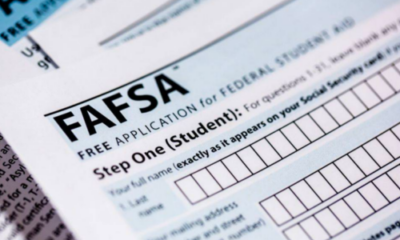
Inside FAFSA Fraud: How Kenyan Cybercriminals Siphoned Millions from America’s Sh12 Billion Student Loan System
-

 Investigations1 week ago
LSK On The Spot For Renewing Rogue Lawyer Dennis Onyango’s Licence Despite Mounting Evidence He Held Foreign Investors’ Millions Hostage
-

 Investigations2 days ago
Betika Faces DCI Probe, Directors Arrest and License Revocation Over Massive 29.5 Million Safaricom Customers’ Data Breach
-
 News3 days ago
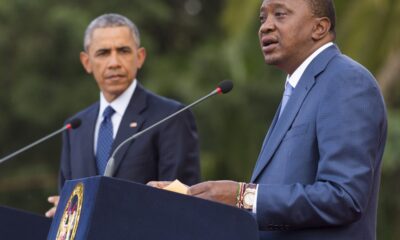
How Uhuru’s Deal With Obama In 2015 Paved Way For America’s Ebola Plan In Kenya
-

 Investigations3 days ago
29.5 Million Safaricom Customers’ Data Breach Lands Odibets Boss Andrew Aligula In Police Custody, Firm Now Operating On A Thin Line Of Court Order