
Business
Airtel Owner Is Considering Exiting Kenyan Market

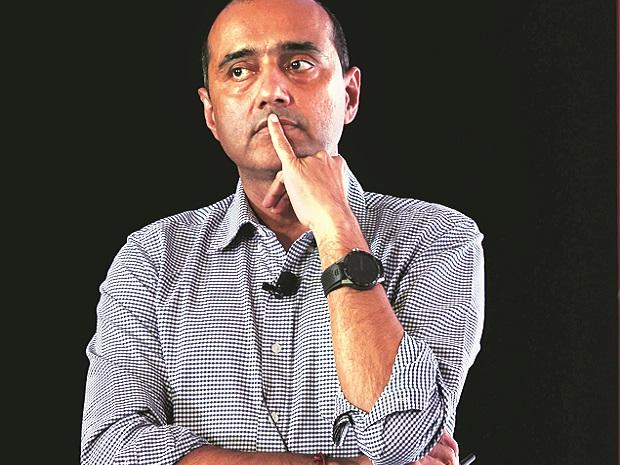
Bharti Airtel CEO Gopal Vittal has summoned his right-hand man in Africa Raghunath Mandava to weigh up the worth of his Kenyan business according to information availed to Kenya Insights.
This follows Nairobi’s request the company give up 30% of its capital to Kenyan businesses by 2024.
Nairobi’s announcement on 9 April that all foreign operators would have to open up 30% of their capital to Kenyan businesses by 2024 has shaken Bharti Airtel’s leadership. With the Indian telecoms major’s attempt to convince telecomms minister Joe Mucheru to delay that date until 2026 having fallen upon deaf ears.
CEO Gopal Vittal has summonned his representative in Kenya Prasanta Das Sarma and the head of the company’s Africa division Raghunath Mandava, also based in Nairobi, to study the possibility of closing down the shops.
According to National Information Communication and Technology Public Policy Guidelines of 2020, ICT companies from abroad will now give Kenyans a 30 percent stake to be considered Kenyan.
The international companies with an interest in the Kenyan market will have to give the 30% stake to be considered as Kenyan companies in a push for a local stake as a requirement to obtain licenses in the country. Companies were given 3 years to comply with the local ownership regulations. The time frame was a subject to a one-year extension by the ICT Cabinet Secretary upon request.
“It is the policy that only companies with at least 30 percent substantive Kenyan ownership, either corporate or individual, will be licensed to provide ICT services. For purposes of this rule, ICT companies without a majority Kenyan ownership will not be considered Kenyan, and may thus not be calculated as part of the 30 percent Kenyan ownership calculus,” reads the policy in a recent Gazette Notice.
The regulation is part of a government effort to grow the ICT Sector in Kenya by encouraging equity participation among Kenyans.
Listed companies will conform to the equity participation rule ‘to the extant rules of the Capital Markets Authority’.
The new law also requires that the government ICT procurement processes will give preference to local ICT companies in the award of tenders, including in sectors like security and defense. Further, where local businesses cannot fulfill tender requirements, foreign companies will have to transfer skills to local firms.
“Kenyan built solutions will be preferred over any other solution; where there are no local businesses that meet the tender requirements, skills transfer to local firms and personnel will be a mandatory requirement,” continues the Gazette Notice.
Kenya Insights allows guest blogging, if you want to be published on Kenya’s most authoritative and accurate blog, have an expose, news TIPS, story angles, human interest stories, drop us an email on [email protected] or via Telegram


Winnie Odinga, Oketch Salah Clash Over Raila’s Last Moments

SCANDAL: 20 Kenyan Athletes Found Guilty of Age Cheating

Details of Ida Odinga’s Job at UNEP

How Rogue Hospitals Siphoned Sh11 Billion From SHA in Massive Healthcare Heist

Norway Police File Charges Over Suspected Oil Bribery in Congo Republic

Paul Ndung’u Sues SportPesa for Sh348 Million in UK Court, Accuses Safaricom Boss of Sh2.3 Billion Conspiracy

Katwa Kigen, Chacha Mwita and Issack Hassan Named Among 15 Court of Appeal Judges Appointed by Ruto-Full List

Breaking: Chief, Teacher Killed in Suspected Al-Shabaab Attack in Garissa

CS Julius Ogamba Threatens to Sack Principals Over Grade 10 Admission

Ida Odinga Accepts Ruto’s UN Top Job

Billions Stolen, Millions Laundered: How Minnesota’s COVID Fraud Exposed Cracks in Somali Remittance Networks

US Moves to Seize Luxury Kenya Properties in Sh39 Billion Covid Fraud Scandal

Julius Mwale Throws Contractor Under the Bus in Court Amid Mounting Pressure From Indebted Partners

Pastor James Irungu Collapses After 79 Hours Into 80-Hour Tree-Hugging Challenge, Rushed to Hospital

MAINGA CLINGS TO POWER: Kenya Railways Boss Defies Tenure Expiry Amid Corruption Storm and Court Battles

Eastleigh Businessman Accused of Sh296 Million Theft, Money Laundering Scandal

Inside Nairobi Firm Used To Launder Millions From Minnesota Sh39 Billion Fraud

Unfit for Office: The Damning Case Against NCA Boss Maurice Akech as Bodies Pile Up

Most Safaricom Customers Feel They’re Being Conned By Their Billing System

Tax Payers Could Lose Millions in KWS Sh710 Insurance Tender Scam As Rot in The Agency Gets Exposed Further
-

 Business1 week ago
betPawa Empire Crumbles: Mr Eazi’s Betting Gambit Unravels Amid Partner’s Shadowy Deals
-

 News5 days ago
DCI Probes Meridian Equator Hospital After Botched Procedure That Killed a Lawyer
-

 Business4 days ago
Minnesota Fraud, Rice Saga, Medical Equipment Deal: Why BBS Mall Owner Abdiweli Hassan is Becoming The Face of Controversial Somali Businessman in Nairobi
-

 Business1 week ago
KRA Boss Humphrey Watanga In Big Trouble In Sh5.5 Billion Rice Import Scandal
-

 Investigations2 weeks ago
KERRA Homa Bay Region Manager Calvince Thomas Accused of Swindling Businessman Ksh 2 Million in Phantom Tender Deal
-

 Business1 week ago
State Set to Demolish Pastor Ng’ang’a’s Church in Sh28 Billion Railway City Push
-

 Business6 days ago
Controversial Turkish Firm Celebi Canceled in India Over Security Concerns Acquires Strategic Property in Nairobi’s Main Airport
-

 Business2 weeks ago
Treasury’s Sh40 Billion Safaricom Gamble Could Cost Kenya Trillions, Auditor Warns