
Reviews
What Is Flight Turbulence And Why Does It Happen?

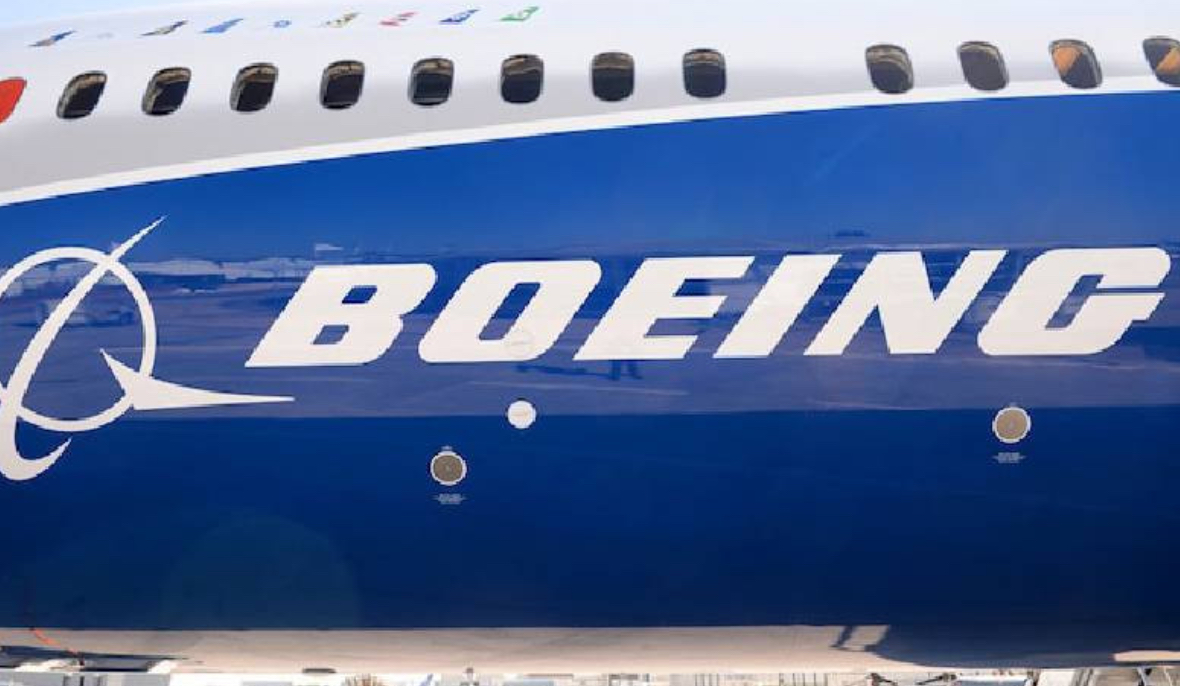
Airplane turbulence, which led to the death of a passenger on a Singapore Airlines flight on Tuesday, is a complex phenomenon that is becoming increasingly common due to climate change, according to experts.
Storms, cold and warm fronts, and the movement of air around mountains can all cause turbulence in the air that planes fly through.
Turbulence can also occur in jet streams —highways of strong wind that circulate around the globe at certain latitudes.
“While meteorologists have excellent tools to forecast turbulence, they are not perfect,” said Thomas Guinn, professor in the aviation department at the Embry-Riddle Aeronautical University in Florida.
He added that airplane passengers should make sure they are wearing seat belts, which makes injuries far less likely.
Initial reports suggest the Singapore Airlines flight, in which more than 70 passengers were injured, may have hit clear-air turbulence, “which is the most dangerous type of turbulence,” according to the Association of Flight Attendants.
Clear-air turbulence is defined by the Federal Aviation Administration as “sudden severe turbulence occurring in cloudless regions that causes violent buffeting of aircraft.”
It is “especially troublesome because it is often encountered unexpectedly and frequently without visual clues to warn pilots of the hazard,” the FAA says in a document on its website.
The agency says clear-air turbulence is typically found close to jet streams and associated with wind shear — sudden changes in the speed or direction of the wind.
Turbulence continues to be a major cause of accidents and injuries despite a steady improvement in aviation accident rates, according to a 2021 report by the US National Transportation Safety Board.
But deaths linked to turbulence on commercial flights are “very rare,” said Dr Paul Williams, professor of atmospheric science at the University of Reading.
“As far as I am aware there has not been a turbulence fatality on a commercial flight since 2009,” Williams said in a statement shared with AFP.
Williams said that climate change is increasing the frequency of airplane turbulence.
“For clear-air turbulence, climate change is increasing the temperature difference across the jet stream between the cold poles and the warm tropics,” he said.
“The tropics are warming faster than the poles at flight cruising altitudes. This effect is increasing wind shear in the jet stream, which is generating more turbulence,” Williams said.
Kenya Insights allows guest blogging, if you want to be published on Kenya’s most authoritative and accurate blog, have an expose, news TIPS, story angles, human interest stories, drop us an email on [email protected] or via Telegram


Popular Luo TikToker MC Adek Tatu Arrested Over Tribal Remarks Following Utumishi Girls Tragedy

Italy Bans Kanye West, Travis Scott Concerts Over Security Concerns

OdiBets Faces Investigation After 29.5 Million Safaricom Customers’ Data Breach, Risks Losing License

Omtatah Seeks Removal of Three Appeal Judges Over Kenya-US Health Deal Ruling

Blue Origin Rocket Explodes On Launchpad In A Setback For Bid To Catch Musk’s SpaceX

Two Teachers Knew Of Planned Utumishi Girls Dormitory Fire But Failed To Act

Eight Students Arrested In Kenya After Suspected Deadly School Arson Attack

Kenyan Court Orders Suspension Of US Plan For Ebola Quarantine Facility

Mohan Galot’s Empire Faces Collapse As Court Reinstates Sh3 Billion Demand

From Hunger Cartel To Oil Docket: The Troubling Rehabilitation Of Kello Harsama

Why Ruto’s Favourite Candidate Adan Mohammed Could Be Locked Out of the KRA Top Job

Green Gold, Rotten Roots: How Kenya’s Biggest Avocado Firms Hijacked a Sh5.8 Billion Harvest Ban

Safaricom’s Sh1.4 Billion Reckoning: How Kenya’s Most Profitable Company Stole a Man’s Idea and Got Caught

The Rot Inside Absa: How Bank Insiders Are Looting Nairobi’s Customers

The $24 Million Heist at the End of the World

Denial Under Duress: The Untold Collapse Threatening David Lagat’s DL Group’s Empire

THE INSURER THAT TOOK YOUR PREMIUM AND FORGOT YOUR NAME: How ICEA Lion Left a Client Begging for Sh7.8 Million Across Four Months

LifeCare on the Brink: SHA Fraud, Stolen Wages, and the Rotten Empire Jayesh Saini Built

The President’s Helicopter: How Ruto’s Aviation Empire Lands a Historic Airbus Milestone While His Government Writes the Tax Code

Court Confirms Safaricom Customers Data Was Sold To Betting Companies In Seven-Year Cover-Up
-
 News2 weeks ago
Why Ruto’s Favourite Candidate Adan Mohammed Could Be Locked Out of the KRA Top Job
-
 Investigations5 days ago
LifeCare on the Brink: SHA Fraud, Stolen Wages, and the Rotten Empire Jayesh Saini Built
-
 Business2 weeks ago
Court Confirms Safaricom Customers Data Was Sold To Betting Companies In Seven-Year Cover-Up
-
 Americas5 days ago
Inside FAFSA Fraud: How Kenyan Cybercriminals Siphoned Millions from America’s Sh12 Billion Student Loan System
-
 Investigations2 days ago
Mohan Galot’s Empire Faces Collapse As Court Reinstates Sh3 Billion Demand
-
 News2 days ago
Eight Students Arrested In Kenya After Suspected Deadly School Arson Attack
-

 Business2 weeks ago
Blocked: How Mombasa Tycoon Ashok Doshi Has Stopped Imperial Bank Depositors From Getting Their Money
-
 Investigations6 days ago
LSK On The Spot For Renewing Rogue Lawyer Dennis Onyango’s Licence Despite Mounting Evidence He Held Foreign Investors’ Millions Hostage