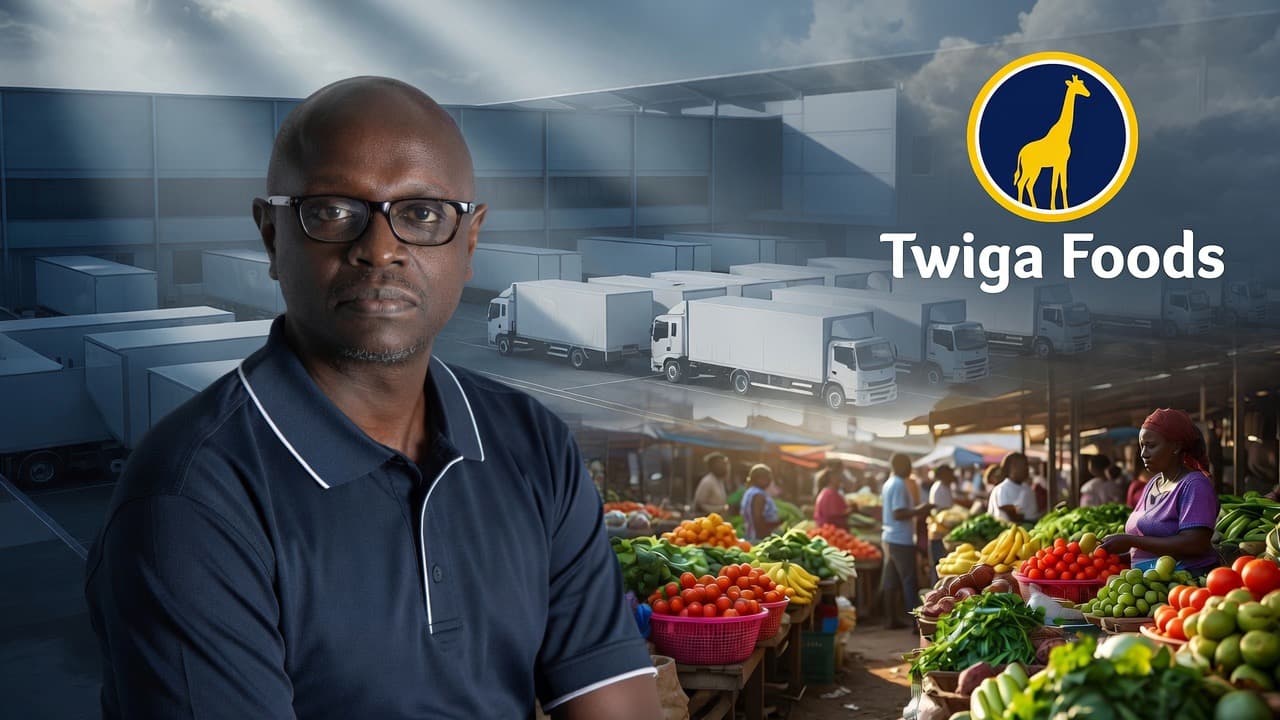
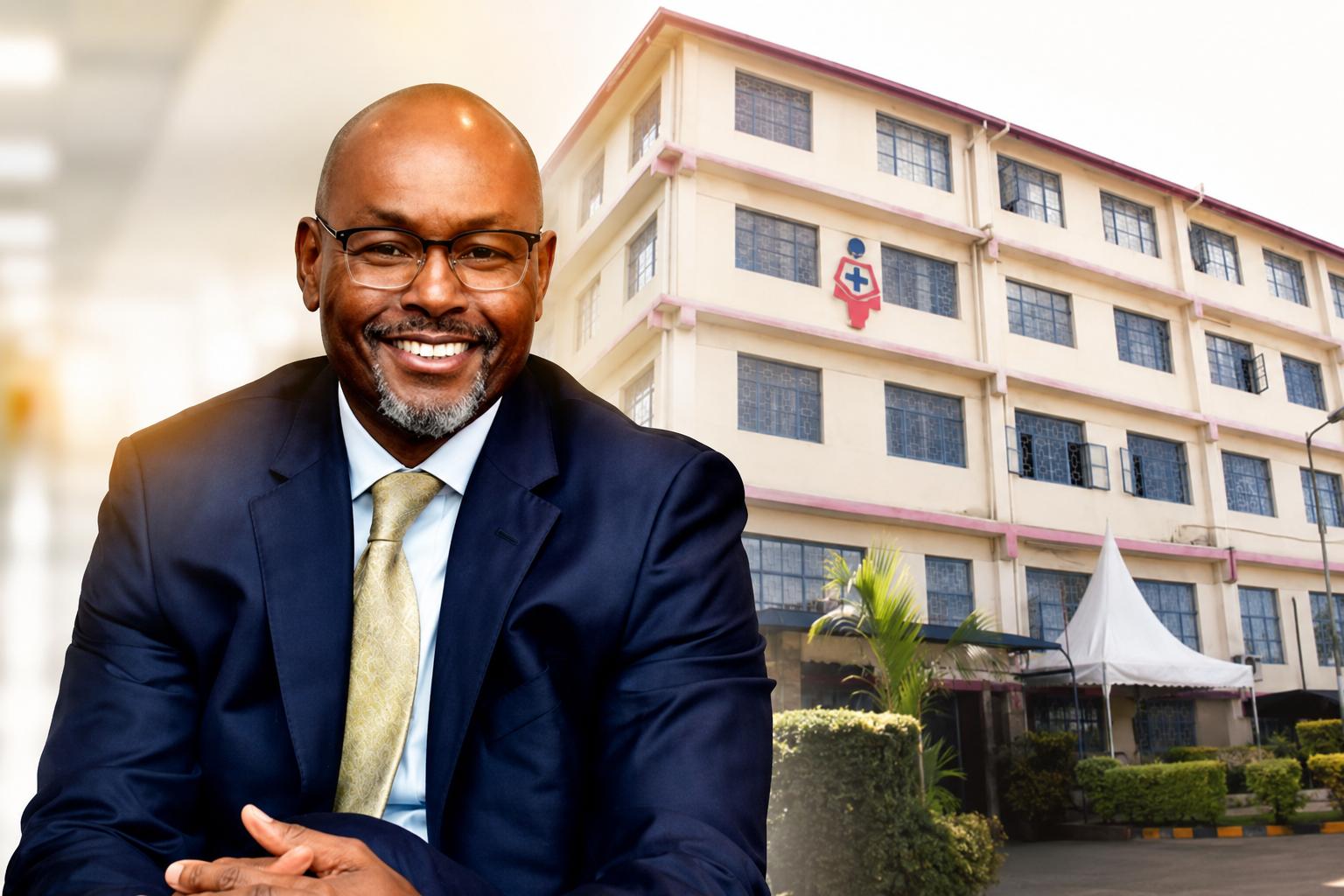
For a decade Peter Njonjo was sold to investors and to State House as the man who would drag Kenya’s informal food economy into the twenty first century. The record now shows a different story: a Coca Cola executive who used a start up’s social mission as leverage to extract state land, state credit and state cover, before handing a hollowed out company to foreign creditors and walking away with a 20,000 acre irrigation concession registered quietly in his own name.
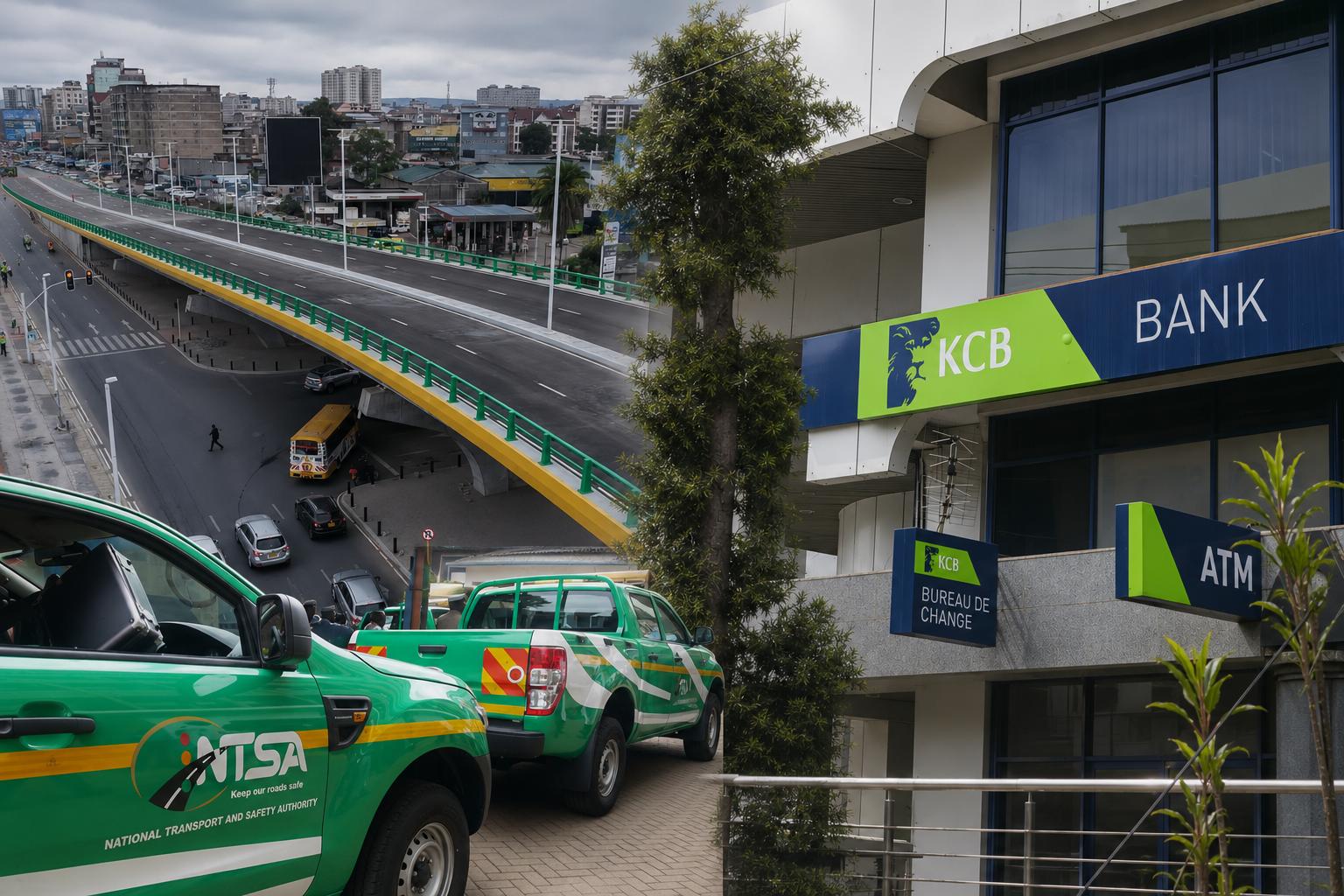
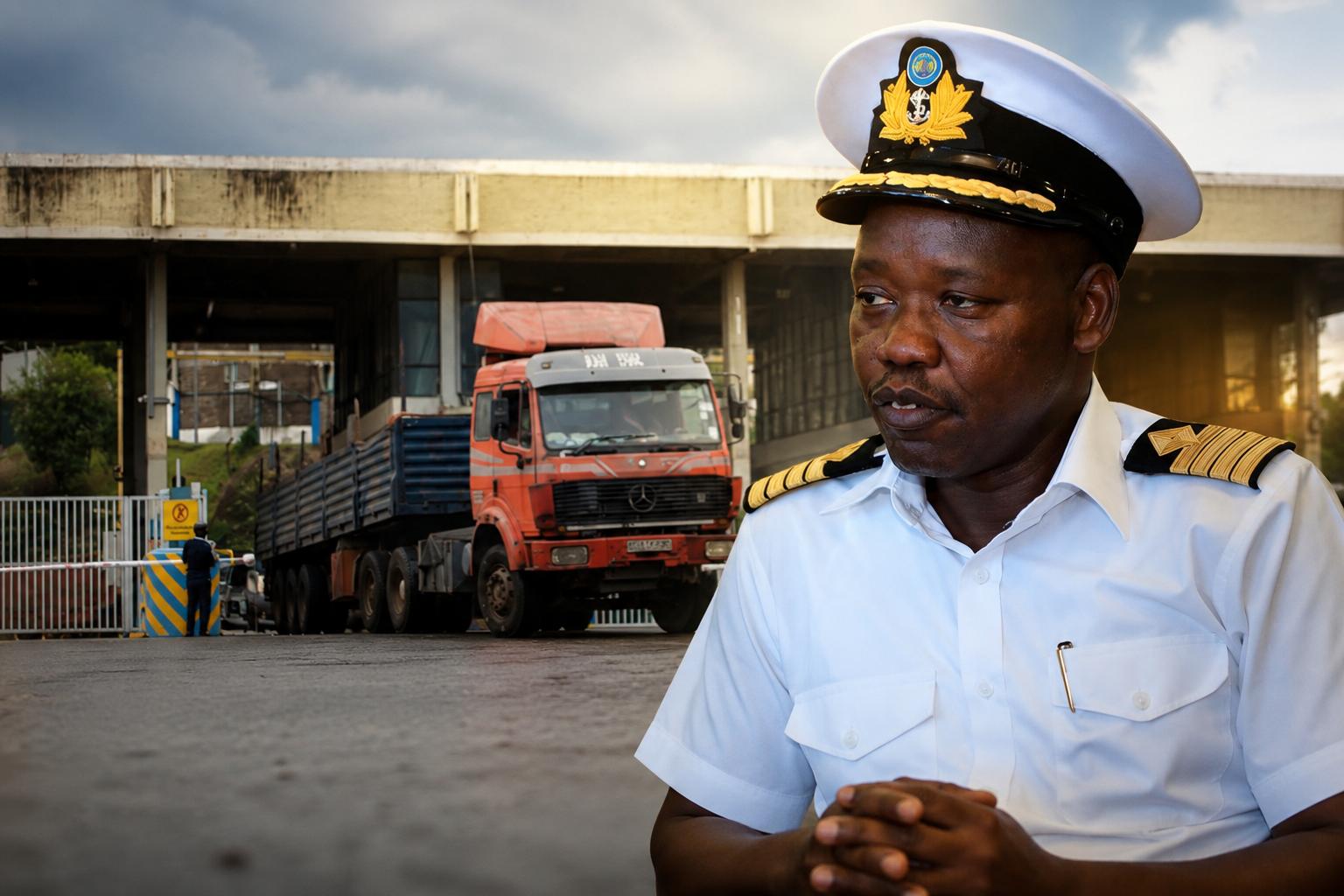
A contract meant to widen 1.4 kilometres of tarmac inside the Port of Mombasa has ballooned into one of the costliest road jobs ever signed by a Kenyan state agency, with taxpayers funding air-conditioned engineer suites, fleets of diesel 4WDs, twenty Android handsets and a Sh1.89 billion contingency cushion that a commercial lawyer says was built to hide human intervention. At the centre of it sits Managing Director Captain William Ruto, a man already facing a Sh31.2 billion procurement petition and questions from Parliament over a separate Sh1.9 billion discrepancy.
A road agency that has paid out billions for its own contractual sins, run for seven months by a man the High Court had just convicted of contempt, handed a Sh3 billion tarmac contract to an outfit with no comparable highway pedigree on the strength of a Chinese contractor’s name it stole and a stamp it forged. The whistleblower told them in March. They waited until a judge was watching in May.
A whistleblower dossier now in the hands of investigators in Tanzania and the Democratic Republic of Congo lays bare how East Africa’s biggest betting platform allegedly built a continent-wide financial crime operation from Nairobi’s Parklands. Investigations are active. The right of reply was sent. The silence that followed spoke louder than any denial could.
For a decade Peter Njonjo was sold to investors and to State House as the man who would drag Kenya’s informal food economy into the twenty first century. The record now shows a different story: a Coca Cola executive who used a start up’s social mission as leverage to extract state land, state credit and state cover, before handing a hollowed out company to foreign creditors and walking away with a 20,000 acre irrigation concession registered quietly in his own name.